Most meetings are mundane affairs, focused on routine tasks and conversations. The meeting between Nzinga Mbande and the Portuguese governor in 1622 was anything but ordinary.
The Political Chessboard of Central Africa
In the early 17th century, Central Africa was a hotbed of political intrigue. The Kingdom of Ndongo, located in what is now Angola, found itself at the center of a geopolitical tug-of-war. The Portuguese, eager to expand their territories and influence along the African coast, eyed Ndongo as a crucial link in their growing empire. For the people of Ndongo and its then-embattled king, these were precarious times. The kingdom was caught between asserting its sovereignty and navigating the imminent threat of colonial expansion.
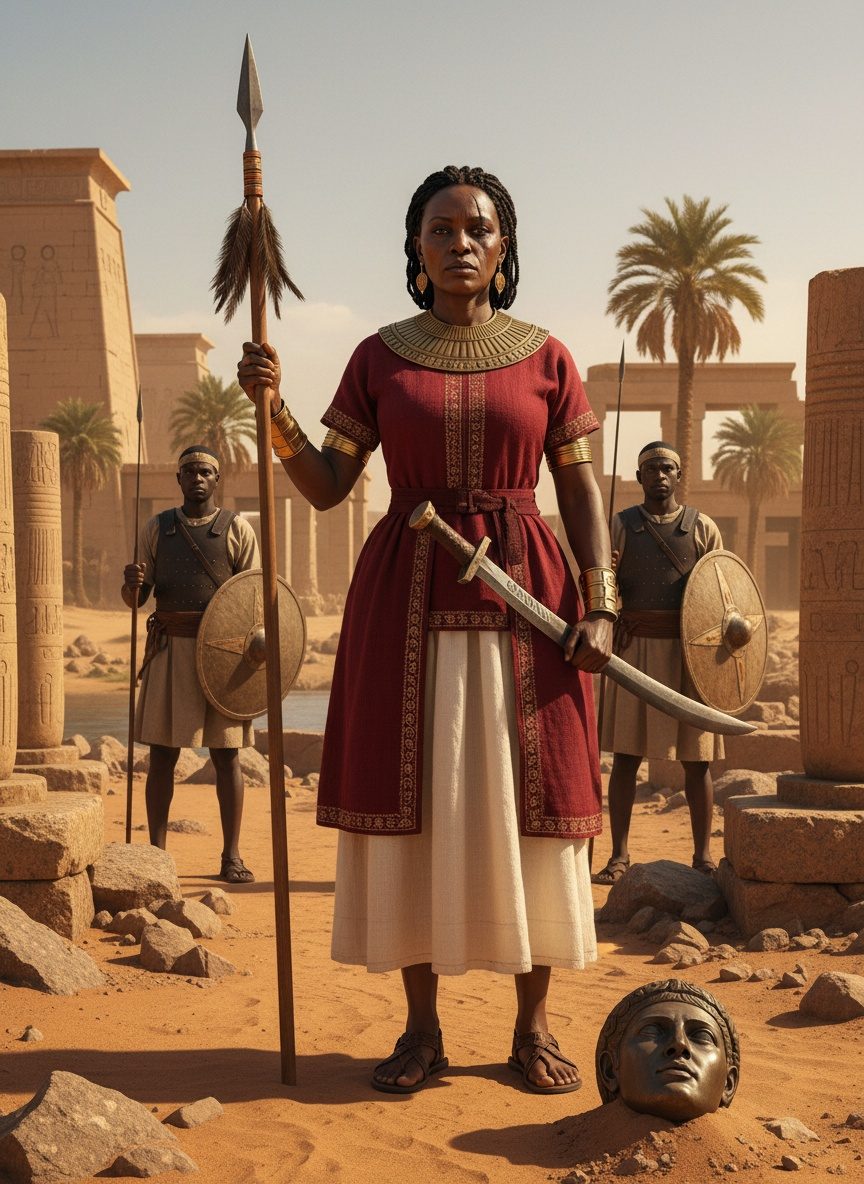
Amidst this backdrop, a formidable figure emerged: Nzinga Mbande. Renowned for her astute political mind and indomitable spirit, Nzinga was a daughter of the ruling family of Ndongo. Unlike the male envoys who traditionally represented royal interests, Nzinga was chosen for a task that would require not just negotiation but a great show of strength.
Setting the Stage for Defiance
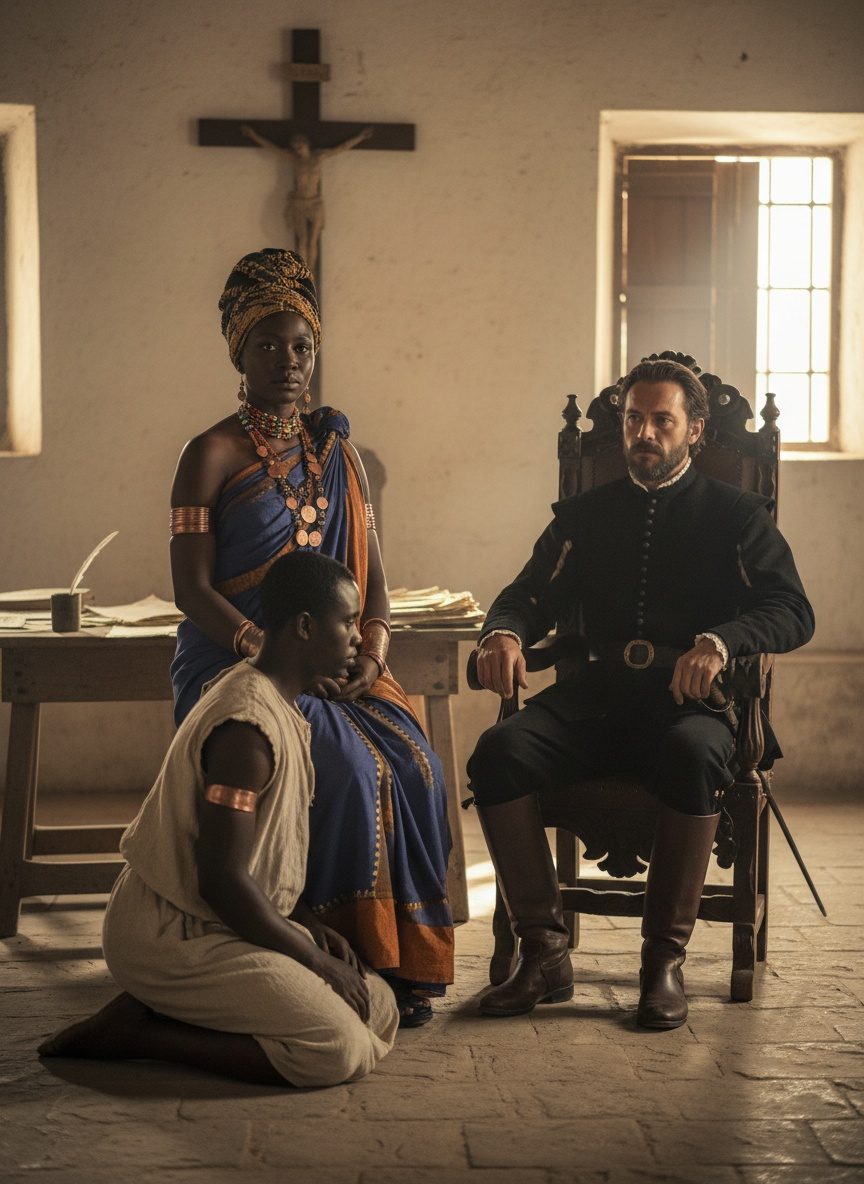
The audience chamber was set with care, though not in favor of its visitor. The Portuguese governor had meticulously arranged it to assert dominance, prominently displaying the luxurious trappings of European power. Conspicuously, there was no chair for Nzinga. The only offering was a simple floor mat, signaling that she was expected to kneel in submission.
This strategic slight was more than just a breach of etiquette. It was an attempt to dictate the terms of engagement, to establish a hierarchy where the European authority stood above an African queen. But Nzinga was not one to cower. She had inherited the legacy of warrior leaders and was determined to resist being belittled.
The Moment That Echoed Through History
Nzinga walked into that room with purpose, and upon seeing the deliberate absence of a seat, she responded without missing a beat. Commanding one of her attendants, she transformed the situation. The attendant knelt on the floor, and Nzinga gracefully sat on his back. It was a move of tactical genius, turning an instrument of humiliation into a platform of poise and pride.
This act was more than a response to an insult; it was a declaration. Nzinga demonstrated that power is not a seat to be given, but a presence to be commanded. She conducted her negotiations with the full bearing of a sovereign leader, refusing to be seen as anything less than an equal to her European counterpart. The governor was faced with a reality he had not anticipated: he was dealing with a leader whose command over her own identity was unyielding.
Negotiation and the Balance of Power
The discussions that followed were not merely about trade or alliances but represented the broader battle for autonomy and respect. Nzinga’s actions in the room challenged the ingrained colonial mindset which saw African kingdoms as subordinate players in their own lands. Through fierce negotiations, Nzinga secured better terms for Ndongo, compelling the Portuguese to recognize her authority and the sovereignty of her people. This meeting, immortalized in the annals of diplomatic lore, demonstrated Nzinga’s shrewdness and her ability to leverage symbolism for political gain.
Nzinga’s efforts did not end in that chamber. Her legacy as a fierce protector of her people’s rights extended well beyond that meeting. She became a queen who would defend her kingdom against foreign intrusions for decades, even relocating her people strategically to continue this resistance when faced with overwhelming odds.
The Reverberating Significance of a Seatless Room
Nzinga Mbande's encounter with the Portuguese governor is a testament to the strength and resilience inherent in leadership. Her story has transcended the centuries, reflecting the power of dignity and self-determination. It serves as a powerful reminder that history's most profound moments are often defined not by grand warfare but by the subtle art of resistance and redefinition of terms.
In the modern world, Nzinga’s story resonates as an emblem of empowerment. It there shines a light on the countless untold stories of those who faced inequity with grace and tenacity. Her life encourages a reflection on how individual acts of courage can change the dynamics of power, influence history, and inspire future generations.