Picture this: the year is 546 BC, and the most powerful empire on Earth is crumbling. Not from war, not from plague, not from economic collapse—but because its king has gone missing. For a decade, the throne of Babylon sits empty while somewhere in the scorching Arabian desert, the most powerful man in the world kneels in the sand with a brush in his hand, carefully excavating pottery shards that are already a thousand years old.
Meet Nabonidus, the last king of Babylon—and history's first archaeologist. While his empire stretched from the Persian Gulf to the Mediterranean, while his armies awaited orders and his people cried out for leadership, this obsessed ruler was living his best life as a ancient artifact hunter. His decade-long archaeological adventure would cost him everything: his kingdom, his legacy, and ultimately, his place in history.
The Scholar Who Never Wanted to Be King
Nabonidus wasn't supposed to rule anything. Born around 620 BC, he was a scholar and a priest, a man more comfortable with ancient texts than battle plans. But in 556 BC, palace intrigue and political maneuvering thrust him onto the throne of the Neo-Babylonian Empire at the age of roughly 60. Imagine being handed the keys to the ancient world's greatest superpower when all you really wanted to do was read old books.
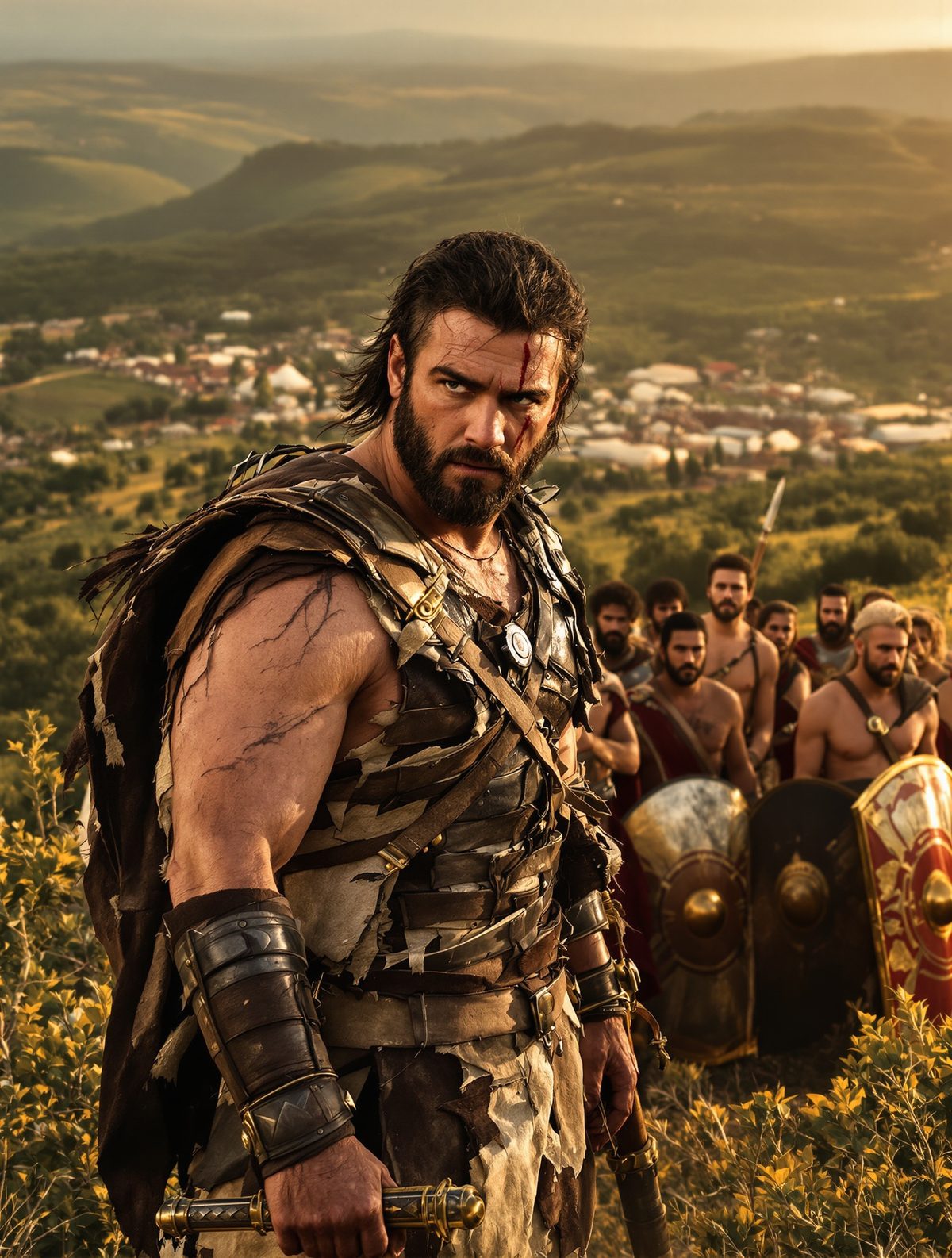
From day one, Nabonidus was a fish out of water. The Babylonian court expected a warrior-king in the mold of Nebuchadnezzar II, who had built the Hanging Gardens and conquered Jerusalem. Instead, they got a bookish antiquarian who spent his coronation ceremony talking about really interesting foundation stones he'd discovered in old temples.
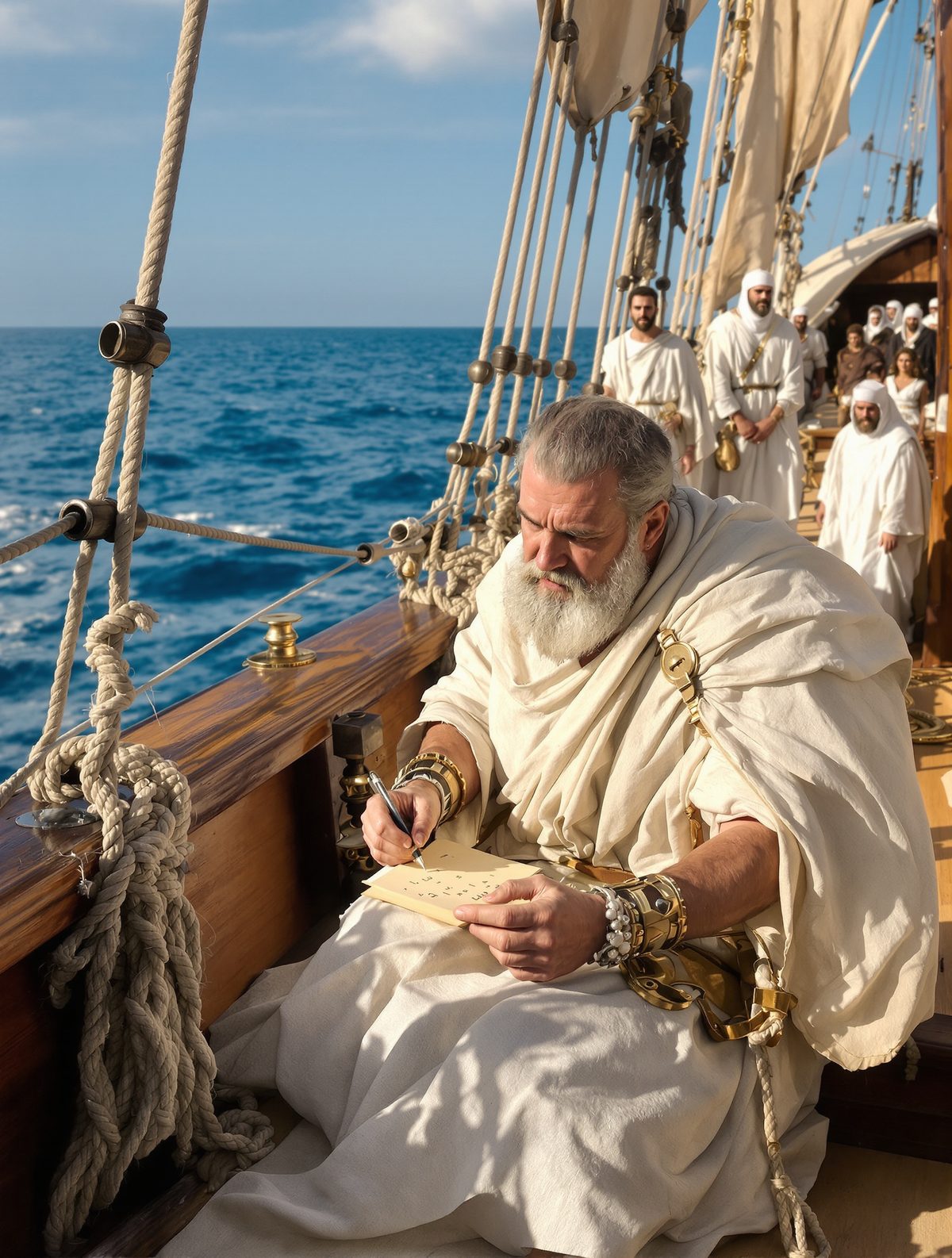
But here's what makes Nabonidus fascinating: he didn't just collect artifacts—he studied them scientifically. He recorded where he found objects, noted their historical context, and even attempted to date them. In clay cylinders that survive today, we can read his detailed accounts of excavations, complete with measurements and observations. He was doing archaeology 2,500 years before Howard Carter found King Tut's tomb.
The King Who Ghosted His Own Empire
Around 553 BC, just three years into his reign, Nabonidus did something unprecedented in the ancient world: he left. Not for a military campaign, not for a diplomatic mission, but for what can only be described as the world's first archaeological expedition. He handed the day-to-day running of the empire to his son Belshazzar (yes, that Belshazzar from the biblical "writing on the wall" story) and headed south into the Arabian Peninsula.
His destination was Tayma, an oasis town in what is now Saudi Arabia, roughly 500 miles southeast of Babylon. But this wasn't some primitive outpost—Tayma was a crucial stop on the incense trade route, and more importantly for Nabonidus, it was old. Really old. The town had been inhabited for over a thousand years, and its ancient temples called to him like sirens.
For ten years—let that sink in, ten years—the king of the world's greatest empire lived in tents and mud-brick houses, leading excavations and conducting what we would recognize today as legitimate archaeological research. He restored ancient temples, not to curry favor with gods or intimidate enemies, but because he genuinely believed these monuments deserved preservation.
The Madness of King Nabonidus
Back in Babylon, the situation was deteriorating rapidly. The Babylonians were not amused by their absent king. Religious festivals that required the king's presence were cancelled year after year. The powerful priests of Marduk, Babylon's patron deity, were particularly incensed—especially since Nabonidus had developed an obsession with the moon god Sin, whose ancient temples he was busily restoring in the desert.
Contemporary sources paint a picture of a kingdom in crisis. Trade suffered without royal oversight. The military grew restless. Provincial governors began making independent decisions. And all the while, messenger after messenger rode south into the desert, carrying increasingly desperate pleas for the king to return to his capital.
But Nabonidus was having the time of his life. His inscriptions from this period read like the excited journal entries of a man who has found his true calling. He describes uncovering foundation stones laid by kings whose names had been forgotten for centuries. He writes with genuine wonder about artifacts that revealed details of religious practices from the deep past. One cylinder records his joy at discovering an inscription by Naram-Sin, a ruler who had lived 1,500 years before Nabonidus was born.
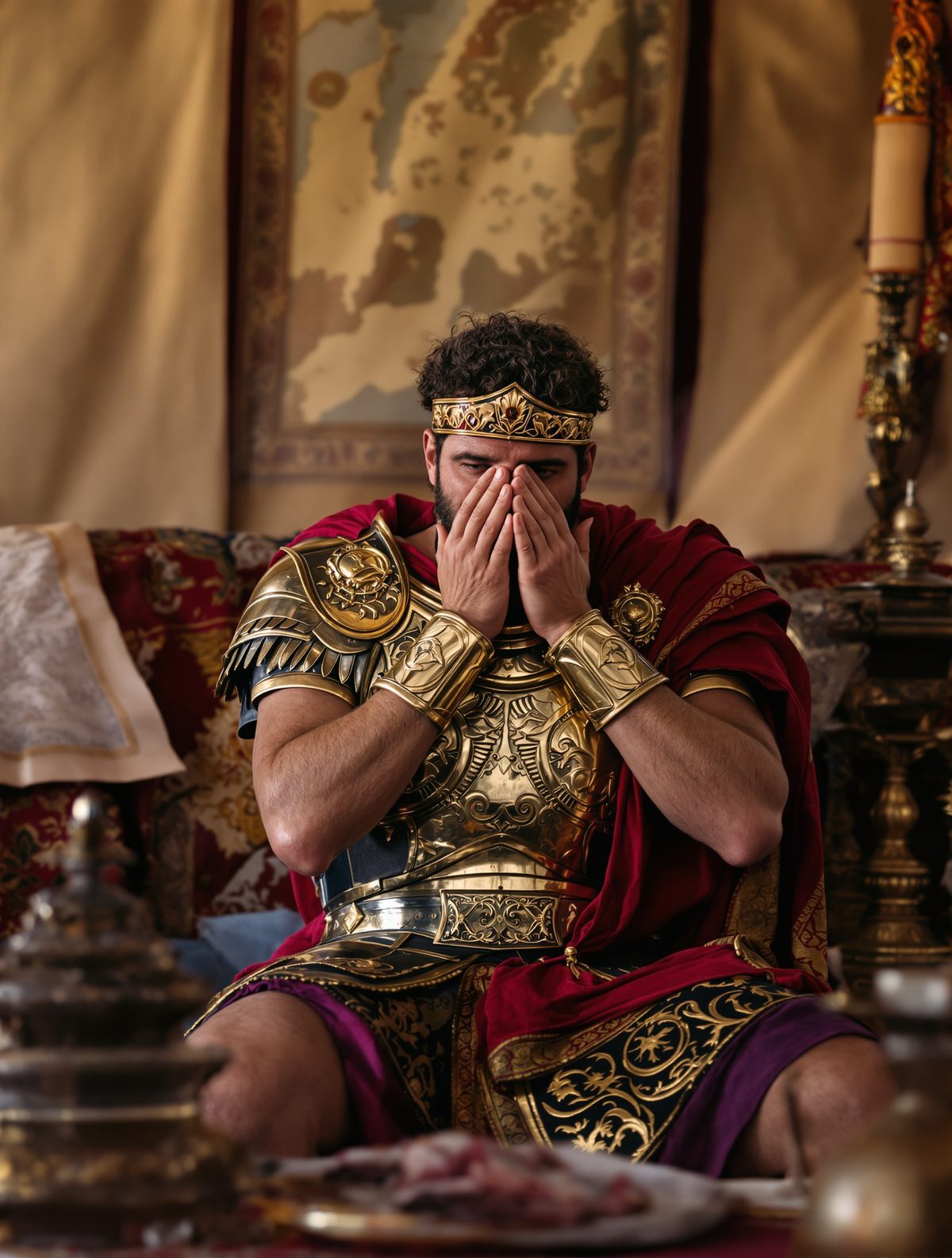
The Babylonians began to whisper that their king had gone mad. Palace scribes wrote that he was "out of his mind" and had been "entrusted to a demon." Modern historians suggest he may have suffered from some form of mental illness—though whether his obsession with archaeology was a symptom or simply an incredibly poorly-timed midlife crisis remains debatable.
While the Cat's Away, the Persians Will Play
Nabonidus's archaeological adventure had attracted the attention of a ambitious Persian king named Cyrus II—known to history as Cyrus the Great. By 545 BC, Cyrus had conquered most of the Middle East and was eyeing the greatest prize of all: Babylon itself. The fact that Babylon's king was playing in the sand hundreds of miles away made Cyrus's job considerably easier.
The Persian propaganda machine went into overdrive, painting Nabonidus as a neglectful ruler who had abandoned his people and his duties. They weren't wrong. While Nabonidus was carefully cataloguing pottery fragments, Cyrus was building the largest empire the world had ever seen. The contrast couldn't have been more stark: one king obsessed with the distant past, another focused entirely on conquering the future.
In 539 BC, reality finally crashed into Nabonidus's archaeological paradise. Cyrus's armies were marching on Babylon, and even the most dedicated scholar-king couldn't ignore an existential threat to his empire. Nabonidus finally returned to his capital after a decade in the desert, but it was far too late.
The Fall of History's First Archaeologist
The Battle of Opis in September 539 BC was a massacre. Nabonidus's rusty military machine, neglected for a decade, crumbled before the well-oiled Persian war engine. Within weeks, Cyrus's forces had reached Babylon itself. In one of history's most anticlimactic moments, the gates of the greatest city on Earth opened without a fight—the Babylonians actually welcomed their Persian conquerors.
Nabonidus was captured, but Cyrus, perhaps amused by his scholarly predecessor, spared his life. The last king of Babylon spent his remaining years in comfortable exile, probably boring his Persian guards with stories about really fascinating foundation inscriptions he'd discovered in Arabia.
The Babylonian Empire, which had dominated the ancient world for over a century, died not with a bang but with a whimper—killed not by superior enemy force, but by a king who loved dusty artifacts more than he loved power.
The King Who Was 2,500 Years Ahead of His Time
History hasn't been kind to Nabonidus. He's remembered as the mad king who lost Babylon, the absent ruler who fiddled while his empire burned. But perhaps it's time for a reassessment. In an age when kings were expected to be warriors, conquerors, and strongmen, Nabonidus dared to be something different: a scholar, a preserver of knowledge, a man who believed the past was worth saving.
His archaeological methods were remarkably sophisticated. He didn't just loot ancient sites for treasure—he studied them, recorded his findings, and attempted to understand the civilizations that came before him. His inscriptions provide some of our best information about early Mesopotamian history, precisely because he cared enough to dig it up and write it down.
In our modern world, where we celebrate scientific inquiry and historical preservation, maybe Nabonidus was simply a man born into the wrong century. He chose knowledge over power, understanding over conquest, preservation over destruction. In the brutal calculus of ancient politics, these choices cost him everything. But in the longer arc of human progress, perhaps his decade in the desert accomplished something more lasting than another military campaign ever could have.
The next time you visit a museum, remember King Nabonidus—the man who gave up the world's greatest empire because he couldn't resist the urge to dig up the past. He lost his kingdom, but he helped preserve the memory of civilizations that would otherwise have been forgotten forever. In a world of forgotten conquerors and nameless battles, that might just be the most valuable treasure of all.