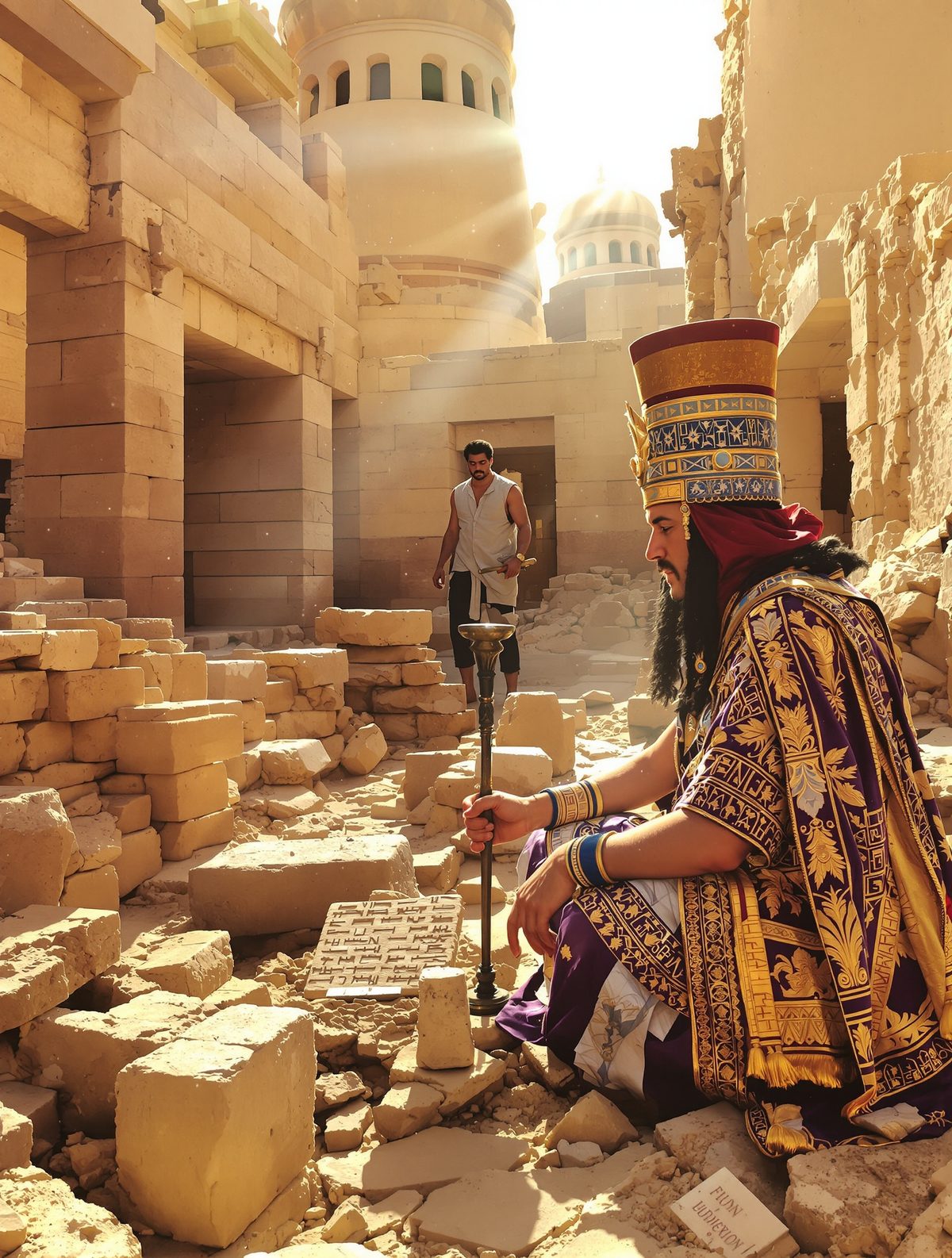
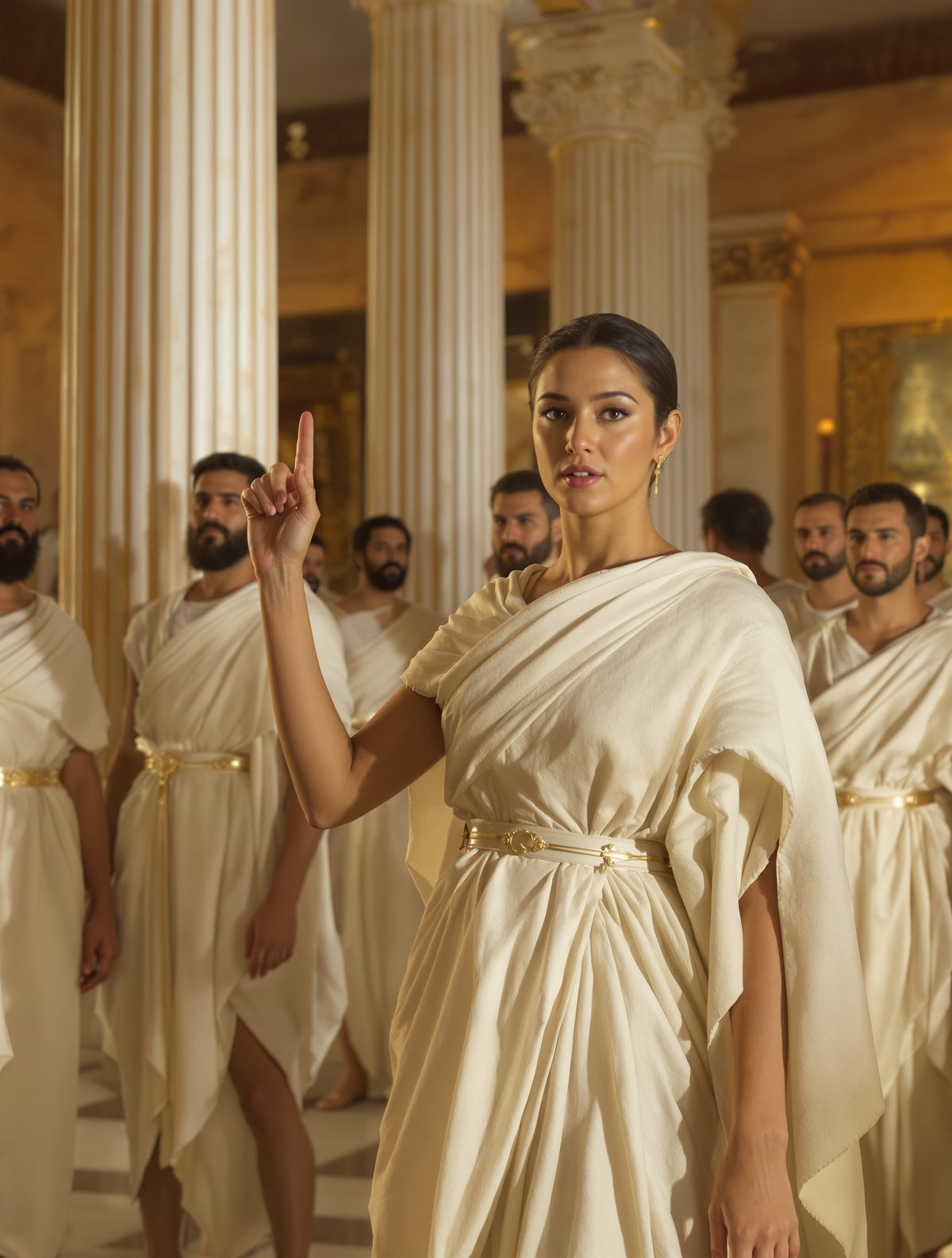
Picture this: November 8, 1519. Two worlds are about to collide on a narrow causeway stretching across Lake Texcoco toward the magnificent island city of Tenochtitlan. On one side stands Moctezuma II, ruler of an empire spanning nearly 100,000 square miles. On the other, Spanish conquistador Hernán Cortés with just 400 men, their metal armor glinting in the morning sun. Between them, quite literally, stands a teenage girl whose words are about to reshape history forever.
Her name was Malinche—though the Spanish called her Doña Marina—and she was about to become the most consequential translator in human history. What happened in the conversations that followed wouldn't just determine the fate of the Aztec Empire; it would mark the beginning of the end of indigenous civilization in the Americas. And it all hinged on how one young woman chose to interpret not just words, but entire worldviews.
The Girl Who Spoke Three Worlds
Born around 1500 in the region that is now Veracruz, Mexico, Malinche's journey to that fateful causeway reads like something out of a tragic novel. Originally named Malinali after the day of her birth in the Aztec calendar, she was the daughter of a Nahua noble family. But when her father died and her mother remarried, the young girl became inconvenient—a reminder of the previous marriage and an obstacle to her half-brother's inheritance.
So her own mother sold her into slavery.
This betrayal would prove to be one of history's most significant acts of family dysfunction. Malinche was traded from group to group, eventually ending up among the Maya in the Yucatan Peninsula. There, she learned Mayan while never forgetting her native Nahuatl—the language of the Aztecs. When Cortés defeated the Maya at the Battle of Centla in March 1519, Malinche was among twenty women given to the Spanish as tribute.
But here's what makes her story extraordinary: Cortés already had a translator named Jerónimo de Aguilar, a Spanish priest who had learned Maya during eight years of captivity. The chain was simple but powerful—Cortés would speak Spanish to Aguilar, who would translate to Maya for Malinche, who would then render it into Nahuatl for the Aztecs. Soon, Malinche's quick intelligence allowed her to learn Spanish directly, cutting out the middleman.
She became the only person in the Americas who could navigate all three linguistic worlds. And she was barely twenty years old.
The Emperor's Fatal Mistake
When Moctezuma II first heard reports of strange, pale-skinned men arriving on the coast in "floating mountains," he faced a crisis of interpretation that would make any modern intelligence analyst sweat. Were these the returning gods his priests whispered about? Was their leader the feathered serpent deity Quetzalcoatl, prophesied to return from the east?
The Aztec emperor's indecision proved fatal. Instead of crushing the small Spanish force while they were weak and far from reinforcements, Moctezuma chose to invite them to Tenochtitlan. He wanted to meet these strange visitors face to face. He wanted to talk.
What Moctezuma didn't realize was that the conversation would be filtered through a woman who had every reason to hate the empire that had enslaved her people and considered her property to be traded at will. When Cortés and Moctezuma met on that causeway, with the great pyramids of Tenochtitlan rising behind them and 200,000 Aztec citizens watching from the shores, the fate of the Americas balanced on Malinche's tongue.
Words That Toppled an Empire
The exact words exchanged between Cortés and Moctezuma on November 8, 1519, remain one of history's great mysteries—we only have Spanish accounts, filtered through their own cultural biases. But we know that Moctezuma welcomed the conquistadors with elaborate ceremony, offering them quarters in the heart of his capital city. Through Malinche, he may have expressed uncertainty about whether Cortés was divine or mortal.
Here's where Malinche's role becomes crucial: she wasn't just translating words, but entire conceptual frameworks. How do you explain the European concept of Christianity to someone who has never heard of it? How do you convey Spanish ideas about gold and property to a civilization with completely different economic systems? How do you translate the Aztec emperor's complex theological concerns to Spanish conquistadors who saw only superstition and opportunity?
Malinche's translations gave Cortés unprecedented insight into Aztec thinking, strategy, and vulnerabilities. She revealed the empire's political fault lines—the tributary peoples who resented Aztec rule, the religious anxieties about prophecies and returning gods, the locations of gold treasures. More crucially, her words convinced Moctezuma that the Spanish were potentially divine visitors who should be honored rather than eliminated.
Within days of that first meeting, Cortés had taken Moctezuma prisoner in his own palace—a move so audacious it only succeeded because Malinche's translations had thoroughly confused the Aztec understanding of Spanish intentions. The emperor who ruled millions became a captive, still issuing orders but now under Spanish control.
The Translator's Dilemma
But here's the question that haunts historians: was Malinche a traitor to her people, or a survivor making the best of impossible circumstances? The answer is far more complex than colonial narratives suggest.
Malinche wasn't "Aztec" in the way we might think. She was Nahua, an indigenous people conquered and subjugated by the Aztec Empire. To her, Moctezuma wasn't a defender of indigenous rights—he was another in a long line of rulers who had oppressed her people. The Aztecs demanded tribute, captured prisoners for human sacrifice, and maintained their empire through the same brutal methods the Spanish would later employ.
From Malinche's perspective, the Spanish might have looked like liberators rather than conquerors. Cortés, after all, had freed her from slavery and elevated her to a position of unprecedented influence. She bore him a son, Martín, who would become one of the first mestizos (mixed-race children) in colonial Mexico. For a woman who had been sold by her own mother and traded like property, the Spanish alliance offered power, protection, and perhaps even love.
Yet the consequences of her translations extended far beyond her personal circumstances. The fall of Tenochtitlan in 1521 led to the collapse of indigenous civilization throughout the Americas. Millions would die from disease, warfare, and exploitation. Entire cultures would vanish forever.
The Woman History Almost Forgot
After the conquest, Malinche largely disappears from the Spanish chronicles. She was married off to another conquistador, Juan Jaramillo, and faded into the background of colonial society. She died around 1529, barely thirty years old, having witnessed the complete transformation of her world.
For centuries, Mexican culture vilified her as "La Malinche"—a term that became synonymous with betrayal and selling out to foreign interests. The word malinchismo still exists in modern Mexican Spanish, describing someone who prefers foreign things over their own culture.
But this interpretation ignores the impossible position of a enslaved teenage girl caught between colliding civilizations. Recent historians have begun to reconsider her story, recognizing her as one of the most influential women in world history—a skilled diplomat and translator who navigated an unprecedented cultural collision with remarkable intelligence.
Malinche spoke at least four languages, bore children who would help create modern Mexico's mestizo identity, and served as a crucial cultural bridge during one of history's most dramatic encounters. She wasn't just translating words; she was literally creating the language that would define the relationship between European and indigenous America for centuries to come.
Today, as our globalized world struggles with questions of cultural translation, identity, and belonging, Malinche's story resonates with new relevance. She reminds us that the people caught between worlds—the translators, immigrants, and cultural bridges—often shape history in ways that the kings and conquistadors never could. Her words didn't just doom an empire; they gave birth to a new world, messy and tragic and magnificent all at once.
Every time cultures collide, there's always someone standing in the middle, trying to make sense of the chaos. Five hundred years ago, that person was a young woman whose name we almost forgot, but whose words we're still living with today.