The wind whispered through the pass of Thermopylae, swirling around jagged rocks and settling among the specks of dust that danced in the morning light. The foothills of Mount Kallidromon loomed high, casting long shadows across the narrow ground that separated the cliffs from the Aegean Sea. The air was thick with anticipation and the smell of metal and sweat hung heavy. At that moment in 480 BC, the quiet mountain path, choked with secrets and steeped in history, was about to become the stage for a treacherous act that would seal the fate of the defenders. The mighty Persian Empire had come with a force, so vast it seemed endless, and the Spartans had stood to meet it with resolve. Yet, as the darkness gave way to dawn, Leonidas, King of Sparta, faced an impossible choice.
The Betrayal in the Night
The pass at Thermopylae was perfectly suited for defense; its narrowness allowed a smaller force to hold ground against a far greater foe. The Greek allies, a marshalling of city-states, had gathered here to halt the advance of the colossal Persian army led by King Xerxes. Among them were Leonidas and his 300 Spartan warriors, epitomes of Spartan discipline and bravery. Molon labe, "come and take them," was the response they gave to surrender demands. But as stalwart as they were, fate had woven a different thread through the night.
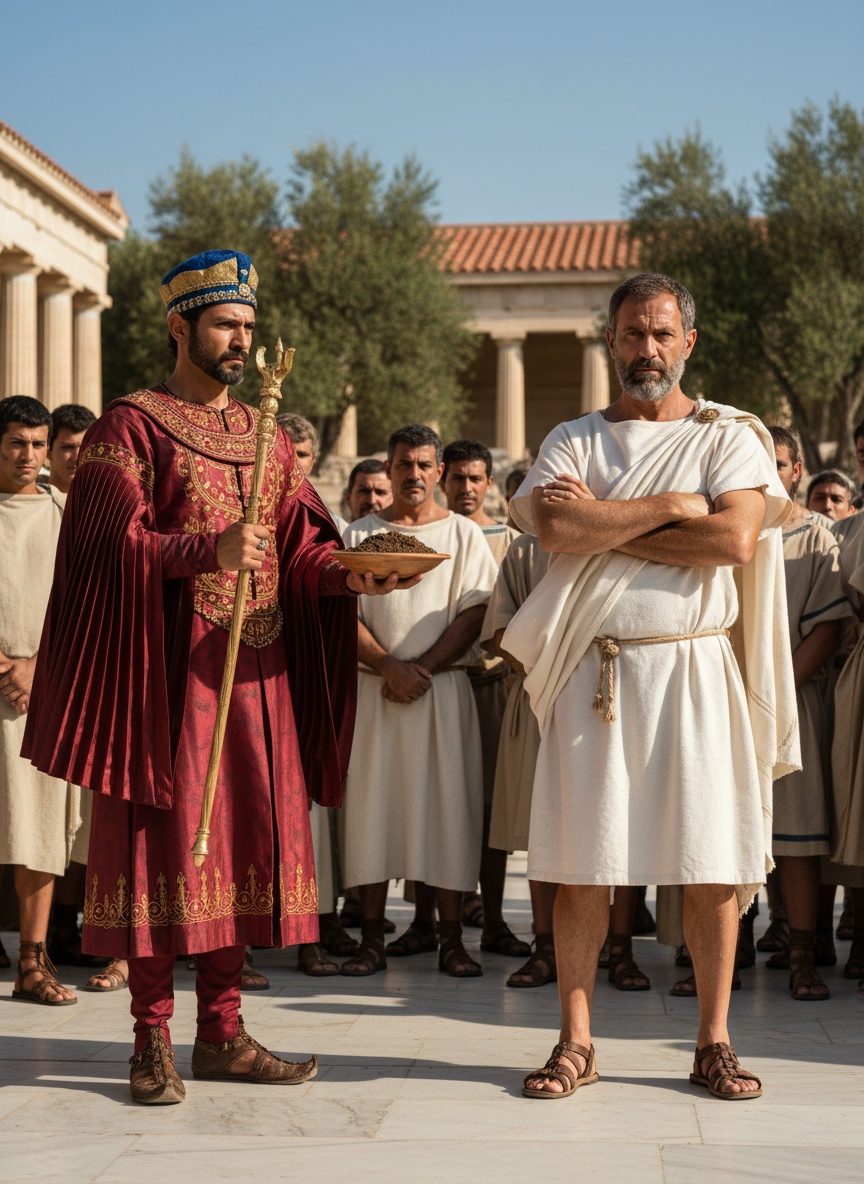
In the shadows of Mount Kallidromon, a malcontent betrayed the Greeks. Ephialtes, hoping for reward, revealed to the Persians the existence of a goat path winding through the mountains. This path would allow the Persian forces to bypass the narrow pass and encircle the Greek defenders. Under the cover of darkness, the Persian troops took this route, ready to descend at first light. With their numbers and now the advantage of surprise, the Persians threatened to crush the Greek resistance from both front and rear.
Leonidas's Grave Decision
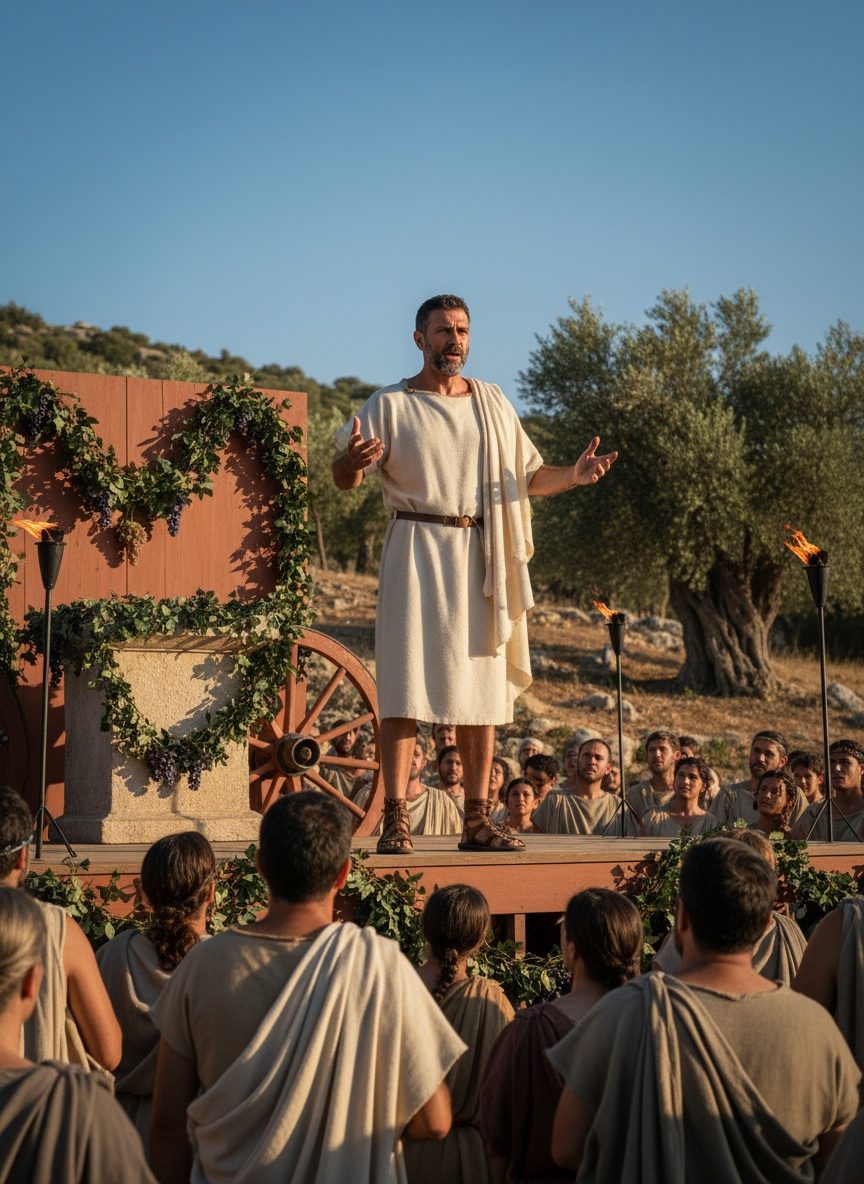
Leonidas understood the implications of Ephialtes' actions. News of the encroaching Persian approach came like a chill on the early morning breeze. He faced a bifold choice: attempt a strategic withdrawal, sacrificing the mission’s integrity, or make a stand amidst the straits of history. In an act of remarkable leadership, he summoned the allied forces together, outlining the full extent of the danger that lay ahead.
With the odds stacked against them and the inevitability of encirclement bearing down, Leonidas chose honor and legacy over survival. Dismissing his allied forces, he ordered them to return to their cities, to regroup, and to prepare for further defense. Here, at the crux of personal valor and collective strategy, he would remain with his Spartans. It wasn't merely acceptance; it was defiance and a declaration to the Persians and to future generations that some things transcend the immediate grasp of life. He was driven by a belief encapsulated in the ethos, "With their shield... or on it."
Upon the Field of Honor
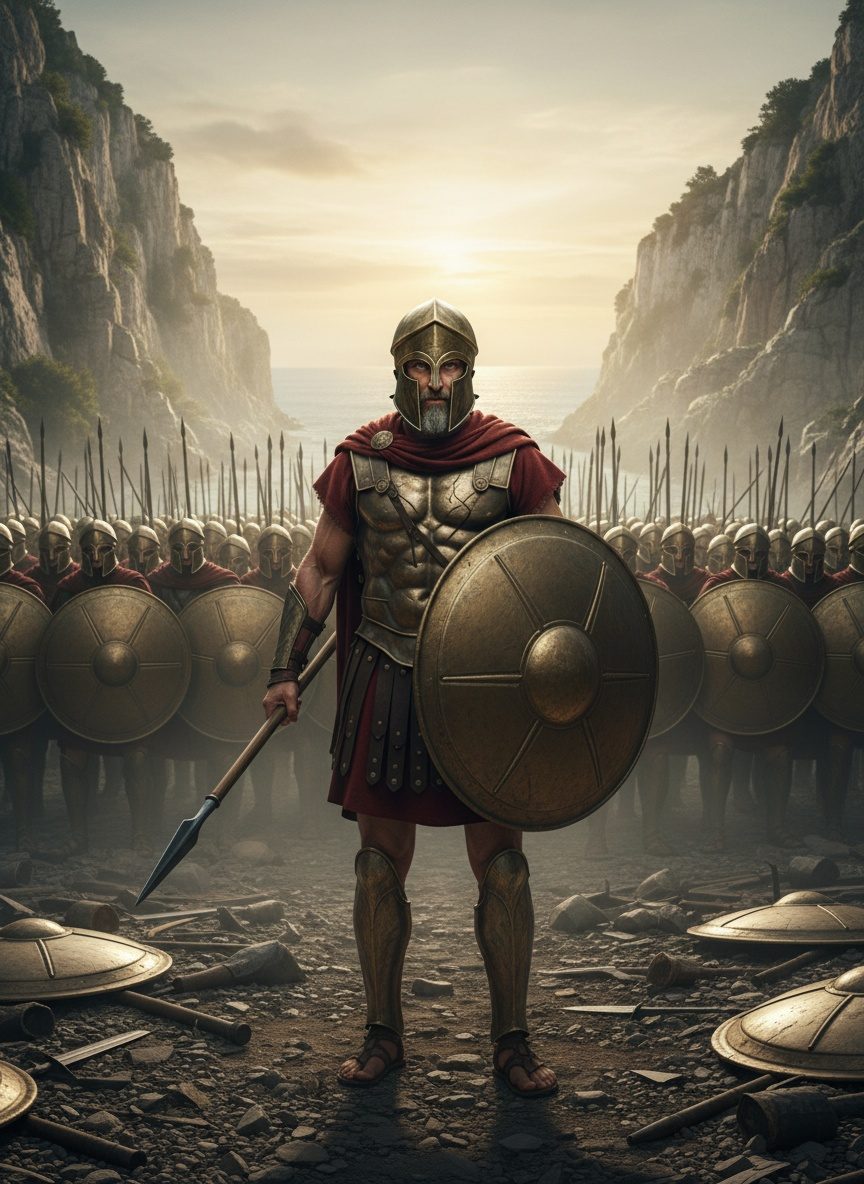
The Spartans had devoted their lives to the art of war, and their last stand at Thermopylae was the pinnacle of Spartan resolve. The 300, joined by a few hundred Thespians who would not desert the cause, made ready for battle. As dawn unfurled its pale light across the sepulchral face of the mountain, the defenders stationed themselves amid the austere and unforgiving landscape. They awaited the inevitable clash with a formidable, overwhelming force. The encased clamor of archaic weaponry resonated through the pass, foreshadowing the impending death knell.
The battle that ensued was not merely a struggle for land but a testament to human spirit and determination. The clash roared through the narrow defile as Spartan spears broke against endless waves of Persian ranks. Shields locked and swords unsheathed, they fought with an intensity that painted rivulets of courage into the deeply grooved history of the place. The fierce dedication of the Spartans, holding the line even as the enemy surrounded them, turned Thermopylae into a symbol of unwavering courage.
The Enduring Echoes
As dusk descended, the aftermath of the struggle lay strewn across the battered ground, a silent testament to the events of that day. The Persians had broken through, yet they had been taught the heavy cost of advancement. The loss of Leonidas and his men etched a legacy that transcended their immediate defeat. Thermopylae would stand eternally as myth and memory, a crossroads where ideals of courage, sacrifice, and freedom were immortalized.
Leonidas sent his allies home, knowing full well what the morning brought. It wasn't a gesture of surrender, but rather a strategic decision that echoed beyond the battlefield. His act reinforced a narrative not of mere loss, but of awakening—of a unified Greek resistance that would ultimately rise to defeat a vast empire. Their ultimate sacrifice became a rallying cry, instilling a burning resolve within the hearts of those they had sent away. Mere months later, at the battles of Salamis and Plataea, that spark would ignite into a conflagration that drove the Persians from Greek shores.
Thermopylae remains a vivid reminder that there are moments when standing firm and embracing sacrifice can reverberate through time, shaping destinies long beyond the immediate horizon. It reminds us that strength isn't solely in survival but in the legacies we choose to leave behind, even when faced with insurmountable odds.