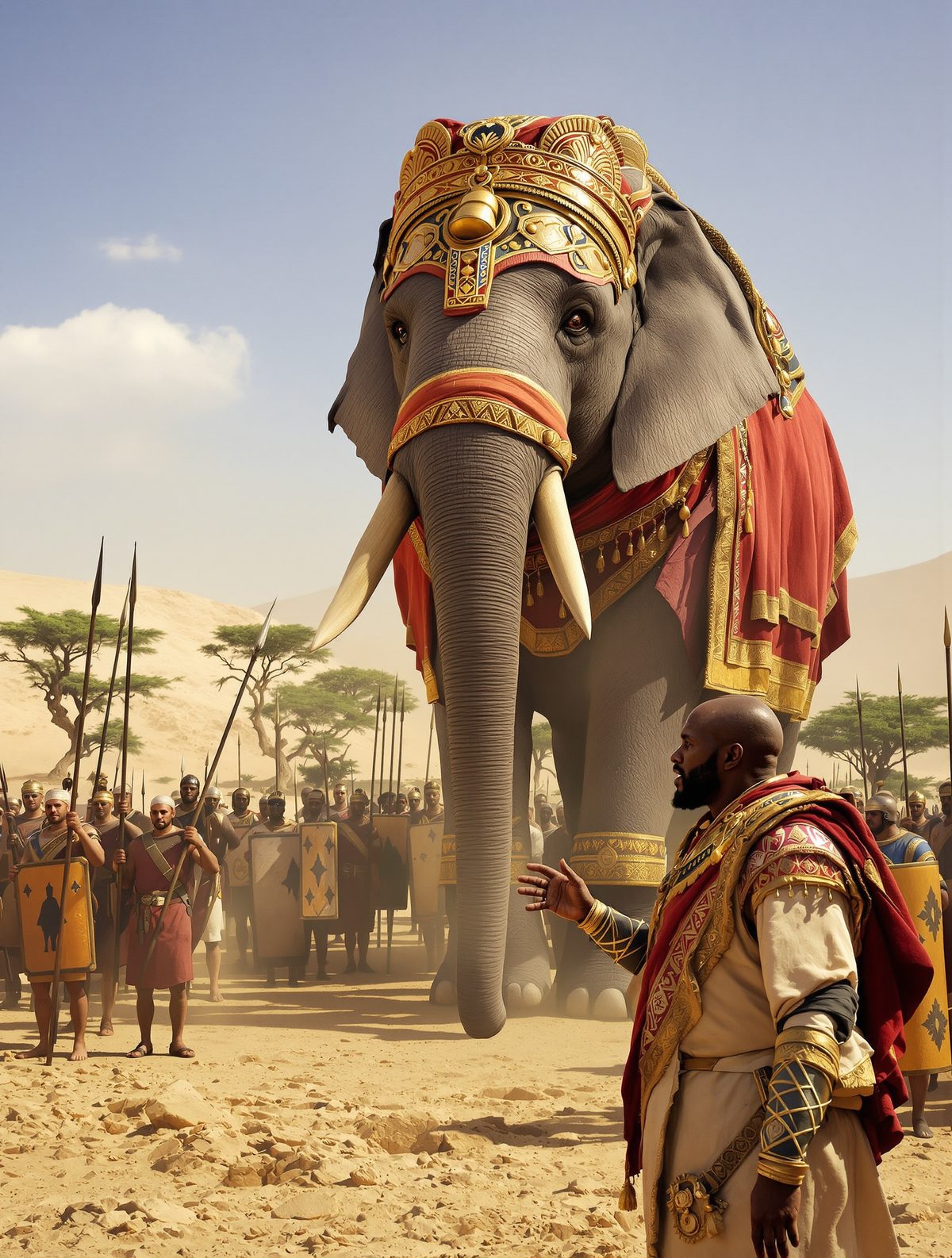
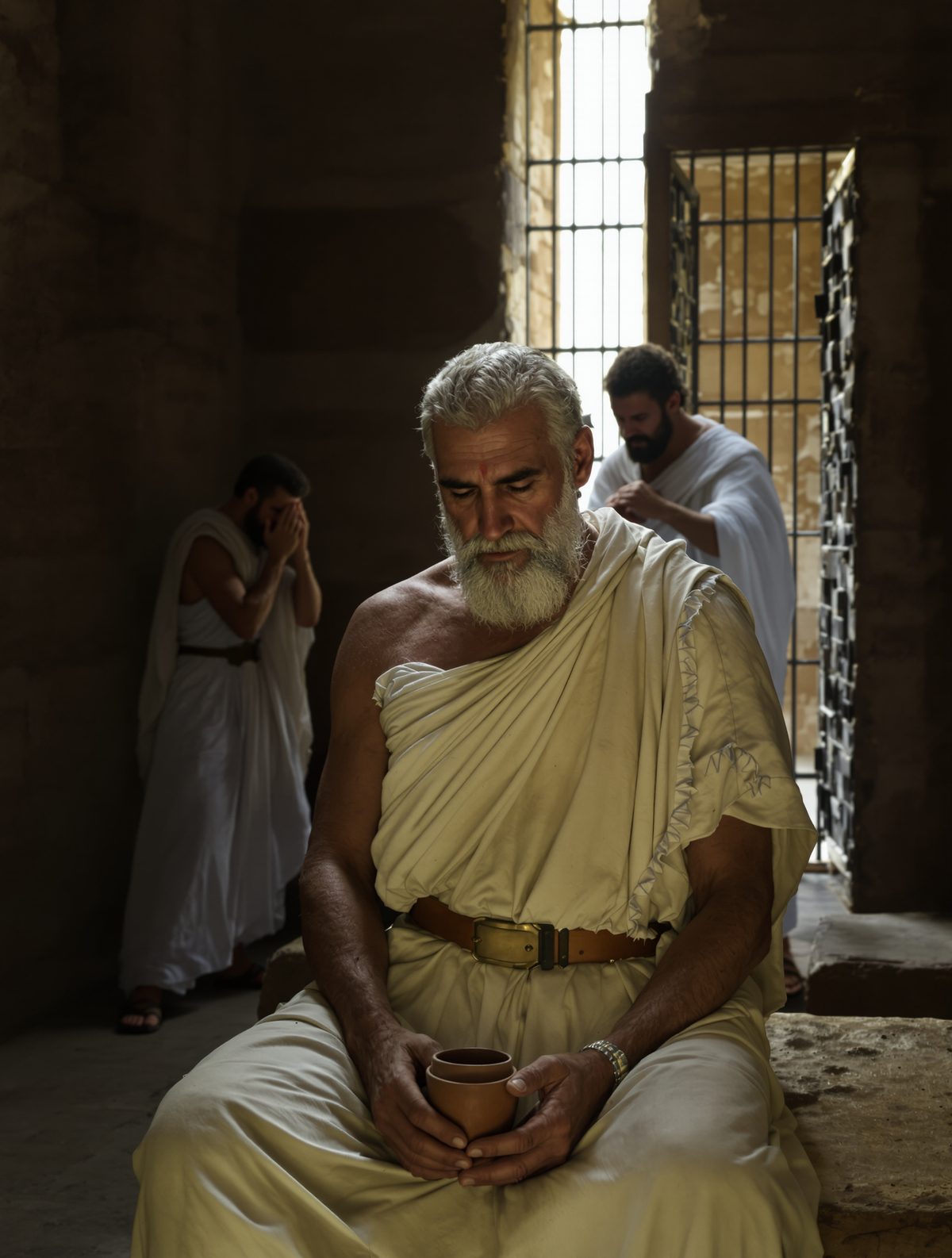
In the year 1427, under the sun-soaked skies of ancient Tenochtitlán—today’s Mexico City—a sequence of exhilarating events was set into motion, forever altering the course of Mesoamerican history. Itzcoatl, the successor of a modest lineage of leaders, ascended to the throne of the Aztec civilization. But unlike his predecessors, Itzcoatl envisioned a destiny far greater than mere survival. With a spark of audacious desperation, he forged an unlikely alliance with a visionary advisor, Tlacaelel. Together, they would not only change the Aztec world but recreate its very foundation—by obliterating the records of the past.
The Fire of Rebirth
The year was marked by a kindling flame. With a solemn decree, Itzcoatl ordered the wholesale destruction of the Aztec past as chronicled in ancient codices. These manuscripts, painstakingly painted and inscribed by earlier generations, detailed a history where Aztecs were seen as a merely tributary state among powerful neighbors. As fires erupted in grandiose furnaces within the temple precincts, smoke curled into the air, carrying with it the memories of a humbler ancestry. Why did Itzcoatl, who had just secured his tenuous hold over a small dominion, embark on such a radical path?
It was a move both daring and calculated. To cement Aztec supremacy, Itzcoatl, illuminated by Tlacaelel’s counsel, knew they first had to change perception. The incineration of codices was not merely destruction but an act of creation. From these ashes arose a new narrative—a divine justification for the empire that was about to be forged.
A Story Reimagined
With history reduced to cinders, the Aztec elite embarked on a monumental task: rewriting their chronicles. The new codices, far from being mere records, were a tapestry of myth and purpose. Through their vibrant glyphs and iconography, they told of the Mexica people’s chosen path as the descendants of gods, destined to rule by divine mandate.
The rewritten history emphasized not only heroic feats and divine favor but also centralized the role of the state in religious and social life. As Tlacaelel deftly orchestrated this narrative, he underscored the importance of Huitzilopochtli, the sun god, elevating him to the chief position in the pantheon—a symbol of the emerging military might and the sunlit path of empire that lay ahead.
Legends Building an Empire
The myth was powerful—it did not merely convince; it inspired. Armed with a decreed destiny, Itzcoatl led military campaigns that saw the Aztec territory swelling with unprecedented speed. By weaving legend with realpolitik, he forged alliances and subjugated enemies. Itzcoatl’s rule expanded beyond the valley of Mexico, gradually solidifying a tripartite alliance with the neighboring city-states of Texcoco and Tlacopan, establishing the foundations of what would become known as the Aztec Empire.
One particularly gripping moment came with the legendary battle against Maxtla, the tyrant ruler of the Tepanecs. The rewritten narratives positioned this victory not merely as a political triumph but as the inevitable outcome of fulfilling the gods’ will. The Aztecs were not seen as mere victors in a war but as the destined rulers of a cosmic order.
Uncovering the Myths
Fast forward to today, and we still see the echoes of this deliberate myth-making. The codices that emerged post-Itzcoatl form much of the basis for what we know about Aztec history—even with their origins steeped in intentional reinvention. This revamping of history was not simply a matter of propaganda but a reshaping of cultural identity—one that intertwined spirituality, politics, and national pride in an inextricable bond.
The audacious rewriting of history by Itzcoatl and Tlacaelel was not without consequences. As archaeologists and historians peel back layers of Aztec and pre-Aztec cultures, they uncover complex, interwoven histories that defy the singular narrative fostered by these leaders. Although much has been lost, the discovery of fragments and traces remaining from pre-conquest times provides insights and challenges assumptions, revealing a universe not solely dictated by one sweeping story.
Lessons Etched in Time
The legacy of Itzcoatl’s spectacular narrative transformation offers profound lessons for our modern world. In an era where information flows at unprecedented speeds and the line between myth and fact often blurs, the story of the Aztec emperor’s strategic rewriting serves as a crucial reminder of the power of narratives. It compels us to question: who controls the stories we consume, and to what end?
In examining this tale of creation from destruction, we are reminded of the capacity of stories to define the rise and fall of empires, to fuel ambitions, and to cement ideologies. As with the Aztecs, our histories and myths shape our collective identity—stories woven through time, carrying us forward, whispering that perhaps we too are destined for greatness.