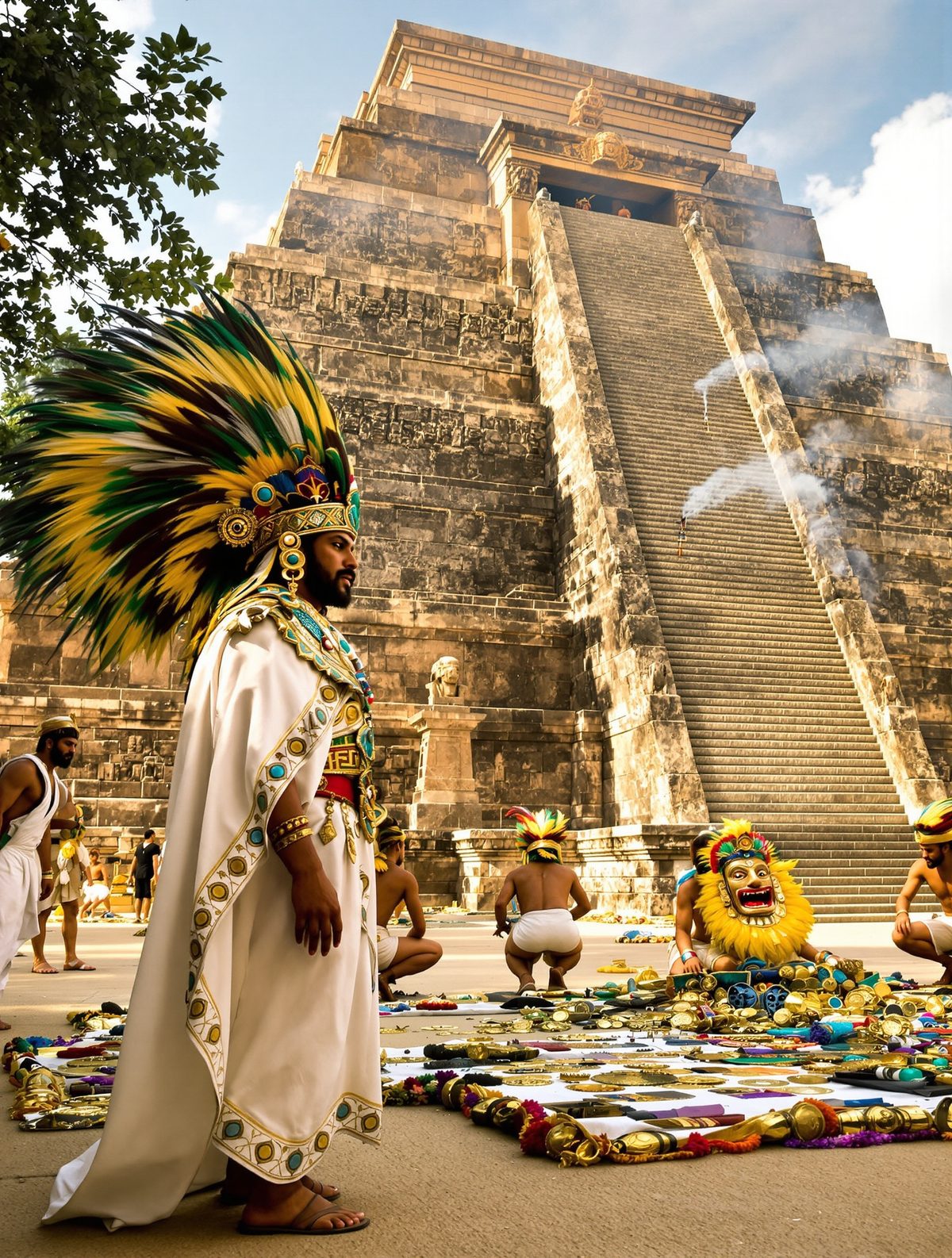
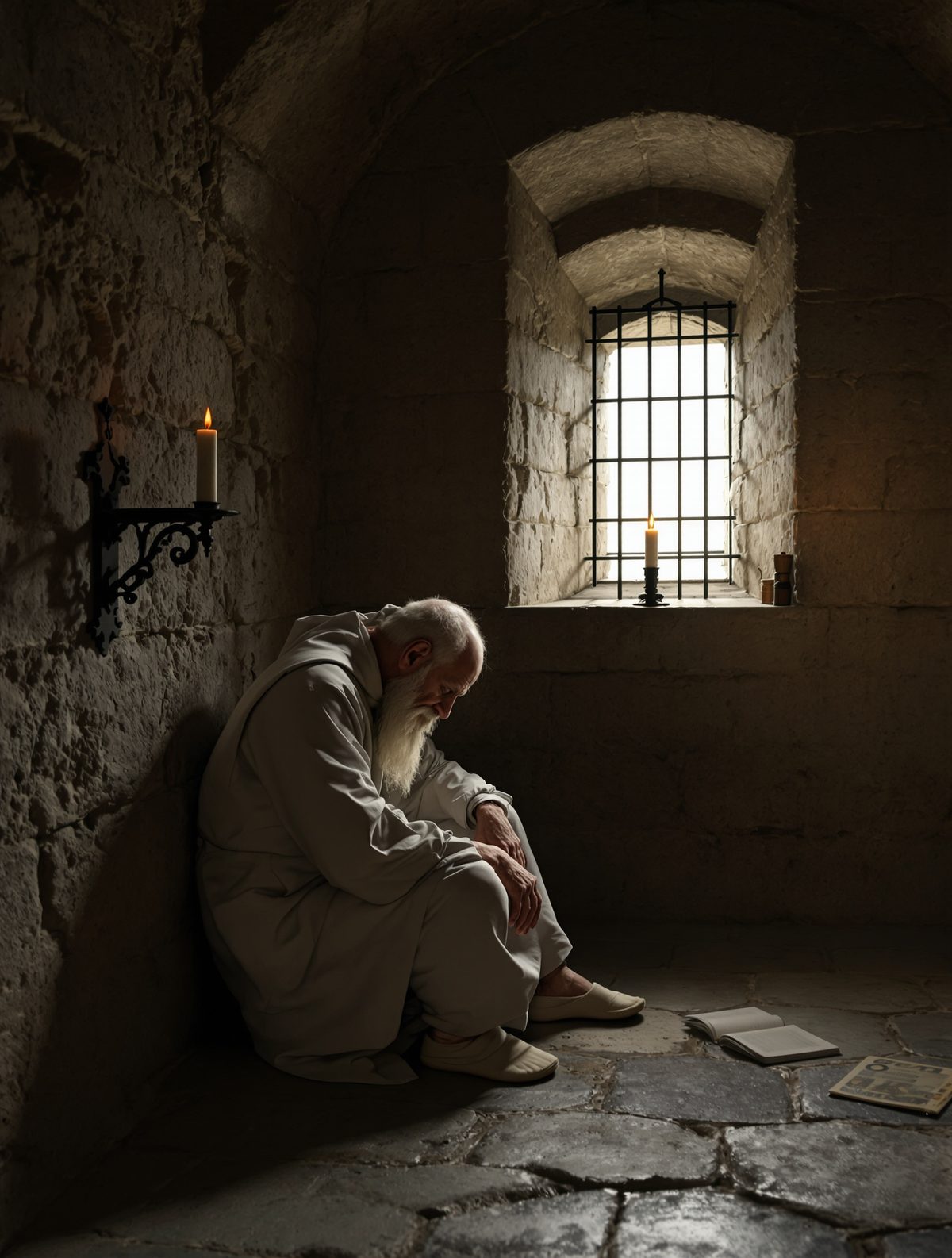
Imagine standing at the edge of a windswept cliff in Iceland, the chill of the North Atlantic biting through your furs, as you prepare to board a ship bound for the unknown. This is where the legend of Gudrid Thorbjarnardóttir begins. Not content with the world she was born into, she traversed uncharted waters and crossed continents, leaving footprints on the sands of history long before her time even had a name for many of the places she visited. Trace her exceptional path from Iceland to North America, and finally to the heart of Christian Europe in a journey that defied the limits of the medieval imagination.
Born Between Boundaries
In the year of our Lord 980, Gudrid Thorbjarnardóttir was born in Laugarbrekka, Iceland, a small settlement perched on the cusp of the known world. Daughter to a wealthy chieftain, her upbringing was steeped in Norse traditions and sagas that spoke of distant lands and ancient gods. Little did her parents know that she herself would become part of stories recited around future campfires.
Iceland at that time was a burgeoning outpost of Viking society, a hotbed of exploration, trade, and fierce independence. But Gudrid’s life would not be confined to the icy realm of her birth. She married Thorir, a trader, which set the first stage of her destiny in motion. Her memory was carried in the sagas as someone daring and resourceful—qualities that would soon be tested as she embarked on her first voyage into the great unknown.
Vinland: The New World
In the early 1000s, news reached Iceland of distant lands discovered to the west, places like Helluland and Markland, later to be known as Baffin Island and Labrador. But it was the fabled Vinland, with its lush forests and rich potential, that captured Gudrid's imagination. In 1004, she joined an expedition led by Leif Erikson, and thus set sail across the waters of the Atlantic to what would later be called North America—500 years before Columbus would make his voyage.
They landed at what is now believed to be Newfoundland, Canada. There, she contributed to the Norse settlement called Leifsbudir. It was there that she gave birth to a boy named Snorri, the first-known European child born on American soil. But North America, known to the Norse as Vinland, was not without its perils. The Native populations were bemused if not outright hostile to these strange newcomers. Despite the exchanges between them and the Europeans—which included both trade and violence—Gudrid survived where others did not.
From Loss to Legacy
Life in Vinland was hard and fraught with danger. Gudrid and her fellow settlers constantly battled the harsh environment and tensions with Indigenous peoples. Tragedy soon struck; her husband Thorir died suddenly, leaving Gudrid a widow in a foreign land. Yet, true to her resilient nature, she did not succumb to despair.
Gudrid returned to Iceland with her son Snorri, where she eventually remarried a man named Thorfinn Karlsefni. Together, they set out once more for Vinland, aiming to establish a permanent colony. Their venture, however, was beset by challenges, and after just three years, they made the difficult decision to return to Iceland. Her exploratory odyssey across the Atlantic would eventually pivot in an unexpected direction: a pilgrimage to the holiest city in Christendom.
A Pilgrim's Journey to Rome
Once back in Iceland, Gudrid’s spiritual transformation began to take shape. Christianity had been making inroads into Viking society by then, and Gudrid, intrigued by the new faith, embraced it wholeheartedly, eventually embarking on what was perhaps her most ambitious journey yet—a pilgrimage to Rome sometime around 1020 AD.
Walking across continents was no small feat. Her trek to Rome covered thousands of miles across Europe's vast and varied landscapes, encountering merchant caravans, fellow pilgrims, and navigating the intricate web of medieval trade routes. The journey was rich in culture and fraught with its own dangers, from treacherous mountains to the navigating the complexities of foreign cities and languages. In Rome, she is said to have met with Pope Benedict VIII, sharing with him tales of her travels, which were likely met with both incredulity and admiration.
The Tapestry of Gudrid's Legacy
After her pilgrimage, Gudrid returned to Iceland and took on the serene life of a nun. Today, her legacy is a tapestry woven through the sagas of the Norse, the archaeological record of Vinland, and the annals of medieval European history. She stands among the most traveled women of her era, braving the Arctic Ocean and crossing the vast breadth of Europe at a time when few dared to do so.
Gudrid's story serves as a testament to the indomitable spirit that characterized the Viking age, an era synonymous with exploration and discovery. Her life exemplifies not only the spirit of adventure but also the resilience and adaptability of women throughout history. Her journeys—across oceans, through grief, amidst different cultures—forge a path as wide and varied as the continents she traversed.
Today, Gudrid Thorbjarnardóttir’s life story continues to inspire, reminding us that history is not only shaped by kings, queens, and warriors but also by those whose footsteps spanned continents and who lived beyond the confines of their origins. In a world increasingly connected yet disparate, her perseverance amidst the divisiveness of then offers a timeless message: boundaries—be they geographical or cultural—are meant to be crossed.