Picture this: the year is 146 AD, and the most deafening roar in human history erupts from the Circus Maximus. Two hundred and fifty thousand Romans are on their feet, screaming themselves hoarse as a middle-aged man from Spain guides his four-horse chariot across the finish line for the final time. As Gaius Appuleius Diocles raises his whip in victory, he's not just ending another race—he's retiring as the richest athlete who ever lived.
His career earnings? Thirty-five million sestertii. To put that in perspective, you could buy every single house in Pompeii and still have change left over. You could feed the entire population of Rome—all one million residents—for an entire year. In today's money, adjusted for economic scale, Diocles accumulated wealth that would make Tiger Woods and LeBron James look like they were working minimum wage jobs.
Yet most people have never heard of him. While gladiators captured Hollywood's imagination, the real superstars of ancient Rome were the chariot racers—and none shone brighter than a Spanish-born driver who turned the most dangerous sport in the world into the greatest fortune ever earned by an athlete.
The Colosseum's Forgotten Rival
When we think of Roman entertainment, gladiatorial combat immediately comes to mind. But here's what they didn't teach you in school: chariot racing was far more popular than gladiator fights. The Circus Maximus, Rome's premier racing venue, could hold 250,000 spectators—nearly three times the capacity of the Colosseum. On race days, roughly one in four Romans would cram into this massive arena, making it proportionally the largest sporting event in human history.
The races weren't just entertainment—they were Rome's obsession. Imagine if the Super Bowl happened 24 times a year, and you'll start to understand the cultural significance of chariot racing. Romans would bet their life savings on races, riots would break out between rival fan factions, and emperors themselves would sometimes compete (usually with predictably favorable results for the imperial ego).
The sport was organized around four teams, each identified by colors: the Reds, Whites, Blues, and Greens. These weren't just racing teams—they were massive commercial enterprises with thousands of employees, from trainers and veterinarians to scouts who scoured the empire for the fastest horses. Think of them as ancient Rome's version of Formula One teams, complete with corporate sponsorships and fanatical fan bases that could turn violent at a moment's notice.
A Spanish Nobody Becomes Rome's Golden Boy
Gaius Appuleius Diocles was born around 104 AD in Augusta Emerita (modern-day Mérida, Spain), far from Rome's glamorous racing circuits. Like many professional athletes today who come from humble backgrounds, Diocles likely saw chariot racing as his ticket to a better life—though he probably never imagined just how golden that ticket would become.
He began his career in 122 AD at age 18, starting with the White faction. In the cutthroat world of Roman chariot racing, loyalty was fluid, and talented drivers were always looking for better offers. Diocles would race for all four major factions during his career, but it was his 15-year stint with the Reds (from 128-143 AD) that would make him legendary.
What made Diocles special wasn't just his skill—though contemporary accounts suggest he had an almost supernatural ability to control four galloping horses while navigating the chaos of a seven-lap race. It was his longevity. In a sport where drivers regularly died in spectacular crashes (the Romans had a term for it: naufragium, literally "shipwreck"), Diocles competed for 24 years and lived to retire wealthy and whole.
Consider this: he competed in 4,257 races and won 1,462 of them—a victory rate of about 34%. But even more impressive were his second and third-place finishes. In Roman chariot racing, the top three positions all earned prize money, and Diocles finished "in the money" in nearly 3,000 races. That's like a modern NASCAR driver finishing in the top three in 70% of their races over a 24-year career.
The Mathematics of Ancient Superstardom
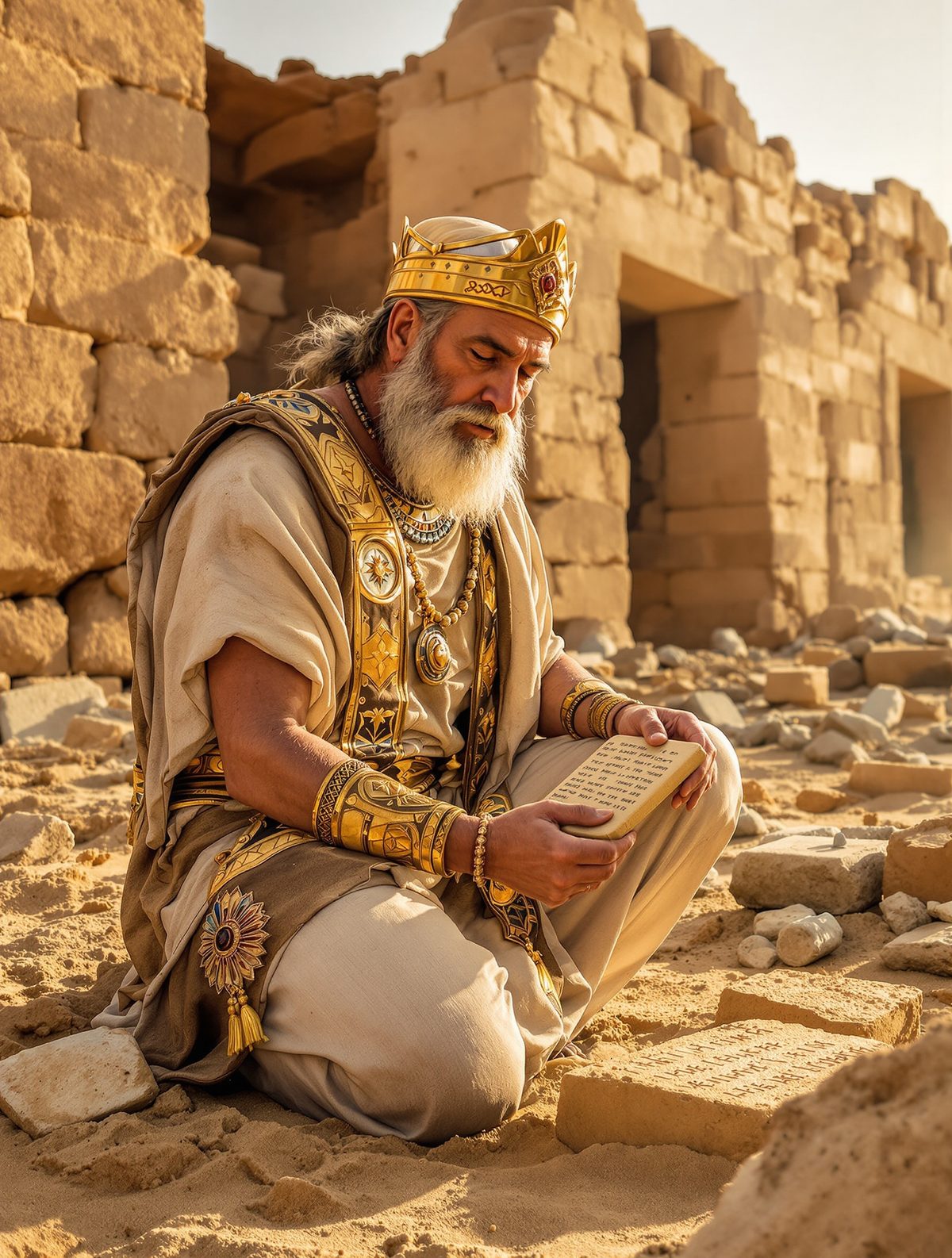
Let's talk numbers, because Diocles' financial success was as precisely documented as any modern athlete's contract. Roman record-keeping was meticulous, and we know exactly how much he earned because his achievements were literally carved in stone—a monument erected in his honor that archaeologists discovered centuries later.
His career earnings of 35,863,120 sestertii sounds abstract until you start making comparisons. A Roman legionnaire earned about 1,200 sestertii per year. A comfortable middle-class Roman house cost around 300-400 sestertii. Diocles earned enough money to buy roughly 100,000 houses. Or to put it another way, he accumulated wealth equivalent to paying the salaries of nearly 30,000 Roman soldiers for an entire year.
But here's the truly staggering part: economic historians estimate that in terms of economic impact and purchasing power, Diocles' wealth would translate to approximately $15 billion in today's economy. That's not just "rich by athlete standards"—that would make him one of the wealthiest people alive today, regardless of profession.
How did a chariot racer earn so much? Prize money in Roman racing was substantial, but Diocles also benefited from bonuses, appearance fees, and what we might today call endorsement deals. Successful charioteers became walking advertisements for their factions, and the most popular drivers could command enormous fees just for showing up to race in smaller venues across the empire.
Death-Defying Spectacle in the World's Largest Stadium
To understand how Diocles earned his fortune, you need to picture the sheer spectacle of a day at the Circus Maximus. The massive oval track stretched nearly 2,000 feet long and 400 feet wide, with a central barrier called the spina decorated with statues, fountains, and obelisks that emperors had hauled back from conquered territories.
Race day began before dawn with elaborate ceremonies. Priests would perform sacrifices, musicians would play, and exotic animals from across the empire would be paraded before the crowd. Then came the main event: typically 24 races throughout the day, each featuring 12 chariots (three from each faction) thundering around the track seven times.
The start was chaos. Imagine 12 four-horse teams, 48 animals total, exploding from the starting gates simultaneously. Drivers would immediately jostle for position, trying to get to the inside lane where the turns were tightest but the distance shortest. The noise was overwhelming—not just from the crowd, but from the thunder of hooves, the creaking of leather harnesses, and the crack of whips.
But it was the turns that made chariot racing so dangerous and so thrilling. Drivers had to slow their teams just enough to navigate the tight corners without flipping, while still maintaining enough speed to stay competitive. Crashes were common, often fatal, and always spectacular. When a chariot overturned, the driver could be dragged to death by his own horses, crushed by following chariots, or trampled by dozens of hooves.
Diocles survived this mayhem 4,257 times. Even more remarkably, contemporary sources suggest he was never seriously injured—a feat that was considered almost miraculous in his lifetime.
The Ultimate Victory Lap
When Diocles announced his retirement in 146 AD, it wasn't because of injury or declining performance. At 42, he was still winning races and earning massive purses. He simply decided to quit while he was ahead—and alive. It was a decision that Roman society both understood and celebrated, because everyone knew that in chariot racing, every race could be your last.
His farewell race at the Circus Maximus was reportedly one of the most emotional events in the venue's history. Win or lose, the crowd knew they were watching the end of an era. When he crossed the finish line victorious—of course he did—the ovation lasted so long that the next race had to be delayed.
But perhaps the most telling tribute came later: that stone monument detailing his career statistics. In a society that typically reserved such honors for generals and emperors, Rome carved Diocles' achievements in marble for posterity. They recognized that they had witnessed something unprecedented—an athlete who had transcended sport to become a cultural icon.
The Billion-Dollar Question
So why don't we remember Gaius Appuleius Diocles? Why do we know the names of gladiators like Spartacus, but not the man who earned more money than any athlete in history?
Part of the answer lies in how history gets told. Gladiators represented rebellion, freedom, and dramatic life-or-death struggles—themes that resonate across centuries. Chariot racers, no matter how skilled or wealthy, were ultimately entertainers competing for prize money. Their stories were less likely to inspire epic poems or political movements.
But there's a deeper reason: Diocles represents something we're still uncomfortable acknowledging about sports and society. He shows us that even 2,000 years ago, societies were willing to pay astronomical sums to watch athletic competition. His wealth demonstrates that sports weren't just entertainment in ancient Rome—they were big business, complete with corporate teams, celebrity endorsements, and obsessive fan culture.
In our age of $500 million athlete contracts and billion-dollar sports franchises, maybe we have more in common with ancient Rome than we'd like to admit. Diocles' story reminds us that humans have always been willing to pay almost anything for the thrill of competition, the drama of victory and defeat, and the chance to witness someone do the impossible.
The Spanish chariot racer who became history's richest athlete didn't just earn 35 million sestertii. He earned something far more valuable: proof that some human obsessions are truly timeless.