Picture this: It's 432 BC, and the most brilliant mind in ancient Sicily is standing at the edge of Mount Etna's bubbling crater, bronze sandals gleaming in the volcanic glow. Empedocles—philosopher, physician, poet, and self-proclaimed god—is about to attempt the ultimate magic trick. He plans to leap into the molten depths and vanish without a trace, leaving his followers to conclude that he has ascended to join the immortal gods. There's just one problem: volcanoes, as it turns out, have a sense of humor.
The God Who Walked Among Mortals
Long before self-help gurus and social media influencers convinced people they held the secrets to life, there was Empedocles of Acragas. Born around 494 BC in what is now Sicily, he didn't just think outside the box—he convinced an entire generation that he was the box. This wasn't your typical ancient Greek philosopher content to debate the nature of reality from the comfort of a marble portico. Empedocles was a showman, a revolutionary thinker, and quite possibly history's first recorded megalomaniac with a PhD.
The man had credentials that would make modern academics weep with envy. He essentially invented the concept of the four classical elements—earth, air, fire, and water—that would dominate Western thought for over two millennia. He was the first person to realize that light travels at a finite speed (though he couldn't measure it). He correctly theorized that the moon shines by reflected sunlight and that solar eclipses occur when the moon passes between Earth and sun. Oh, and he also claimed he could control the weather, raise the dead, and grant immortality to his followers.
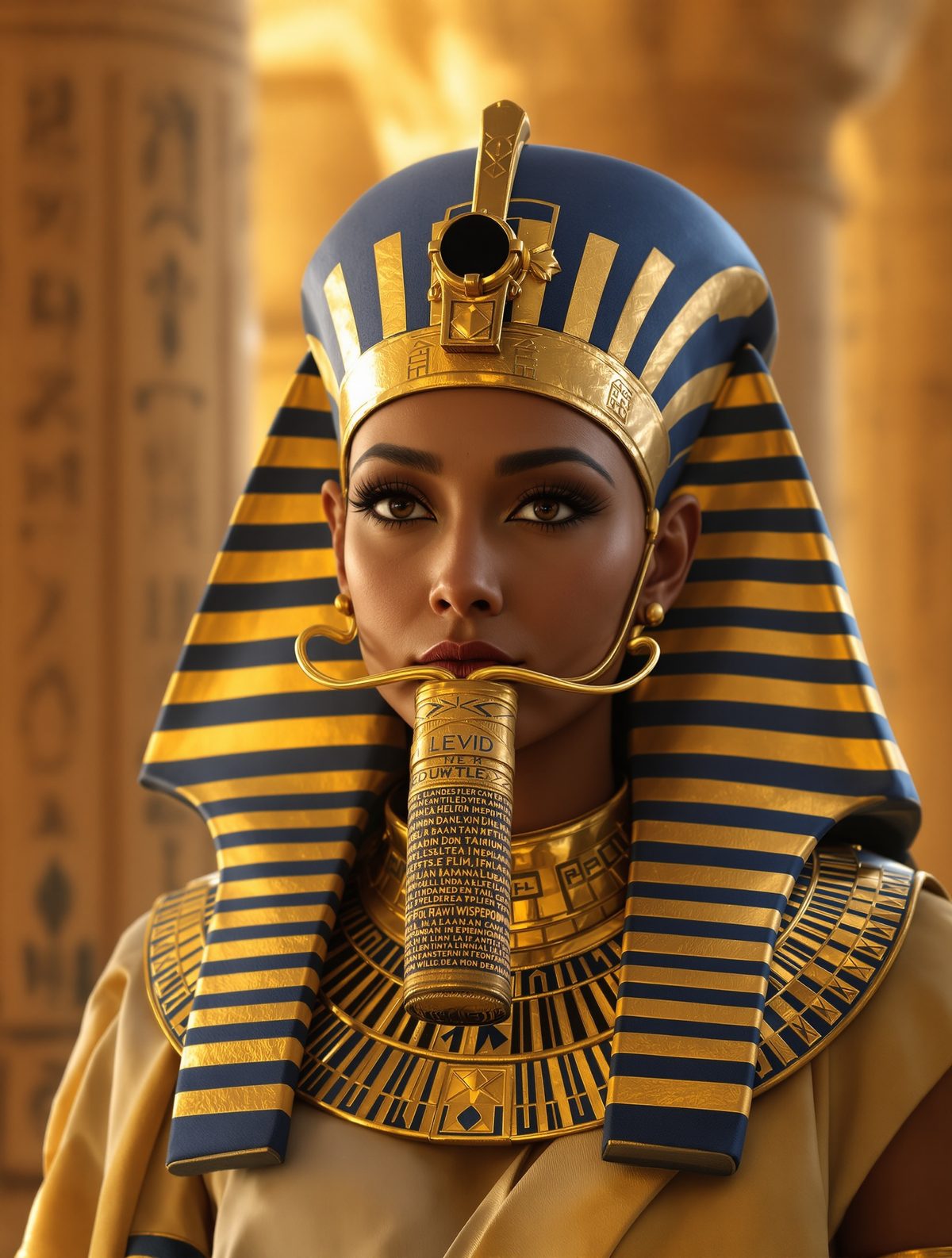
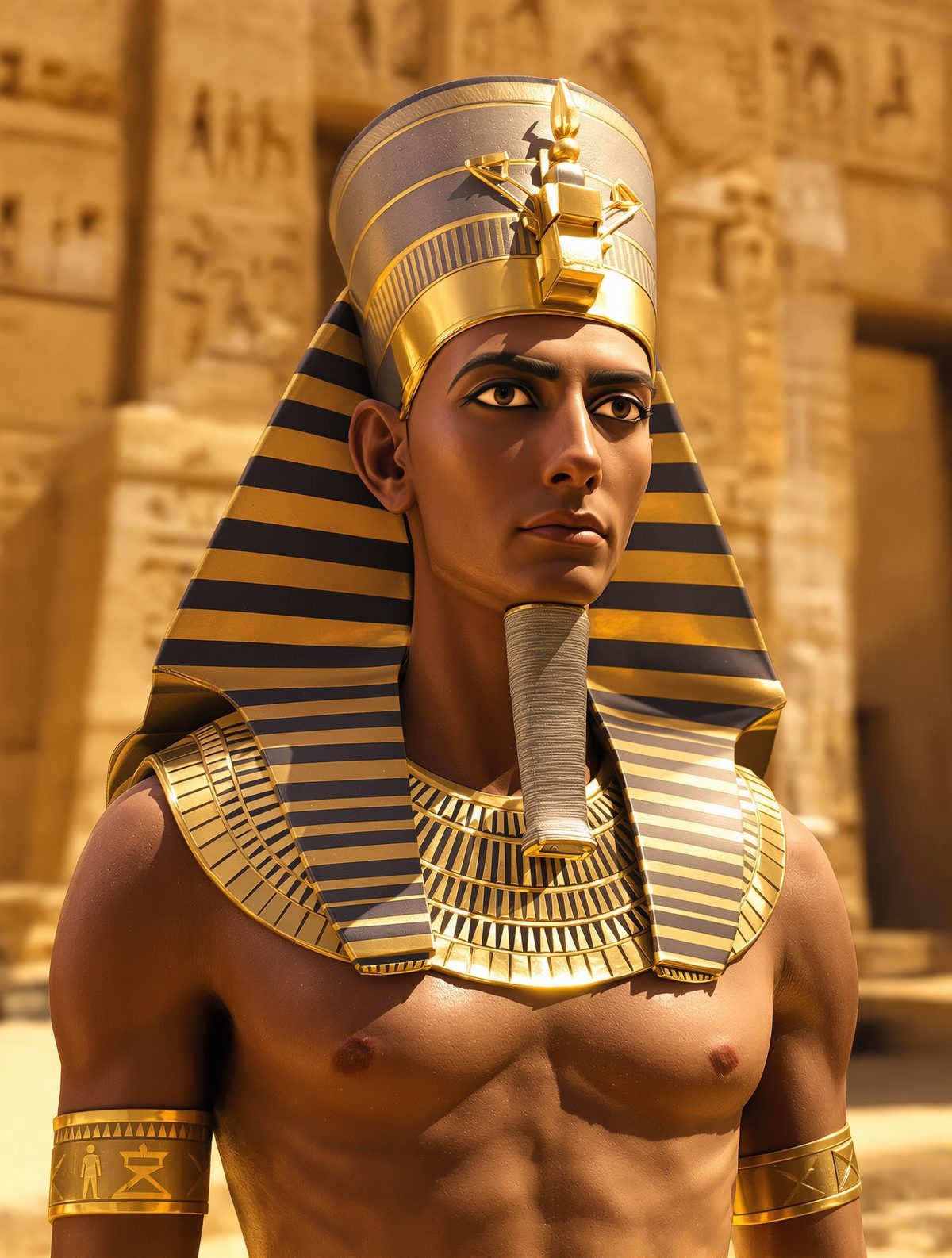
According to the ancient biographer Diogenes Laërtius, Empedocles would arrive in towns wearing a golden crown, bronze sandals, and a purple robe, announcing himself with the words: "I go about among you all as an immortal god, no longer mortal, honored by all, as it seems, crowned with fillets and flowery garlands." Imagine the audacity—and the charisma—required to pull that off in an age when claiming divinity could get you stoned to death.
The Philosophy of Everything
But Empedocles wasn't just a ancient con artist with good fashion sense. His intellectual achievements were genuinely staggering. While his contemporaries were still arguing about whether everything was made of water (thanks, Thales) or fire (looking at you, Heraclitus), Empedocles proposed his revolutionary four-element theory. He argued that all matter consisted of combinations of earth, air, fire, and water, held together or torn apart by two cosmic forces: Love (which unites) and Strife (which separates).
This wasn't just philosophical navel-gazing. Empedocles used his theory to explain everything from human emotions to the formation of the cosmos. He described a cyclical universe where Love and Strife alternately dominate, creating periods of unity and chaos. During the reign of Love, all elements merge into a perfect sphere called the Sphairos. When Strife takes over, everything flies apart into cosmic chaos. Humanity, according to Empedocles, was stuck somewhere in the middle of this eternal struggle.
Even more remarkably, he proposed an early version of evolutionary theory. Empedocles suggested that the first living beings were random combinations of limbs and organs—imagine heads without bodies, arms without torsos, eyes without faces. Only the combinations that "worked" survived and reproduced. It would take another 2,300 years for Charles Darwin to formalize similar ideas, but Empedocles was already there, casually revolutionizing biology while claiming to be immortal on the weekends.
Miracle Man of the Mediterranean
Empedocles didn't just theorize about the natural world—he claimed to manipulate it with godlike power. Ancient sources describe him performing miracles that would make Moses jealous. He allegedly stopped destructive winds from ravaging crops by stretching donkey skins across mountain passes. When a plague struck the city of Selinus, he supposedly ended it by redirecting two rivers to purify the contaminated water supply (a feat that, incidentally, probably did help with the plague, making him one of history's first public health officials).
The crown jewel of his miraculous resume was the resurrection of Pantheia, a woman who had been declared dead for thirty days. While skeptical modern minds might suggest she was merely in a coma, the ancient world was convinced that Empedocles had literally brought her back from Hades. News of this miracle spread across the Greek world faster than gossip at a symposium. Suddenly, every city-state wanted their own pet philosopher-god.
But power, as they say, corrupts—and the power to convince people you're divine corrupts absolutely. Empedocles began to believe his own hype. He established a following of devoted disciples who hung on his every word and treated him as a living deity. For a man who had spent his life studying the cosmos, it must have seemed logical that he was destined to join the immortal gods rather than suffer the indignity of mortal death.
The Ultimate Test of Divinity
By 432 BC, cracks were beginning to show in Empedocles' divine facade. Skeptics questioned his miracles. Rivals challenged his theories. Worst of all, he was aging—and gods don't get gray hair or need walking sticks. Faced with the greatest threat to his reputation, Empedocles devised a plan so audacious that it could only end in triumph or spectacular disaster.
Mount Etna, that towering monument to the earth's violent power, would be his stage for the ultimate magic trick. If he could vanish into the volcano without leaving a trace, his followers would have no choice but to conclude that he had shed his mortal form and ascended to Olympus. It was brilliant in its simplicity—after all, no one could search a lava flow for a body.
The philosopher began making preparations, telling his disciples that he would soon be departing for a higher realm. He spoke cryptically about transformation and transcendence, building anticipation for his grand finale. Some sources suggest he even hosted a final banquet, playing the role of departing god to perfection. Then, one fateful night, he made his way up the slopes of Etna, bronze sandals carrying him toward his destiny with divine immortality.
When Volcanoes Have the Last Laugh
What happened next has become one of history's greatest cosmic punchlines. According to the Roman poet Horace, who recorded the tale several centuries later, Empedocles did indeed leap into Mount Etna's crater, expecting to vanish without a trace and cement his legacy as a god among mortals. There was just one tiny problem with his plan: Mount Etna had other ideas.
The volcano, apparently unimpressed by Empedocles' philosophical credentials, promptly spat out one of his distinctive bronze sandals. The very object that was supposed to disappear forever—proof of his divine ascension—came flying back out of the crater like a cosmic rejection letter. His followers, who had gathered to witness his transformation into godhood, instead found themselves staring at a lonely sandal sitting at the edge of the crater, effectively ruining the entire illusion.
The sandal became ancient Greece's ultimate "oops" moment. Instead of inspiring awe and confirming his divinity, it provided incontrovertible proof that Empedocles had, in fact, jumped into a volcano and died like any other mortal. The man who had spent his life claiming to transcend the natural world had been undone by the very forces he claimed to control. Even the ancient world found this hilarious—the story spread across the Mediterranean, turning Empedocles from a revered god-philosopher into history's first viral fail.
The Immortal Legacy of a Mortal God
The irony of Empedocles' fate is almost too perfect to be true—which is exactly why it probably is true. While some historians suggest the sandal story might be apocryphal, designed to mock the philosopher's pretensions, it perfectly captures something essential about human nature: our simultaneous capacity for brilliant insight and spectacular self-deception.
But here's the twist that Empedocles himself might have appreciated: his desperate bid for immortality actually worked, just not in the way he intended. More than 2,400 years after that bronze sandal came flying out of Mount Etna, we're still talking about him. His four-element theory shaped scientific thinking until the Renaissance. His proto-evolutionary ideas prefigured Darwin. His insights into light, astronomy, and medicine were centuries ahead of their time. He achieved the immortality he craved—not as a god, but as one of history's most fascinating examples of genius tangled up with hubris.
In our age of social media influencers and self-proclaimed gurus, Empedocles feels remarkably contemporary. He reminds us that the line between confidence and delusion, between insight and arrogance, has always been thinner than we'd like to admit. The next time someone promises to revolutionize your life or claims to have transcended ordinary human limitations, remember the bronze sandal of Mount Etna—and maybe ask for some proof that doesn't involve jumping into a volcano.