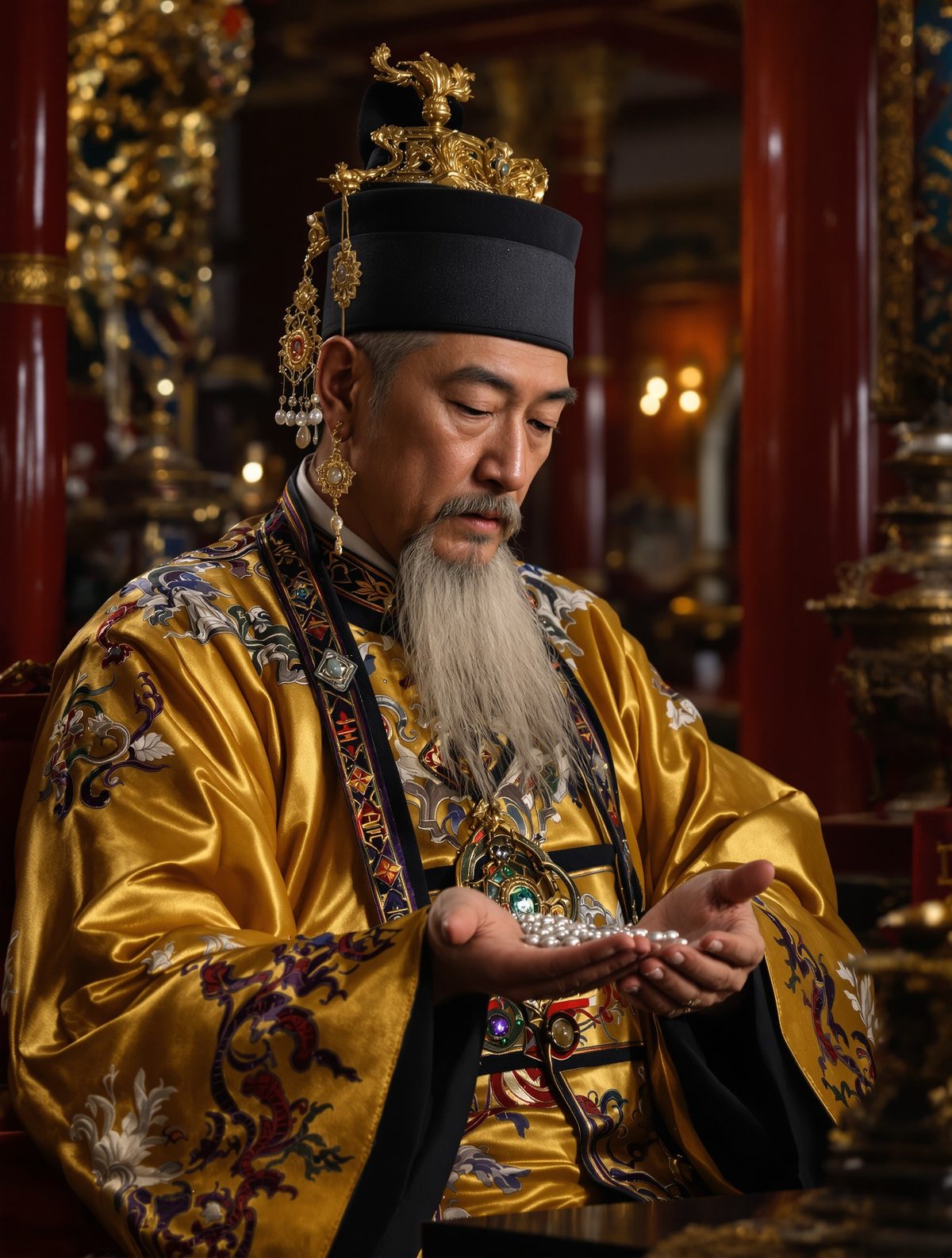
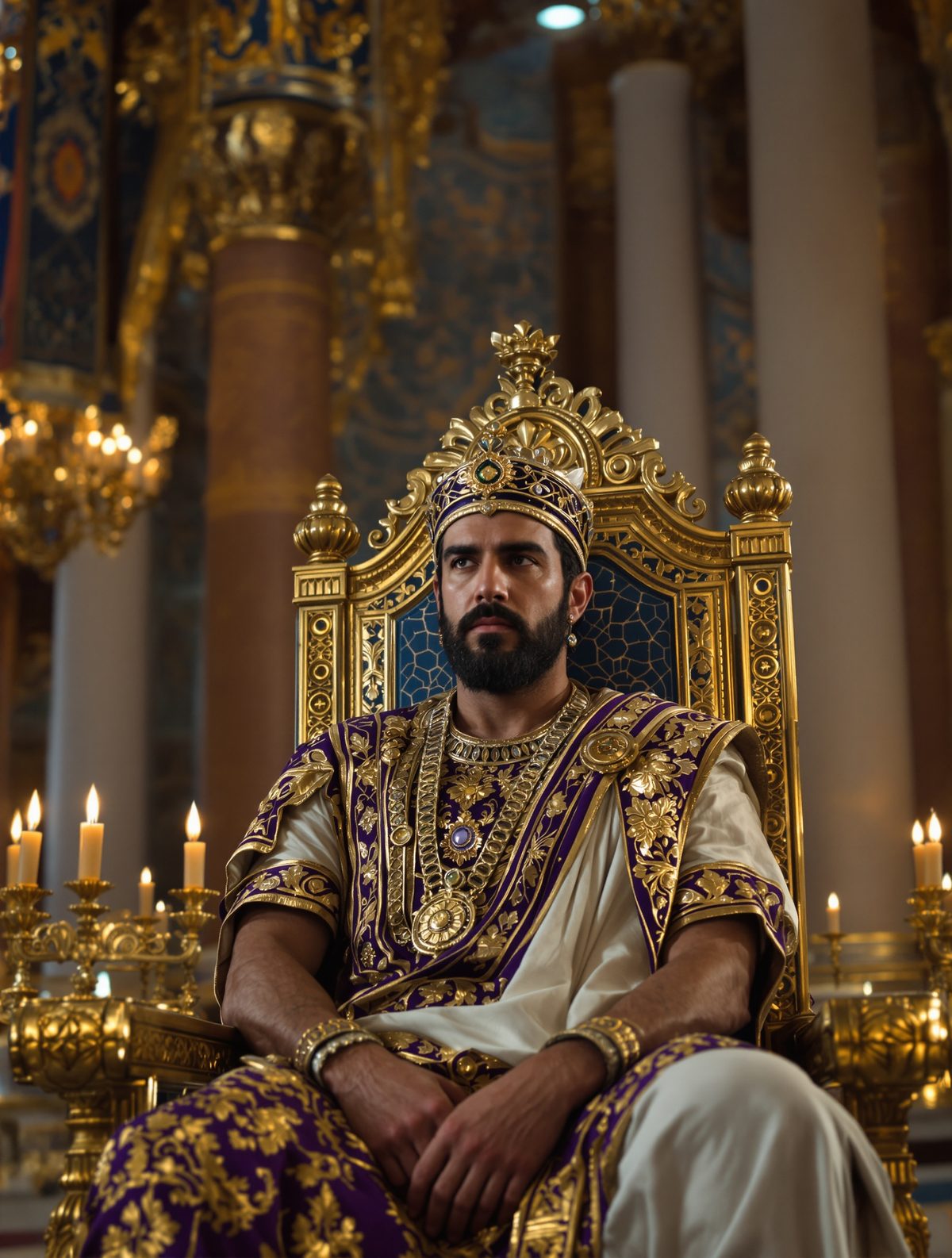
Picture this: It's March 21, 1152, and the most powerful woman in Europe has just done the unthinkable. Eleanor of Aquitaine, Queen of France, has convinced a council of bishops to annul her marriage to King Louis VII—not because he beat her, not because he was unfaithful, but because she was bored. Six weeks later, she would marry his sworn enemy, Henry of Anjou, handing over territories larger than the kingdom of France itself to her ex-husband's greatest rival. In one audacious move, Eleanor didn't just change her address—she rewrote the map of medieval Europe.
The Richest Heiress in Christendom Makes a Royal Mistake
When fifteen-year-old Eleanor inherited the Duchy of Aquitaine in 1137, she became the most eligible bachelorette in medieval Europe. Her lands stretched from the Loire Valley to the Pyrenees, encompassing roughly one-third of modern-day France. We're talking about territories that included Poitou, Gascony, and the lucrative wine regions that would later make Bordeaux famous. The annual revenues from her duchy exceeded those of the French crown itself.
King Louis VI of France moved faster than a medieval Facebook relationship update. Within months of Eleanor's father's death, she was married to his son, the future Louis VII, in a ceremony at Bordeaux Cathedral on July 25, 1137. The French crown had just acquired the richest duchy in Europe without fighting a single battle. It seemed like the deal of the century.
But there was one small problem: Eleanor and Louis were as compatible as fire and ice sculpture. Louis was a pious, soft-spoken man who reportedly wanted to be a monk more than a king. Eleanor was everything he wasn't—bold, cultured, politically savvy, and possessed of what medieval chroniclers delicately called "an independent spirit." She spoke multiple languages, patronized troubadours, and had opinions about everything from military strategy to fashion. In the 12th century, this was roughly equivalent to showing up to a monastery in a leather jacket riding a motorcycle.
When Queens Go to War: The Crusade That Broke a Marriage
The breaking point came during the Second Crusade (1147-1149), and here's where the story gets absolutely wild. Eleanor didn't just accompany Louis to the Holy Land—she brought her own army. Nearly 300 ladies of the Aquitainian court joined the expedition, and rumor had it they were armed and ready to fight. Medieval chroniclers, predictably scandalized, wrote breathless accounts of these warrior women riding through Constantinople wearing what they considered shockingly immodest attire.
But the real drama happened in Antioch, ruled by Eleanor's dashing uncle, Raymond. While Louis wanted to head straight to Jerusalem for religious reasons, Eleanor and Raymond argued for a strategic attack on Muslim-held Edessa. When Louis refused, Eleanor made a power move that left medieval Europe gasping: she threatened to divorce him on the grounds that their marriage was invalid due to consanguinity—they were distant cousins, which technically made their union illegal under church law.
The scandal was so intense that Louis literally kidnapped his own wife, spiriting her away from Antioch in the middle of the night to prevent her from seeking an annulment. But the damage was done. By the time they returned to France in 1149, their marriage was as cold as a Parisian winter, and Europe's rumor mill was working overtime with whispers about Eleanor's "inappropriate" relationship with her uncle Raymond.
The Annulment Heard 'Round Europe
For three years, Eleanor and Louis maintained the medieval equivalent of separate bedrooms. The final straw? Despite fifteen years of marriage, Eleanor had only produced two daughters—Marie and Alix. In an age where male heirs meant everything, this was considered a divine sign of displeasure. Never mind that the problem might have been Louis's less-than-enthusiastic approach to marital duties; in the 12th century, fertility issues were always blamed on the woman.
On March 21, 1152, a council of bishops at Beaugency declared the royal marriage null and void, citing—you guessed it—consanguinity. They were fourth cousins, related through Robert II of France, which gave them the perfect legal loophole. Eleanor walked away with something unprecedented: full control of her ancestral lands. In one day, the Kingdom of France had shrunk by roughly 40%.
But here's the detail that will blow your mind: Eleanor had already been conducting secret negotiations with Henry of Anjou, the 19-year-old Duke of Normandy who would soon become Henry II of England. Medieval marriages among nobility weren't love stories—they were hostile corporate takeovers with wedding cake.
The Wedding That Changed Everything
On May 18, 1152, exactly eight weeks after her annulment became final, Eleanor married Henry in a private ceremony at Poitiers Cathedral. The speed was so shocking that many historians believe they had been secretly corresponding—or possibly even meeting—long before her divorce was official. Eleanor was 30, Henry was 19, and together they controlled an empire that stretched from Scotland to the Pyrenees.
The wedding guest list was deliberately small, because this wasn't just a marriage—it was a geopolitical earthquake. When Henry became King of England two years later, Eleanor became Queen of England while retaining her titles as Duchess of Aquitaine. Their combined holdings, known as the Angevin Empire, controlled more territory than the Kingdom of France itself.
Poor Louis VII must have felt like he'd traded a Ferrari for a bicycle and then watched his ex-wife drive off into the sunset with his worst enemy. The territories Eleanor brought to England would remain under English control for the next 300 years, setting up the conflicts that would eventually lead to the Hundred Years' War.
The Queen Who Outlasted Kings
Eleanor's second marriage was anything but boring. She and Henry had eight children, including the future kings Richard the Lionheart and John. But their relationship was as tempestuous as her first marriage was cold. When their sons rebelled against Henry in 1173, Eleanor supported them—and ended up imprisoned by her own husband for sixteen years. Even behind bars, she remained one of the most powerful women in Europe, conducting international correspondence and wielding influence through her network of allies.
She outlived Henry by fifteen years and both Louis VII and his second wife. When she finally died in 1204 at the age of 82, she had been Queen of France, Queen of England, a Crusader, a prisoner, a regent, and a legend. She had seen her sons become kings, arranged marriages across Europe, and personally shaped the political landscape of medieval Europe for over six decades.
Legacy of the Ultimate Medieval Power Player
Eleanor of Aquitaine's divorce and remarriage in 1152 proves that even in the supposedly oppressive medieval period, exceptional women could rewrite the rules of power. Her story shatters our assumptions about medieval marriage, female agency, and political maneuvering. She didn't just marry up—twice. She used marriage as a weapon of geopolitical warfare with surgical precision.
Today, when we talk about powerful women reshaping industries or politics, we're witnessing a tradition that stretches back nearly 900 years to a duchess who decided she'd rather be married to an enemy than bored by an ally. Eleanor of Aquitaine didn't just divorce a king—she divorced an entire kingdom and took her dowry to the competition. In an age when women were supposed to be seen and not heard, Eleanor made sure her voice echoed across centuries.