The iron shackles cut into his wrists as Egil Skallagrimsson shifted in the damp darkness of the York dungeon. Outside, the guards sharpened their axes. Dawn was only hours away, and with it, his execution. The most feared Viking warrior of the 10th century—a man who had carved through enemy ranks like a scythe through wheat, who had composed verses as sharp as his blade—now faced a challenge that brute force could never solve. King Erik Bloodaxe had offered him one final gambit: compose a poem so magnificent that it would move the very man whose son Egil had slain. Twenty stanzas. One night. His life hanging on every syllable.
But this was no ordinary prisoner, and this would be no ordinary poem. What happened in that York fortress in 948 AD would create one of literature's most extraordinary survival stories—a tale where words became weapons and poetry proved mightier than the sword.
The Warrior-Poet Who Terrified Kings
Egil Skallagrimsson wasn't your typical Viking raider. Born around 910 AD in Iceland to Skallagrim Kveldulfsson, he inherited a lineage of berserkers—those legendary Norse warriors who fought in trance-like fury. But Egil possessed something even rarer than berserker rage: he was a skald, a master poet whose verses could immortalize heroes or destroy reputations forever.
Standing nearly seven feet tall with a skull so thick it could allegedly deflect axe blows, Egil had been composing poetry since age three and killing enemies since seven. By his teens, he was already notorious throughout Scandinavia for his explosive temper and razor-sharp wit. He once killed a man over a ball game, then composed a mocking verse about it. This wasn't just a warrior who happened to write poetry—this was a man who wielded words and weapons with equally deadly precision.
His relationship with Erik Bloodaxe, King of Norway, had been poisonous for decades. Erik's queen, Gunnhild, had placed a curse on Egil after he'd publicly humiliated her with satirical verses. The animosity deepened when Egil killed Erik's son, Ragnald, in battle around 947 AD. When Erik lost his Norwegian throne and became King of Northumbria, ruling from York, Egil should have stayed far away. Instead, fate—or perhaps his own reckless nature—delivered him straight into his enemy's hands.
A Storm, A Shipwreck, and a Death Sentence
In 948 AD, Egil was sailing from Iceland to Norway when a violent North Sea storm drove his ship off course. The vessel was wrecked on the English coast, not far from York—the absolute worst place Egil could have washed ashore. Erik Bloodaxe controlled this territory, and his men quickly captured the bedraggled survivors.
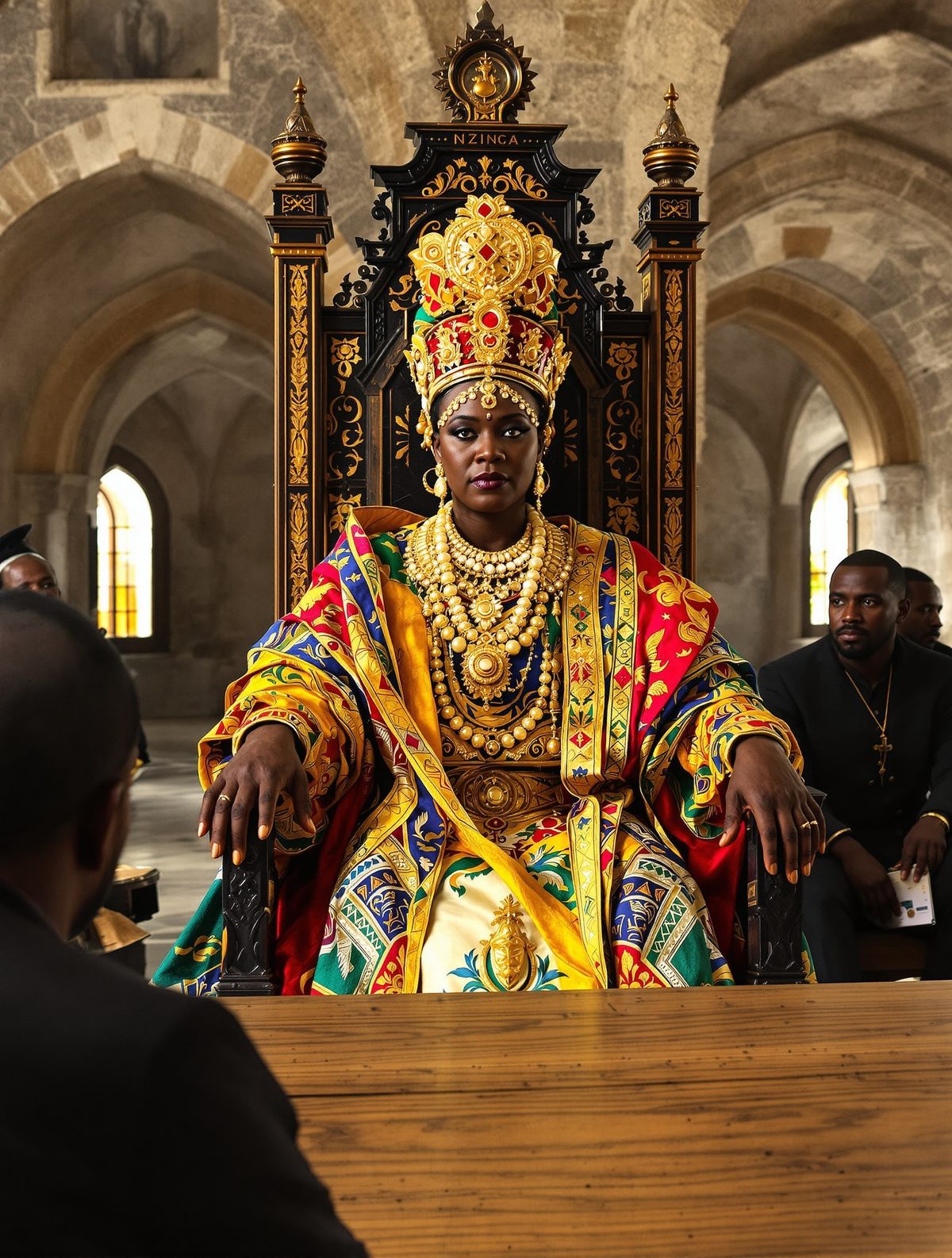
When the guards dragged their prisoners before Erik's throne, the king's blood must have frozen in his veins. There, dripping seawater and defiance, stood his greatest enemy. The man who had killed his son, raided his lands, and mocked his queen in verses that were still recited in drinking halls across Scandinavia.
Erik's decision was swift and merciless: Egil would die at dawn. But here's where the story takes its fascinating turn. Arinbjorn the Hersir, one of Erik's most trusted advisors and secretly Egil's friend, made a desperate intervention. He convinced Erik to offer the condemned man one final challenge—a test that played to both the king's vanity and the Norse culture's deep reverence for poetic skill.
The terms were simple yet seemingly impossible: Egil had until sunrise to compose a drápa—a formal praise poem of twenty stanzas—honoring the very man who wanted him dead. If the poem was deemed worthy, his life would be spared. If not, or if he failed to complete it, the executioner's axe awaited.
The Longest Night: Forging Poetry from Desperation
What followed was perhaps the most intense night of creative composition in literary history. Locked in his cell, Egil faced a challenge that would have broken lesser men. How do you praise someone you despise? How do you find genuine artistry when death breathes down your neck? And how do you satisfy the aesthetic demands of a sophisticated culture that valued poetic excellence above almost everything else?
Norse drápa poetry wasn't simple verse—it was among the most complex literary forms ever created. Each stanza required intricate internal rhyme schemes, alliteration patterns, and elaborate metaphors called kennings. A ship might be called "the sea-stallion," a warrior "the feeder of ravens," gold "the fire of the sea." The poet had to weave these elements together while maintaining both meaning and musicality.
But Egil had another problem: sincerity. Norse audiences could detect false praise like wolves scenting fear. The poem had to ring with genuine admiration, even as it flowed from the pen of Erik's mortal enemy. Somehow, Egil had to find truthful things to praise about a man he'd spent decades fighting.
As the hours crawled by, Egil drew upon every reserve of his poetic training. He began with Erik's undeniable prowess in battle, his skill as a naval commander, his success in claiming the throne of Northumbria. He wove in references to Norse mythology, comparing Erik to the gods themselves. Line by line, stanza by stanza, he built a literary monument to his enemy's greatness.
The Poem That Conquered Death
When dawn broke over York on that autumn morning in 948, Egil was ready. Brought before Erik's court in chains, he stood tall and began to recite. The poem he delivered—known today as Höfuðlausn or "Head-Ransom"—was nothing short of masterful.
The verses rolled forth with hypnotic power. Egil praised Erik as "the generous giver of gold," "the wolf-feeder in war," "the prince who makes paupers of enemies." He compared the king to Odin, the All-Father, and spoke of his victories with genuine artistic fire. The court listened in stunned silence as twenty perfect stanzas flowed from the lips of the condemned man.
Here's what makes this moment even more remarkable: Egil didn't just meet the minimum requirements. He exceeded them brilliantly. The poem showcased every advanced technique of skaldic verse—complex kennings, intricate sound patterns, and mythological allusions that demonstrated profound cultural knowledge. This wasn't just competent poetry; it was a virtuoso performance.
When Egil finished, the hall remained silent for a long moment. Then Erik Bloodaxe spoke the words that would save his enemy's life: "The poem is well-composed, and I accept it as payment for your life."
But Erik wasn't finished. In a move that shows just how deeply the poetry had affected him, he added a warning: "You are free to go, Egil Skallagrimsson, but never let me see your face again. If you return to my lands, not even the finest poetry will save you."
The Power of Words in a World of Swords
Egil walked free from York that morning, saved by the power of his own artistry. But the implications of his survival extend far beyond one man's clever escape from death. This story illuminates something profound about Viking culture that popular media often misses: these weren't simply brutal raiders obsessed with violence.
The Norse world valued intellectual achievement as highly as martial prowess. A great poem could make or break reputations, preserve memories for centuries, and yes—even save lives. The fact that Erik Bloodaxe honored his agreement despite his personal hatred shows the deep cultural reverence for poetic skill. In a society without widespread literacy, poets were the guardians of memory, the shapers of legacy, the ultimate arbiters of fame or shame.
Höfuðlausn survived because it was more than just a ransom payment—it was a masterpiece. Scribes copied it, storytellers memorized it, and scholars studied it. Today, nearly a thousand years later, we can still read Egil's desperate verses and feel the weight of that life-or-death moment.
The story also reveals the complex psychology of leadership in the medieval world. Erik didn't just want Egil dead; he wanted to be remembered as a king worthy of great poetry. By sparing the poet who had created a magnificent tribute to his reign, Erik ensured his own immortality in the verses of his greatest enemy.
In our modern world of social media and instant communication, Egil's story reminds us that words still possess extraordinary power. The right phrase at the right moment can change minds, heal wounds, or open doors that seemed permanently closed. Perhaps we've forgotten something the Vikings knew instinctively: that creativity and eloquence aren't just pleasant luxuries, but tools of survival as sharp as any blade.
Egil Skallagrimsson lived for decades after his brush with death in York, composing poems, fighting battles, and accumulating the stories that would fill one of Iceland's greatest sagas. But none of his later verses carried the weight of those twenty stanzas composed in a dungeon cell, with death waiting at dawn and only words standing between a warrior and his fate.