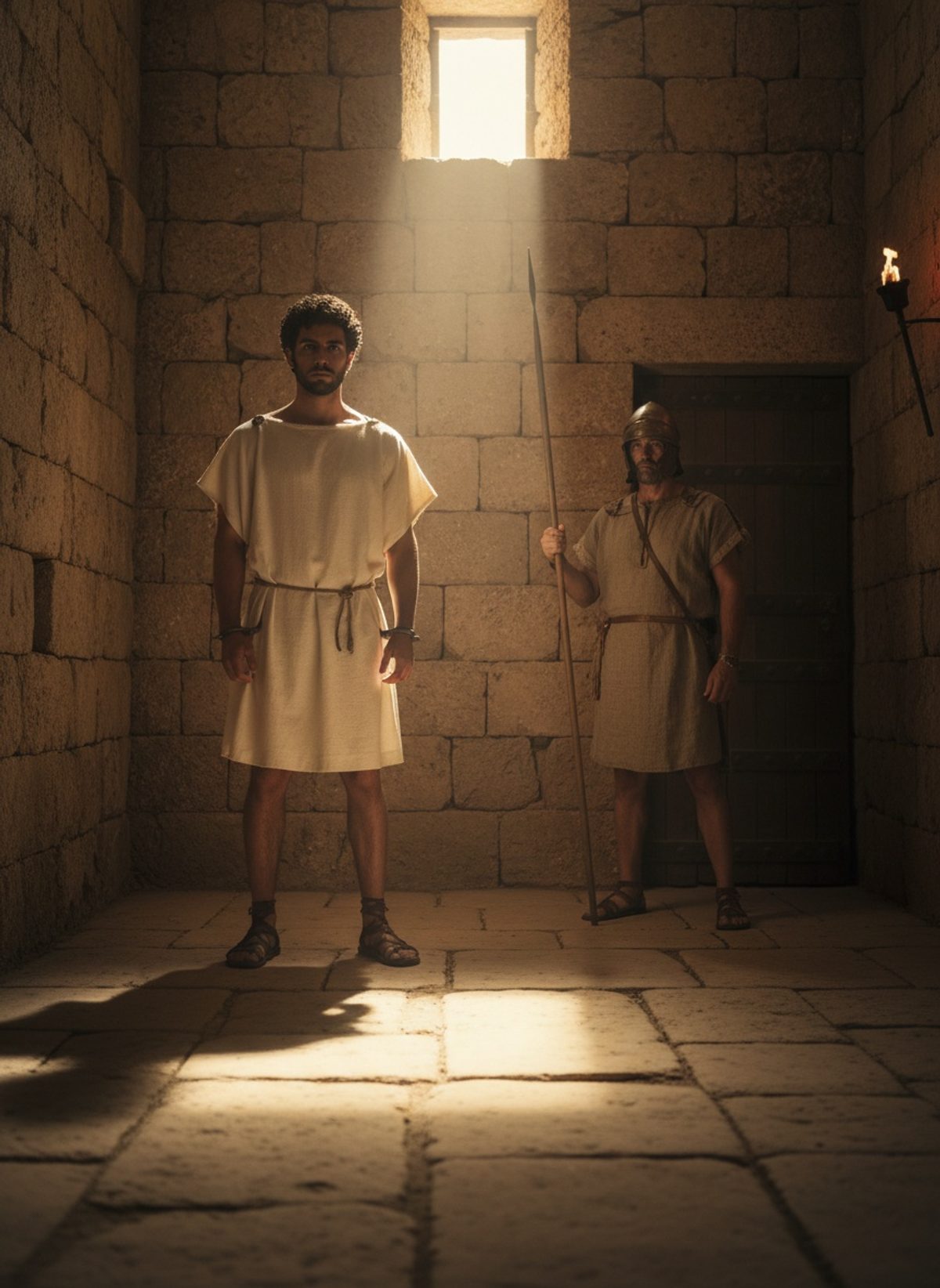
The sun cast long shadows over the rugged landscapes of ancient Syracuse, its rays filtering through olive groves and shimmering off the azure waters of the Ionian Sea. The city-state was a bustling hub of trade and culture, yet a thick tension clawed at its atmosphere—a tension borne of tyranny and fear. In this dramatic tableau, amidst the whispers of swaying cypress trees, an extraordinary tale of friendship and valor unfolded, challenging the very fabric of human loyalty and integrity.
The Despot and the Damned
Underneath the towering walls of Syracuse's formidable stone citadel, Dionysius the Elder ruled with an iron grip. His reputation for ruthlessness was known far and wide, often greeted with hushed voices in city marketplaces and amongst the sprawling mercantile docks. The tyrant had witnessed countless men plead for their lives, their spirits broken under the weight of chains and the certainty of the executioner’s sword. Yet, he had never encountered anything as baffling as what he was about to witness.
Enter Pythias, a man marked for death. His crime was gripping enough to condemn him under the gaze of Dionysius: he had dared to criticize the tyrant's governance, his rash policies, his iron-handed rule. The verdict was swift and unyielding—a sentence of death, stripped of time and mercy.
However, Pythias requested a single boon—a brief respite to bid farewell to his family. His plea was simple yet profound, echoing with an honest desperation. The cynicism that homecomings often promised as final escapes dissolved into sincerity with an unexpected twist. For even amidst the clang of chains, a remarkable event was set to unfold.
Offering his own freedom as the collateral of trust, Damon, Pythias's devoted friend, volunteered to be imprisoned himself. He would stand in his friend's place, while Pythias tarried for a heartfelt goodbye. The condition was stark and somber—should Pythias not return, Damon would embrace the grim fate instead. The offer was such that even Dionysius, ever the skeptic of human loyalty, was swayed. He granted the request, setting a date upon which Pythias must return or else seal his friend’s doom.
A Testament of Trust
The sun rose and set multiple times, its passage marking the hours of reprieve that Pythias was given. Consumed by uncertainty, the days stretched into a trial of endurance for Damon, confined behind bars, yet unwavering in his belief and hope. Around him, the air of the dungeon seemed to grow thicker, the shadows longer, resonating with the silent tick of time.
Rumors buzzed around the city like bees—would Pythias honor his word, or was Damon’s sacrifice the folly of a naive heart? Silence followed in his cell, punctuated only by distant echoes of daily life in the city above—laughter feigned to cover fear, murmurings of admiration intermingled with pity.
And then, just as the sun began its descent on the appointed day, casting golden hues over the harsh stone corridors, a figure emerged from the shimmering heat haze. Wearied from travel but resolute in his step, Pythias returned. He bore evidence of his journey's trials—the dust of the road upon his clothes, the fatigue of miles in his eyes—but most tellingly, he bore the weight of keeping his promise, the hallmark of a true friend.
Dionysius, rendered a mere observer to this extraordinary display of fidelity, was faced with a rare emotion: awe. The return of Pythias was not just a pledge fulfilled but a transformative spectacle that contradicted his hardened beliefs about human nature. Here was proof of an incorruptible bond, of promises unfragile even under the threat of looming death.
Freedom's Unlikely Path
The return of Pythias was met with a wave of disbelief throughout the court, a scene of living myth, transcending the philosophies that governed Greek thought. It was a testament to ideals that seemed unreachable—truth, loyalty, sacrifice. It paused hardened men and cynical courtesans alike, crafting a moment to be etched into collective memory.
Moved beyond his own understanding, Dionysius ordered their release. In an act uncharacteristic of his reign, he set both friends free, sparing the life that stood in loyalty's light. Here was power bent to the mercy of something infinitely greater than its own reach—that of a true, unshakeable bond.
This simple yet profound chapter of history affords a glimpse into the possibilities that lie within human nature, challenging cynicism and despair. Beneath power, above ruin, these two friends illuminated a path through which tyranny itself seemed brittle and humbled. The streets of Syracuse would buzz with tales of Damon and Pythias, their names forever woven into the fabric of the city—a legacy of ideal friendship amidst oppression's shadow.
The story of Damon and Pythias begged questions that transcended time—What truly binds us? Is there a higher justice that governs beyond the edicts of tyrants? In every generation since, these moral inquiries continue to resonate, inspiring when hope feels most distant. It's a narrative that offers not a prescription, but a possibility—one where the triumph of character over circumstance crafts an eternal symphony of the human spirit.