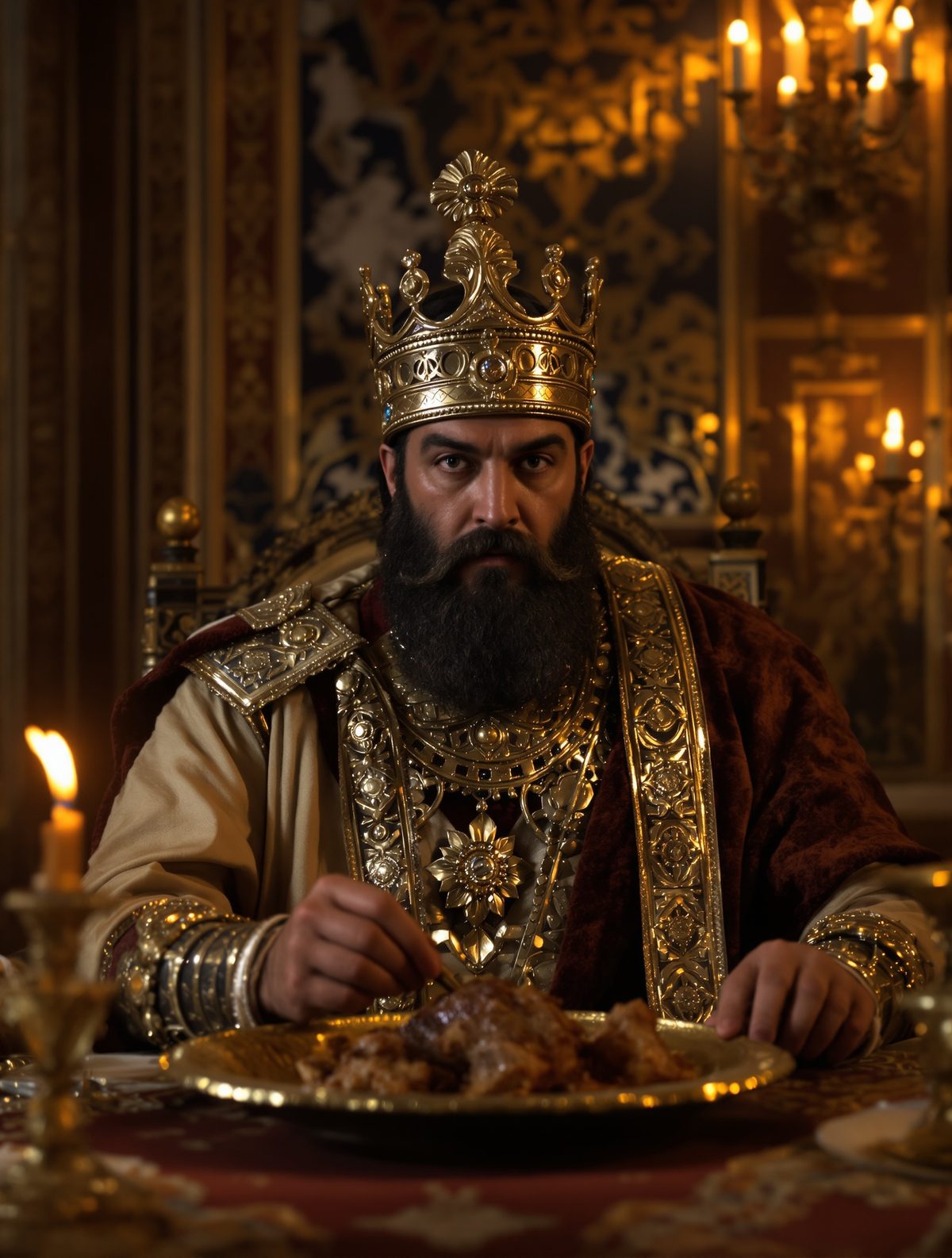
The head and hands were still dripping blood when Mark Antony's soldiers nailed them to the Rostra—the very platform where Marcus Tullius Cicero had delivered his most devastating speeches. It was December 7th, 43 BC, and Rome's greatest orator had finally been silenced. But the grotesque display wasn't just revenge; it was a message. In ancient Rome, crossing the wrong politician didn't just cost you your career—it could cost you everything.
What made this execution particularly chilling wasn't just its brutality, but its precision. Antony didn't simply want Cicero dead; he wanted the very instruments of his eloquence destroyed. The hands that had written speeches powerful enough to turn the Roman people against him. The mouth that had spoken words so cutting they could topple reputations and ignite civil wars. This wasn't just murder—it was the systematic dismantling of the most dangerous weapon in the ancient world: rhetoric.
The Silver-Tongued Destroyer
Marcus Tullius Cicero wasn't born into Rome's elite circles. The son of a wealthy landowner from Arpinum, about 60 miles southeast of Rome, he had to claw his way up through Roman society using the only weapon he possessed: his extraordinary gift for words. By 63 BC, this provincial outsider had talked his way into the consulship—the highest office in the Roman Republic.
But Cicero's real genius wasn't just in persuasion; it was in destruction. When he delivered his famous Catiline Orations in 63 BC, exposing a conspiracy to overthrow the government, he didn't just present evidence—he eviscerated his opponents so thoroughly that Catiline fled Rome in shame. Cicero's opening words became legendary: "How long, Catiline, will you abuse our patience?" The conspirator was so humiliated he couldn't even respond.
Here's what they don't teach you in school: Cicero essentially invented the political takedown. His speeches weren't just arguments; they were character assassinations so thorough and so public that they could end careers instantly. In a society where reputation meant everything, Cicero had weaponized shame itself.
Enter the Triumvirate: When Words Met Their Match
Cicero's verbal supremacy worked beautifully—until he faced opponents who preferred swords to syllables. In 60 BC, three of Rome's most powerful men formed a secret alliance that would change everything: Julius Caesar, Pompey the Great, and Marcus Crassus. This "First Triumvirate" wasn't official, but it controlled Roman politics through sheer force and wealth.
For the first time in his career, Cicero found himself outmaneuvered. When he tried to oppose them, they didn't engage in debate—they sent him into exile. In 58 BC, Cicero fled Rome, his house destroyed, his property confiscated. The man who had never lost a verbal battle had learned a harsh lesson: words only work when your opponents agree to fight with words.
But here's the fascinating part: even in exile, Cicero remained dangerous. His letters to friends in Rome were so compelling, so emotionally manipulative, that they generated a groundswell of support for his return. Within eighteen months, he was back, proving that even when physically absent, a master rhetorician could still shape political reality.
The Ides of March: A Republic in Ruins
Everything changed on March 15th, 44 BC. When Caesar fell under the senators' knives at the Theatre of Pompey, Cicero wasn't among the conspirators—but he might as well have been dancing on the dictator's grave. Finally, the Republic he loved could be restored. Finally, government by debate could triumph over rule by force.
Cicero was 62 years old, but Caesar's assassination energized him like nothing had in decades. He saw himself as the elder statesman who would guide Rome back to its republican traditions. There was just one problem: Marcus Antonius, better known to history as Mark Antony, Caesar's lieutenant and heir to his political machine.
What most people don't realize is that Antony initially tried to work with Cicero. In the chaotic months following Caesar's death, Antony needed legitimacy, and Cicero's endorsement would have provided it. But Cicero smelled weakness, and like a shark detecting blood in the water, he moved in for the kill.
The Philippics: Verbal Warfare at Its Deadliest
Beginning in September 44 BC, Cicero launched what would become his most famous—and fatal—series of speeches. He called them the Philippics, after the ancient Greek orator Demosthenes' speeches against Philip of Macedon. But these weren't just political criticisms; they were systematic character demolitions delivered with surgical precision.
In his second Philippic, delivered to the Senate, Cicero didn't just attack Antony's policies—he attacked everything about the man. He mocked his drinking habits, his sexual relationships, his intelligence, even his physical appearance. He called Antony a drunkard, a coward, and a puppet. He accused him of corruption, stupidity, and destroying Roman dignity. The speech was so vicious that Antony's supporters walked out in embarrassment.
But here's the detail that makes this story incredible: Antony wasn't even present for the worst of these attacks. Cicero was essentially conducting a one-sided assassination of Antony's character, and it was working. Public opinion began turning against Caesar's lieutenant. Senators who had been neutral started choosing sides. Cicero's words were literally reshaping the political landscape of Rome.
The most devastating aspect of the Philippics was their timing. Antony was trying to consolidate power while facing threats from Caesar's heir, young Octavian (the future Emperor Augustus). Cicero's relentless verbal assault weakened Antony precisely when he needed to project strength. It was political warfare conducted through rhetoric, and Cicero was winning.
The Proscription: When Politics Becomes Personal
Cicero's victory was short-lived. In November 43 BC, the impossible happened: Antony and Octavian, despite their rivalry, joined forces with another general, Lepidus, forming the Second Triumvirate. Unlike the first, this alliance was official, legal, and absolutely ruthless.
Their first act was to publish proscription lists—essentially death warrants posted publicly throughout Rome. Citizens could kill anyone on these lists with impunity and claim rewards for their heads. It was state-sanctioned murder disguised as policy, and Cicero's name was at the top of Antony's list.
Here's what's chilling about this moment: Octavian initially tried to protect Cicero. The young man owed his political rise partly to Cicero's support and genuinely respected the older statesman. But Antony was immovable. In the negotiations to form the triumvirate, he reportedly said he would only join if Cicero died. Octavian, calculating and cold even at 19, agreed to sacrifice his mentor for political power.
The Final Hunt: Death of a Voice
When Cicero learned of the proscription, he initially tried to flee to Macedonia. But travel was dangerous, and the 63-year-old orator was exhausted by decades of political warfare. On December 7th, 43 BC, as his litter carried him toward the coast near Formia, soldiers led by centurion Herennius caught up with him.
What happened next has become legend, though the exact details vary by source. According to Plutarch, when Cicero saw the soldiers approaching, he ordered his bearers to stop. He stretched his neck out of the litter, making the executioner's job easier. His last words were reportedly: "There is nothing proper about what you are doing, soldier, but do try to kill me properly." Even facing death, he couldn't resist a rhetorical flourish.
But the real horror came after. Following Antony's explicit instructions, the soldiers cut off Cicero's head and both hands—the instruments of his oratory. When they brought these grisly trophies to Antony in Rome, the general's wife, Fulvia, allegedly pulled out Cicero's tongue and stabbed it repeatedly with her hairpin, cursing the words that had humiliated her husband.
The head and hands were then nailed to the Rostra in the Forum, where Cicero had delivered his greatest speeches. Roman citizens, walking through the heart of their city, were confronted with the decomposing remains of the Republic's greatest voice. The message was unmistakable: this is what happens to those who oppose us.
The Republic Dies with a Whisper
Cicero's death marked more than the end of one man's life—it signaled the death of the Roman Republic itself. With him died the idea that words could compete with swords, that debate could triumph over force, that a brilliant orator could shape the destiny of the ancient world's greatest empire.
The bitter irony is that Antony's revenge was ultimately pointless. Within a decade, Octavian had destroyed him just as thoroughly as Antony had destroyed Cicero. By 31 BC, both Antony and Fulvia were dead, while Octavian reigned as Augustus, the first Roman Emperor. The Republic Cicero had died defending was buried forever, replaced by the imperial system he had fought his entire life to prevent.
But perhaps the greatest tragedy isn't that Cicero died for his speeches—it's that his death proved the futility of his entire worldview. He believed in the power of reason, the supremacy of law, the possibility that good arguments could defeat bad policies. His execution on that December morning demonstrated that in the real world, violence trumps eloquence, and the man with the most swords gets to decide what words mean.
Today, when we see political discourse reduced to tweets and soundbites, when reasoned debate gives way to personal attacks, when opponents are silenced rather than answered, we might remember Marcus Tullius Cicero. He shows us both the incredible power of words to shape our world—and the terrifying ease with which that power can be destroyed by those who prefer simpler, more final solutions. The head nailed to the Forum wall reminds us that the pen may be mightier than the sword, but only when everyone agrees to fight with pens.