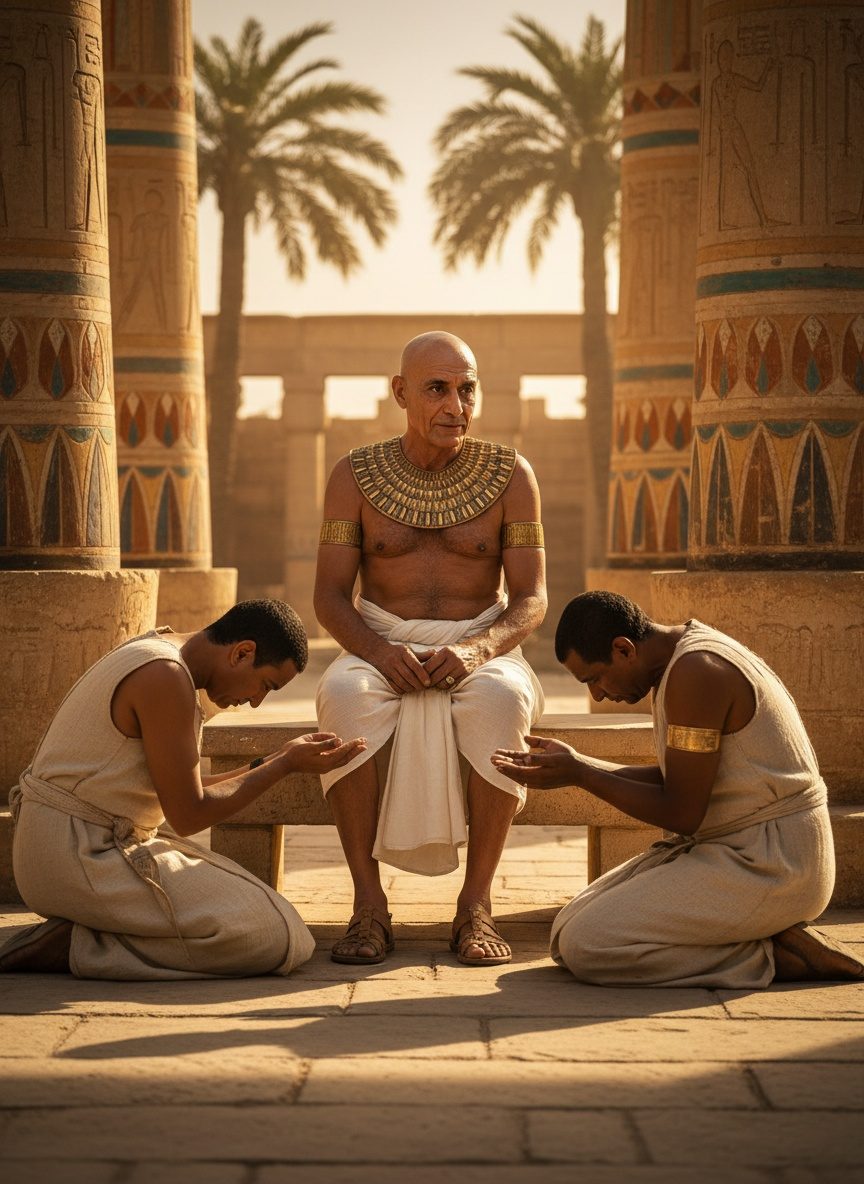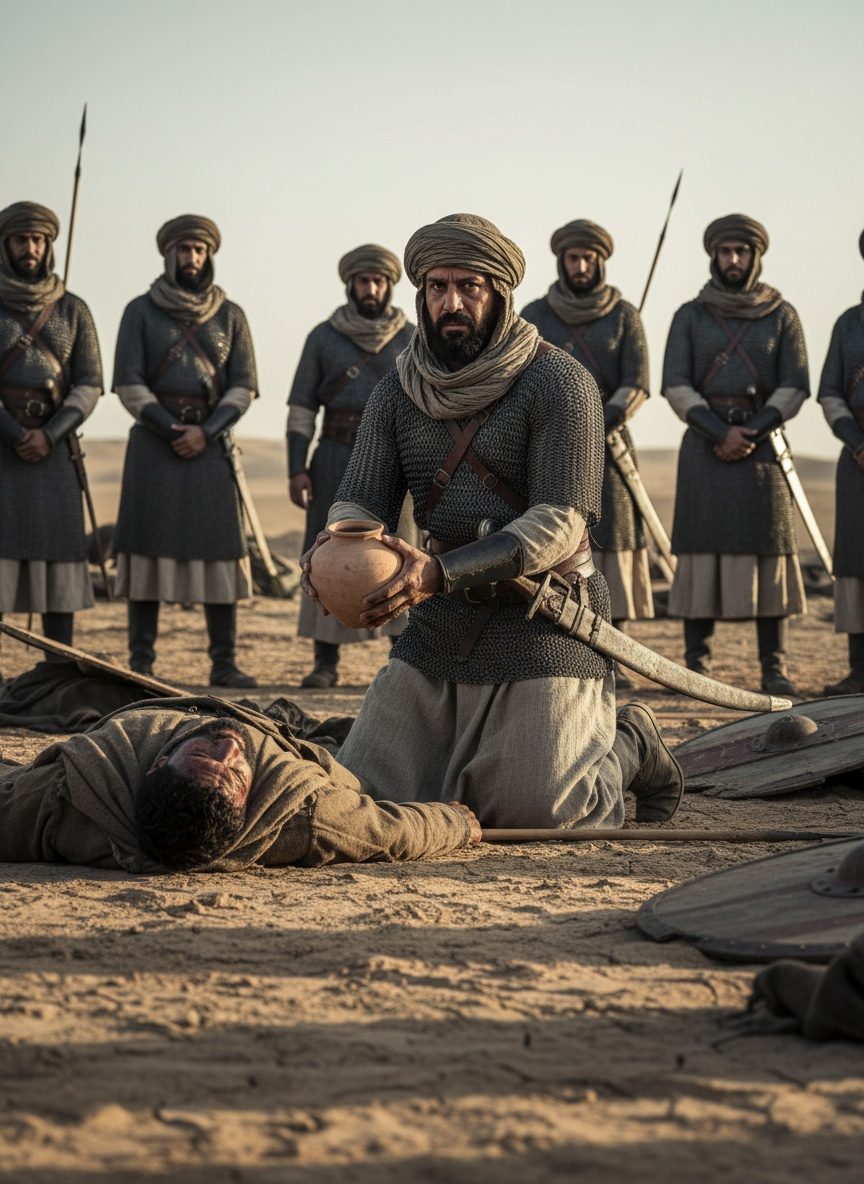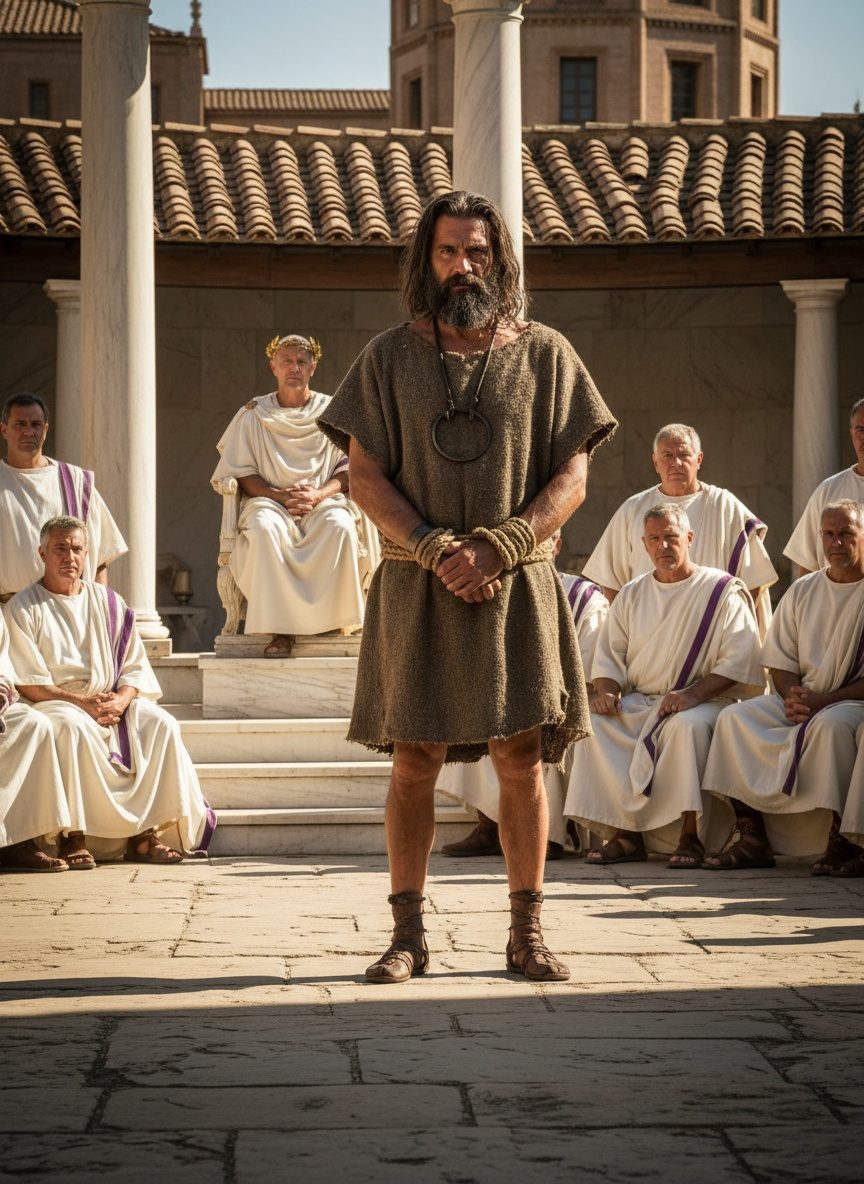
He was a prisoner sentenced to face humiliation, not absolution. Yet, Caractacus would leave Rome as a free man, not a condemned one.
A Man Who Would Not Bow
In a grand parade through the streets of Rome in 51 CE, a host of Romans gathered, their eyes fixed on the spectacle orchestrated by Emperor Claudius. The central figure of this procession was not a victorious Roman general draped in laurel leaves, but rather a defeated adversary from a distant isle: Caractacus, a British chieftain. After nearly a decade-long defiance against the inexorable might of Rome, Caractacus found himself in chains, a tangible symbol of Rome's victory and unyielding power.
The scene was as splendorous as it was somber. The full glory of Rome was on display, with legions of soldiers clad in polished armor, the air filled with the resonant trumpeting of horns. Yet, the British leaders, captured along with Caractacus, marched not to acclaim, but to shame. In this pinnacle of humiliation, most were expected to grovel for their lives. But Caractacus was not a man broken by chains, nor was he one to bend his will. He did not plead, not even when the heir of his legacy depended upon it.
The Man Behind the Defiance
Long before his capture, Caractacus had become a formidable thorn in Rome's side. He was a leader who embodied the spirit of tribal Britain, fiercely protective of his land and people. The struggle took place at the fringes of Rome’s vast empire, in the heart of the British Isles, where dense forests and rolling hills bore witness to clashes of swords and shields. For nine relentless years, Caractacus led a resistance movement against the encroaching Roman forces, becoming a beacon of hope and resilience for his people.
The tribes of Britain, including Caractacus's own, had not been idle spectators. The Britons were adept warriors, skilled in guerrilla tactics that exploited the familiarity with their own rugged terrain. This mastery allowed them to strike swiftly and melt back into the mist-covered landscapes. Caractacus, renowned for his leadership and tenacity, became an emblem of Celtic resistance, uniting various tribes in a daunting struggle against the tide of Roman domination.
Rome’s Greatest Spectacle: The Triumph
Back in Rome, the trajectory of Caractacus’ life seemed set towards an unavoidable end. The Roman Triumph—a glorified victory parade—ordinarily concluded with the execution of the defeated leader, serving as a grim reminder of Rome's supreme authority. It was a fate that loomed over Caractacus as he was led into the heart of the empire, surrounded by the grandeur of marble columns and an insatiable crowd eager for spectacle.
Yet, amidst the theatricality of his captors’ celebration, Caractacus refused to succumb to despair. Instead of the defeated adversary they anticipated, he appeared before them with an unbending spirit, his gaze unwavering even as he faced the Roman Emperor himself, Claudius. There, amid the acclamation of Roman citizens expecting his abasement, Caractacus delivered a speech of remarkable eloquence and dignity, so striking that it reverberated through the annals of Roman history.
A Question That Stunned an Empire
Caractacus had one chance before the Roman Senate—a rare opportunity granted to few enemies of the Empire—a chance to speak. His words were neither a plea for forgiveness nor a recitation of complaints but rather a dramatic appeal that pivoted on the values of honor and courage. He reminded the Romans of their admiration for boldness and valor, qualities he had demonstrated through his tenacious resistance in Britain.
His pivotal question was not one of desperation, but of honor: Why should Rome kill him, and in so doing, extinguish a living testament to the greatness of their conquest? Captivated, the audience listened as Caractacus extolled the virtues of their own culture, suggesting that extinguishing such a defiant spirit would only diminish the glory of Rome’s victory.
Claudius, confronted with such audacity and persuasion, chose a path unexpected by all. Rather than condemn Caractacus to death, the Emperor was moved to grant him clemency, sparing his life and granting him freedom. Such an act of mercy was unprecedented for a leader positioned as Rome’s adversary, highlighting the extent to which Caractacus had captured even the Emperor’s respect through the sheer force of his character.
The Legacy of a Defiant Spirit
As Caractacus walked free, his legend had only grown. His release was no small triumph; it was a powerful testament to the strength of his spirit, the kind that could sway even the most unyielding empire in history. The story of Caractacus is one of resilience and defiance, echoing through time as a reminder of the power of human dignity and integrity. It was his unbowed spirit that captivated his enemies, turning defeat into a lasting narrative of resistance respected even by his oppressors.
Why, then, does the tale of Caractacus still resonate through the corridors of history? It stands as a testament not only to the personal courage of one man but also to the enduring power of words and deeds to transcend chains and influence worlds. Caractacus' story is a beacon reminding us that even in the depths of despair, conviction and honor can carve paths unimagined, altering the tides of fate with nothing more than the strength of character and the eloquence of voice.