A Different Kind of Power
Amenhotep son of Hapu was no ordinary man in ancient Egypt. Born in the 18th Dynasty, around 1350 BC, his rise to prominence was not through bloodline or battle prowess but through intellect and integrity. While others sought favor with the gods by amassing wealth or commanding armies, Amenhotep carved his legacy differently. Among the opulent walls of temples and the colossal statues he designed, voices of the people found echoes through his court, a space more accustomed to the hushed footsteps of weary souls than the blare of trumpets.
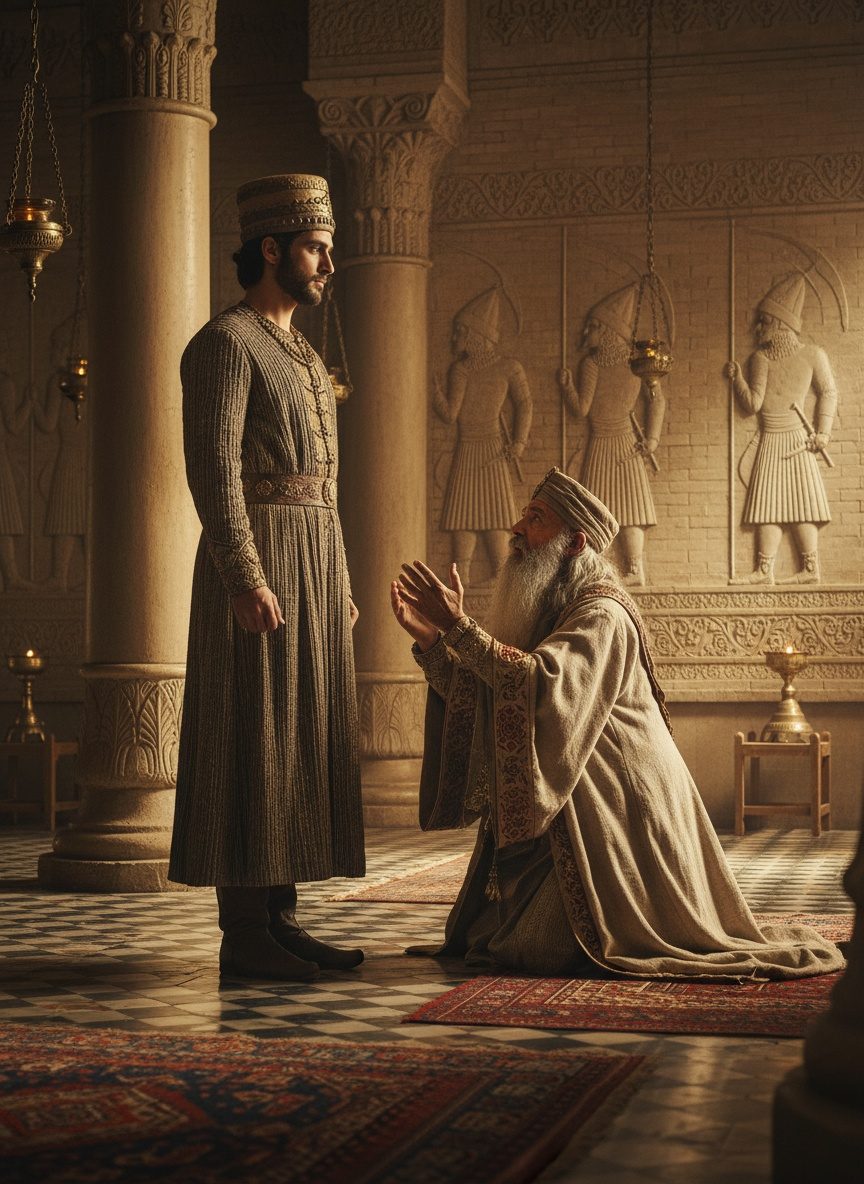
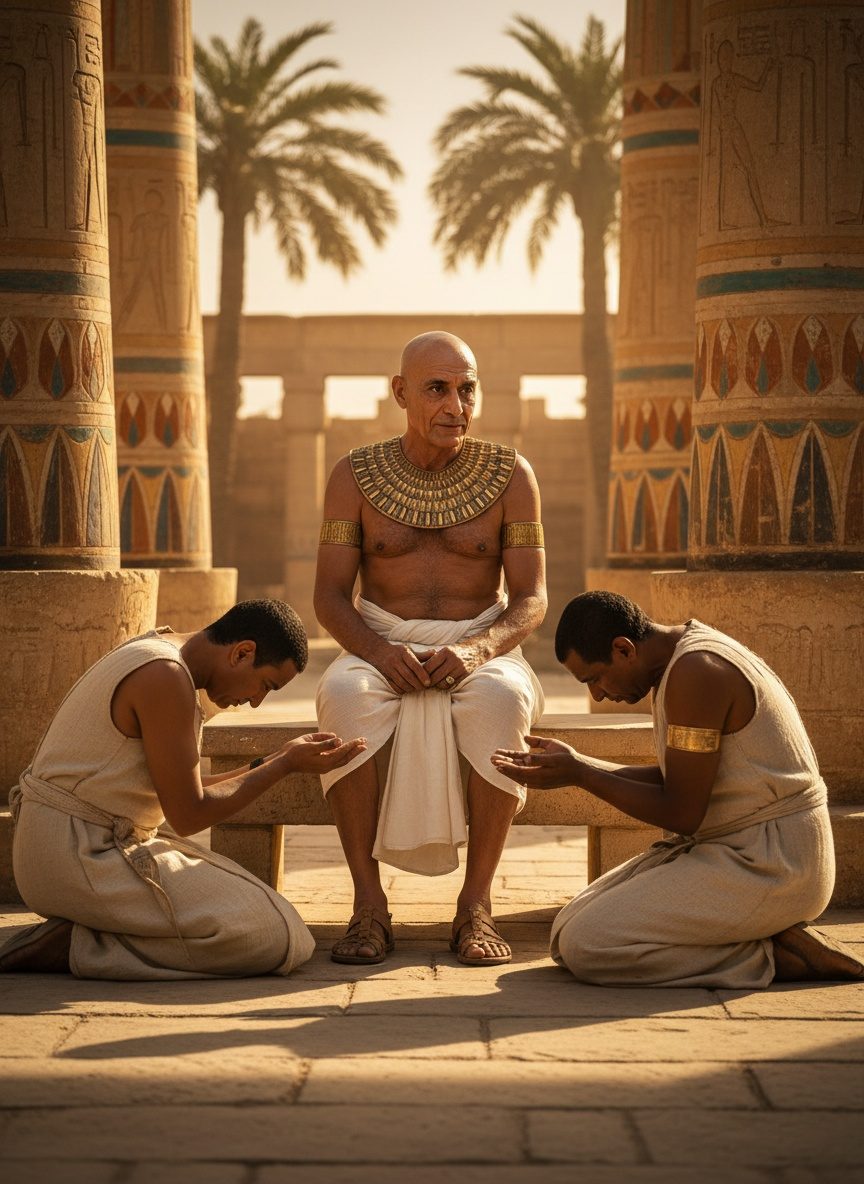
In the thriving city of Thebes, he held the revered title of "royal architect," a position of immense stature. This role afforded him influence akin to that of nobles and gave him the ear of Pharaoh Amenhotep III. Yet, unlike many in power, he understood that true legacy was built not only through grand monuments but through actions that touched lives. Such was his vision that his own house doubled as a sanctuary where the downtrodden were heard—an uncommon practice in an era when the divine favor bestowed upon the Pharaohs rarely trickled down to the common folk.
The People's Advocate
As the architect who orchestrated the physical prayers to the gods through magnificent creations, Amenhotep also structured a more tangible service—offering justice and healing to the impoverished. Where others might shun the sickly, Amenhotep opened his courts. Where injustice reared its head, he wielded influence to make things right. It was this duality, blending the physical and metaphysical, that set him apart from his peers. The poor, often invisible in the shadow of the elite, saw him as a beacon of hope, and their reverence turned into loyalty, their loyalty into silent hymns of gratitude at his steps.
Amenhotep’s audiences were not mere formalities; they were compassionate deliberations, where each case was weighed with empathy. He listened intently to grievances—from disputes over land to ailments that plagued the humble farmers—and sought resolutions that honored both law and compassion. His wisdom, combined with an understanding of the divine laws and earthly ones, allowed him to address issues that others dismissed. In a society where the gods were believed to hold the strings of fate, Amenhotep’s dedication to earthly matters was both groundbreaking and humane.
The Divine Recognition
For his services to man and deity alike, Amenhotep earned a distinction unparalleled among Egyptian commoners: a mortuary temple dedicated just to him, standing alongside the pantheon of gods. This was not a mere architectural homage; it was a celestial acknowledgment of a mortal's deeds, an echo of gratitude from a grateful populace. Egyptian culture, steeped in tradition and hierarchy, had never before exalted a commoner in this manner, and it might never do so again. This rare honor was a testament not just to his achievements in life but to the enduring legacy he left behind.
The temple was intricately designed, a symbol of his life's work, featuring reliefs and inscriptions that depicted his virtues and accomplishments. It attracted pilgrims who sought enlightenment and whispered prayers to Amenhotep, not just as a man, but as a custodian of justice who had walked among them, known their struggles, and changed their destiny. This celestial tribute served as a bridge between the earthly and the divine, fostering a legacy that transcended the mortal realm.
Why Amenhotep's Story Still Matters
Amenhotep son of Hapu's tale is not merely an account of a gifted architect but a narrative of empathy applied in a structured society. While crafted obelisks and towering statues told the stories of great Pharaohs, Amenhotep left behind a human legacy. In a world where the fate of the many was often decided by the few, his actions offered a glimmer of equity—a reminder that justice and compassion could indeed flow from those wielding power.
Each era must reckon with its own inequities, and the story of Amenhotep offers timeless wisdom: power extracted from the masses is best served back to them. While time has worn away the sandstone of the temples he crafted, his principles remain as enduring as the Nile itself. His life, much like the flowing river, demonstrates how one person's compassion can create ripples that touch countless lives. In a history dominated by rulers and warriors, Amenhotep stands as a quiet but powerful testimony that real strength lies in listening to the whispers of the voiceless and championing their cause.