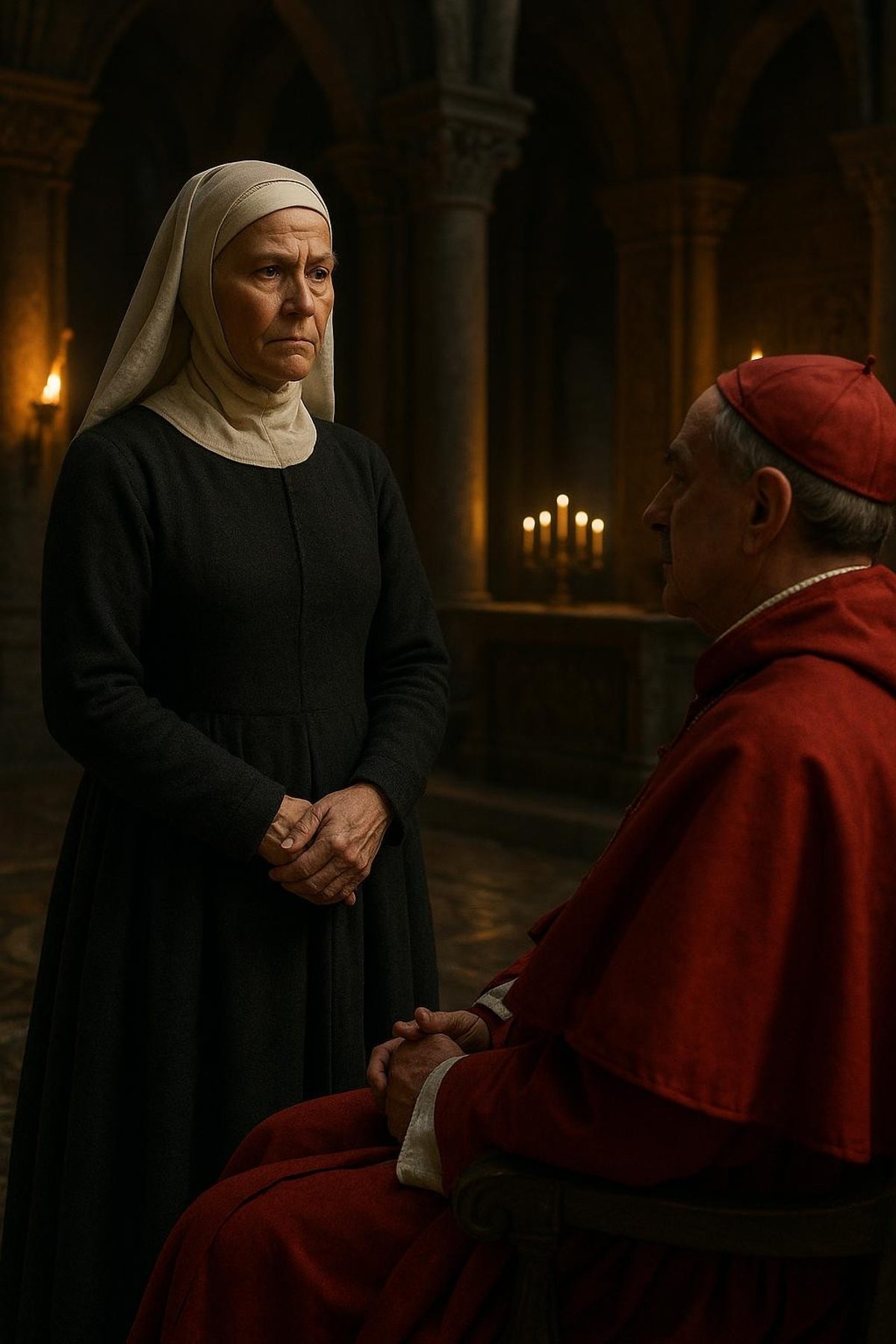
1350. The sun cast a warm golden hue over the streets of Rome as pilgrims flooded the city for the Jubilee Year.
The Unlikely Messenger
In a time when women were often relegated to the shadows of history, Birgitta of Vadstena stood out with an unmistakable clarity. Her path to Rome was not driven by earthly ambition or the backing of powerful allies; instead, she arrived armed only with her faith and a profound conviction in her divine mission. As a widow from Sweden, a distant land to many in Italy, Birgitta appeared an unlikely messenger to confront the papal court.
Traveling from the vibrant northern landscapes of Sweden to the heart of Christendom, she was a sight that caught the attention of many. Her journey itself was a testament to her unyielding spirit. Draped in the humble attire of a widow, she carried with her letters comprised of stark admonishments couched in fervent religious belief. This mix of humility and holy authority was direly unconventional. Birgitta's mission was clear: to implore the Pope to return to Rome from Avignon, where he had languished amidst the marble halls and lavish decadence far removed from the spiritual heart of his domain.
What many did not expect, however, was that this woman, without title or army, would possess the resonance to potentially sway the dynamics of one of the most significant institutions of her time. The Avignon Papacy had marked a period identified by division and discontent, where the papal seat's absence from Rome had left an indelible impact. Birgitta, a devout visionary, perceived this absence as not only a physical misstep but a spiritual and moral failing on behalf of the Church's leadership.
Words that Stirred the Soul
It's often said that the pen is mightier than the sword. For Birgitta, her letters were weaponry in an ideological battle that demanded change. In the hands of Birgitta, these letters were more than ink on parchment; they were pronouncements believed to be divinely inspired, a fact that lent them significant weight. Her dispatches did not mince words, weaving together divine prophecy with pragmatic demands. Perhaps it was their plainspoken urgency that was impossible to dismiss. For in her, many believed echoed the voice of the divine, unadulterated by ambition.
Her approach was direct. Birgitta openly criticized the moral corruption caused by the lengthy absence of the papacy from its spiritual home. She described visions that guided her messages, visions that were no doubt deeply alarming to those with ears to truly hear them. Her tone was neither furtive nor excessively reverent for the sake of politeness. Instead, she wrote as one compelled by a higher calling to deliver truths, however uncomfortable. It was a position that likely made many in power uneasy.
As the messages made their way through the ecclesiastical corridors, it's said the Pope himself was moved—not just by Birgitta's bold assertions but by the groundswell of belief she inspired among the faithful. Her visions, paired with the ever-growing clamor for the Pope’s return, captured a spirit of change, adding a hew of legitimacy to what might otherwise have been stifled dissent. In an era where the authority of the Church was never questioned lightly, Birgitta's urgent call was a seismic tremor in a landscape begging for reform.
A Call Answered
As history carefully unfolded, Birgitta’s words found their mark. The embers of change they ignited were not easily extinguished. Though not immediate, her call was ultimately heeded. The return of the Papacy to Rome marked a turning point for the Church—one that many had called for, yet few had been able to effect.
Birgitta's visit and letters sparked a movement that carved her persona into the annals of history. The return of the Papacy exposed the latent power of conviction and faith that lay within those often deemed powerless. Birgitta had issued a divine challenge, and through persistence and an unshakeable belief in her cause, she began to alter history’s course. Her legacy underscores a rare historical pivot where spiritual guidance transcended political maneuvering.
What remains fascinating about Birgitta’s story is not just the outcome, but the audacity of belief in an era known for rigid stratification. Her singular voice reached through castles, over the Alps, and into the heart of Christendom’s hierarchy, sparking a legacy of divine intervention that sustained long after her departure from this earthly realm. Her pilgrimage from the edges of Europe to its very heart reveals a powerful tale of change driven by conviction, suggesting that indeed, spirit and persistence are forces as potent as any army.