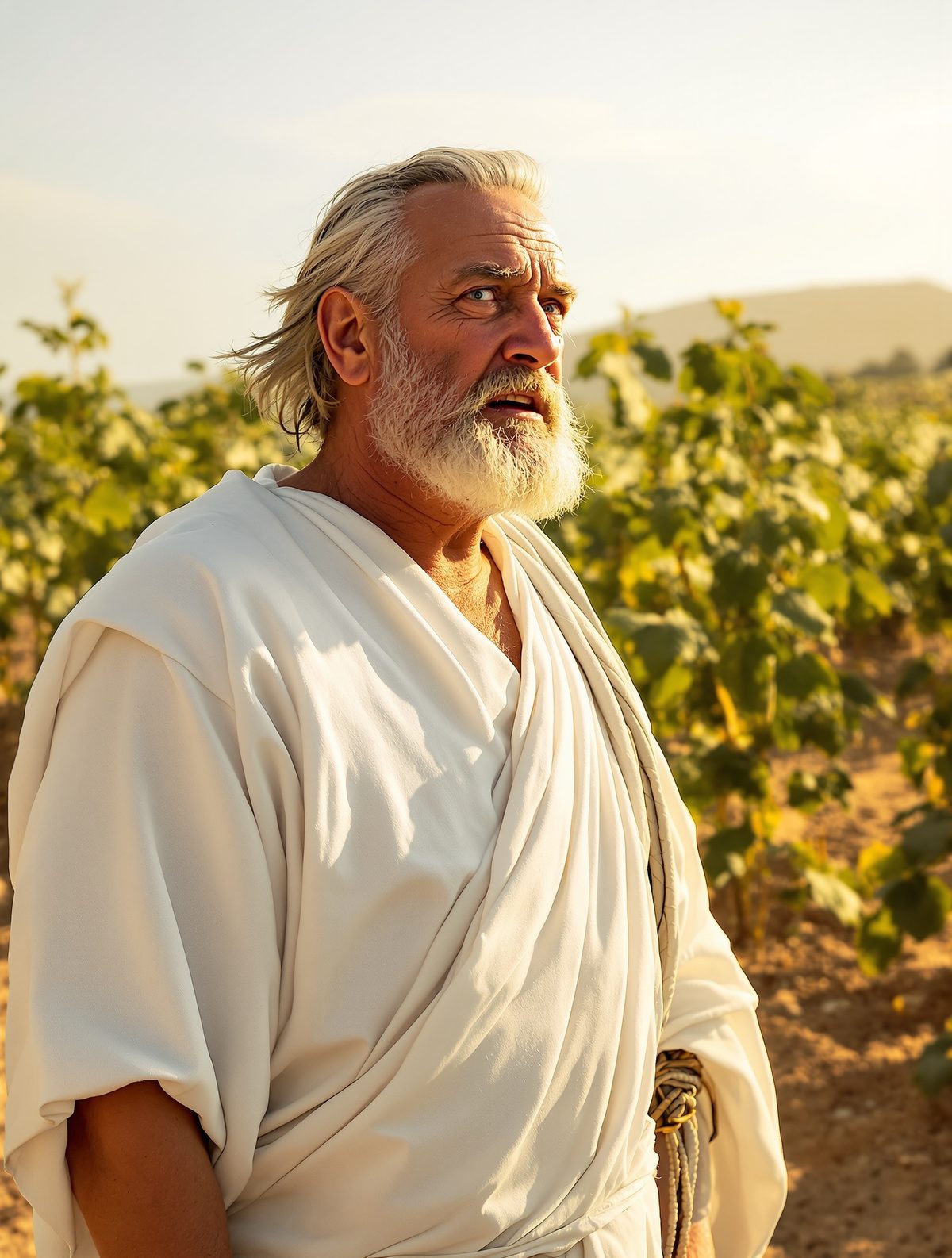
The torchlight flickered across the golden walls of Persepolis as Persian spies dragged their prisoner through the marble corridors. It was 362 BC, and they carried with them evidence that would normally seal a man's fate: detailed plans for regicide, correspondence with enemy agents, and a conspiracy that reached to the very heart of the Persian Empire. But the prisoner wasn't just any traitor—he was Tiribazus, one of King Artaxerxes II's most trusted generals, a man who had dined at the royal table and commanded armies in the king's name.
What happened next in that throne room would defy every expectation of ancient justice and reveal the extraordinary character of one of Persia's most remarkable rulers. In an age when betrayal meant certain death and mercy was seen as weakness, Artaxerxes II was about to make a decision that would transform his greatest enemy into his most devoted protector.
The King Who Refused to Die
Artaxerxes II had already survived more assassination attempts than most rulers could count. When he ascended to the throne in 404 BC, he immediately faced the greatest challenge of his 46-year reign: his own brother Cyrus the Younger, who led 13,000 Greek mercenaries and 100,000 Persian troops against him at the Battle of Cunaxa in 401 BC. Though Cyrus died in battle and Artaxerxes emerged victorious, the young king learned a harsh lesson—in the Persian Empire, everyone was a potential threat.
The empire Artaxerxes inherited stretched from the Indus River to the Mediterranean Sea, encompassing roughly 2.1 million square miles and dozens of ethnic groups, each with their own ambitions and grievances. Rebellions erupted constantly: Egypt revolted and remained independent for nearly 60 years, while satraps (provincial governors) across the empire plotted against the crown with alarming regularity.
Yet Artaxerxes possessed something that set him apart from his predecessors—an almost supernatural ability to inspire loyalty even among his enemies. Contemporary Greek historians, typically dismissive of Persian "barbarians," grudgingly admitted that Artaxerxes commanded unusual respect. He had a gift, they wrote, for seeing the man beneath the treason.
The General's Gambit
Tiribazus was no ordinary conspirator. This was a man who had served the Persian crown for over two decades, crushing rebellions from Armenia to Egypt. As satrap of Armenia, he commanded one of the empire's most strategic provinces, controlling crucial trade routes and buffer territories against northern barbarian tribes. His military record was impeccable—he had personally saved the empire millions of drachmas in tribute and prevented countless potential invasions.
But by 362 BC, something had changed. Perhaps it was the constant pressure of managing a restive province, or maybe the influence of Greek mercenaries who whispered about the weakness they perceived in Persian leadership. Ancient sources suggest that Tiribazus had been in secret communication with Spartan agents, who promised him significant gold reserves and military support if he could eliminate Artaxerxes and install a more pliable ruler.
The plot was sophisticated and nearly flawless. Tiribazus planned to strike during the festival of Nowruz, when the king would be surrounded by crowds and relatively vulnerable despite his guard. The assassination would be followed by a swift coup, with Tiribazus installing Artaxerxes' younger son Ochus as a puppet ruler while maintaining real power behind the throne.
There was just one problem: the Persian intelligence network was far more sophisticated than Tiribazus realized.
The Moment of Truth
The scene in the throne room was electric with tension. Guards lined the walls, their spears gleaming in the lamplight, while court officials whispered nervously among themselves. This was the moment that would define Artaxerxes' reign—and possibly determine the fate of the Persian Empire itself.
According to the historian Plutarch, who interviewed Persian court witnesses decades later, Artaxerxes sat motionless on his golden throne as the evidence was presented. Letter after letter was read aloud, each one more damning than the last. Maps showing proposed troop movements, correspondence discussing the timing of the assassination, even detailed plans for managing the succession crisis that would follow the king's death.
Tiribazus stood in chains, his military decorations stripped away, facing what everyone assumed would be his final moments. Persian law was clear: treason against the King of Kings carried only one penalty. The condemned would be flayed alive, then fed to wild animals while still breathing. It was a death designed to serve as a warning to future conspirators.
But as the final piece of evidence was presented, something extraordinary happened. Artaxerxes rose from his throne, walked down the marble steps, and stood directly in front of his would-be assassin. The king studied Tiribazus for a long moment, then did something that left the entire court speechless—he personally unlocked the general's chains.
The Power of Impossible Mercy
"Tiribazus," the king said, his voice carrying clearly through the stunned silence, "you have served this empire faithfully for twenty-three years. You have saved more Persian lives than most men could count in a lifetime. Tell me—what failure of mine drove you to this desperate act?"
What followed was perhaps the most remarkable conversation in the annals of Persian history. Instead of denying the charges or begging for mercy, Tiribazus broke down completely. He confessed not just to the assassination plot, but to years of growing resentment and frustration. He had felt ignored by the court, undervalued despite his military successes, and gradually convinced that the empire was weakening under Artaxerxes' rule.
Rather than responding with anger, Artaxerxes listened. He acknowledged his own failures as a ruler and the impossible pressures facing provincial governors. Then, in front of the assembled court, he granted Tiribazus a complete pardon and restored him to his full rank and honors.
The psychological impact was devastating—but not in the way anyone expected. Tiribazus, prepared for torture and death, found himself overwhelmed by the king's unexpected grace. Contemporary accounts describe him weeping openly in the throne room, pledging his life not out of fear but out of genuine devotion to a ruler who had shown him mercy when justice demanded punishment.
The Bodyguard Who Never Left
The true measure of Artaxerxes' gamble became clear in the years that followed. Tiribazus didn't just return to his duties as satrap—he voluntarily gave up his provincial command to serve as the king's personal bodyguard. For the remaining fifteen years of his life, he never left Artaxerxes' side, sleeping outside the royal bedchamber and personally tasting the king's food.
More remarkably, Tiribazus became Artaxerxes' most effective intelligence asset. His experience as a conspirator gave him unique insight into potential plots, and his genuine gratitude made him utterly incorruptible. Historical records show that during his service, he uncovered and prevented at least six major assassination attempts, including one that would have involved poisoning the entire royal family during a state banquet.
The psychological impact on other potential conspirators was equally profound. Word of the king's mercy spread throughout the empire, but so did the story of Tiribazus' transformation. Would-be traitors found themselves wondering: what if their grievances could be addressed through conversation rather than violence? What if this king was different from his predecessors?
The Legacy of Strategic Compassion
Artaxerxes II ruled for 46 years, longer than almost any other Persian monarch, and died peacefully in his bed at the age of 86—a remarkable achievement in an era when violent death was the norm for rulers. His reign saw the reconquest of Egypt, the stabilization of rebellious provinces, and a period of unprecedented cultural flowering that included some of the finest Persian art and architecture ever created.
Modern historians increasingly recognize that Artaxerxes' approach to governance—his willingness to show mercy, listen to grievances, and transform enemies into allies—was far ahead of its time. In an ancient world that understood only the language of force, he demonstrated the power of strategic compassion.
The story of Tiribazus offers a timeless lesson about leadership and human nature. In our own era of polarization and conflict, when betrayal often seems to define political relationships, Artaxerxes' example poses a challenging question: What might be possible if we had the courage to respond to our enemies not with the punishment they deserve, but with the grace they never expected? Sometimes the most radical act isn't revenge—it's forgiveness that transforms not just individuals, but entire empires.