The life of a slave was meant to be one of silent suffering. Epictetus turned it into a powerful voice of freedom that echoed through the ages.
The Chains That Crumbled
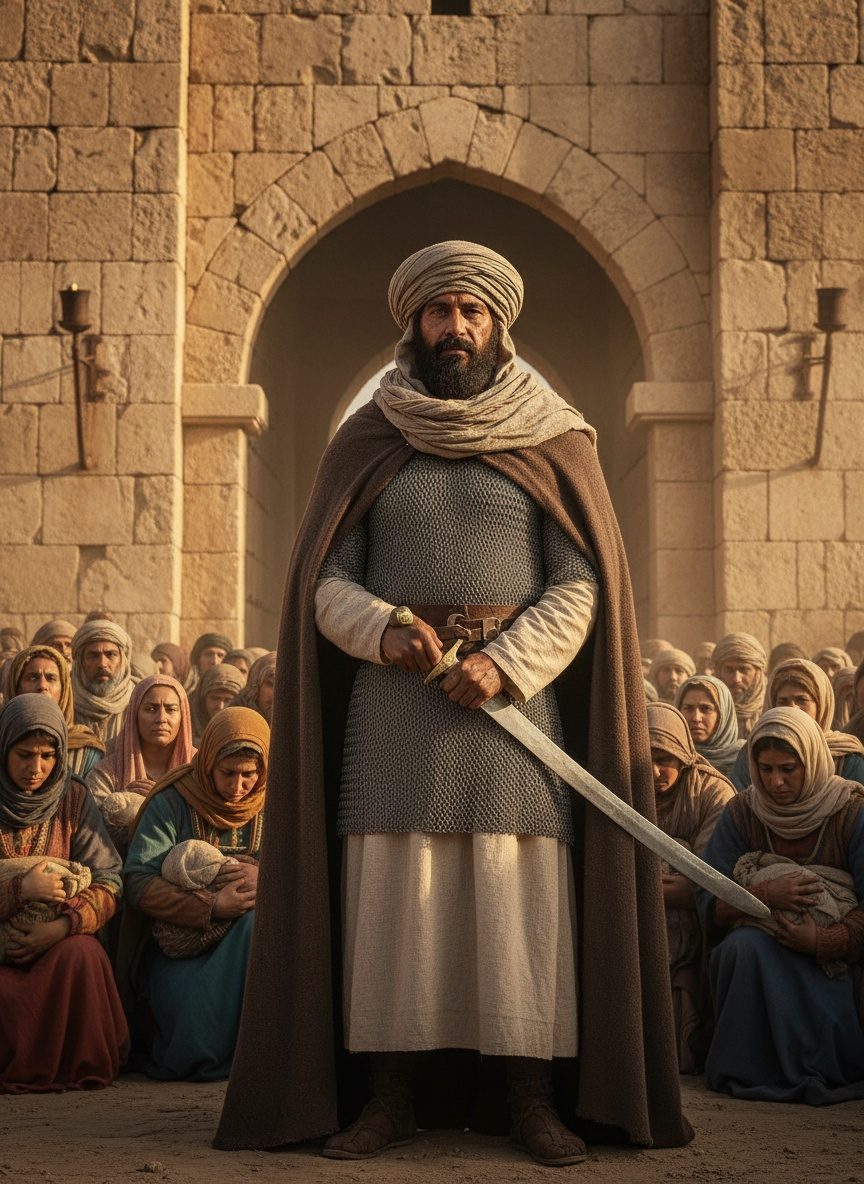
In the bustling streets of ancient Rome, a child opened his eyes to a world where his fate was etched by his status: a slave. Born around 50 CE, Epictetus was owned by Epaphroditus, a formidable figure who believed in imposing authority through pain. It's said that the young slave's leg was snapped deliberately, a harsh reminder of his place in the hierarchy. Yet, what astonished onlookers was not just the sound of bone breaking but the serene smile that crossed Epictetus' face—an enigmatic hint of the profound resilience that lay within him.
Life as a slave in the Roman Empire was a paradox. Slaves were both ubiquitous and invisible, their lives dictated by the whims of their masters. For Epictetus, these chains were not merely physical; they were the very corridors through which he explored the realms of philosophy. His unyielding spirit and an insatiable appetite for wisdom sparked curiosity in those who crossed his path. Observing his master, Epaphroditus, indulge in the trappings of power while remaining enslaved by his own desires, Epictetus began to formulate a contrasting philosophy. Freedom, he mused, was not about shaking off shackles but about mastering one's own thoughts and emotions.
This realization did not come without a cost. The history of ancient Rome is rife with stories of slaves who rebelled, only to face harsh reprisals. Yet, Epictetus chose a different battleground—his mind. He practiced and preached a form of endurance that baffled even the most hardened Romans. As he outlived those who sought to subdue him, the truth of his teachings became irrefutable: true freedom resides in the self.
The Mastery of Philosophy
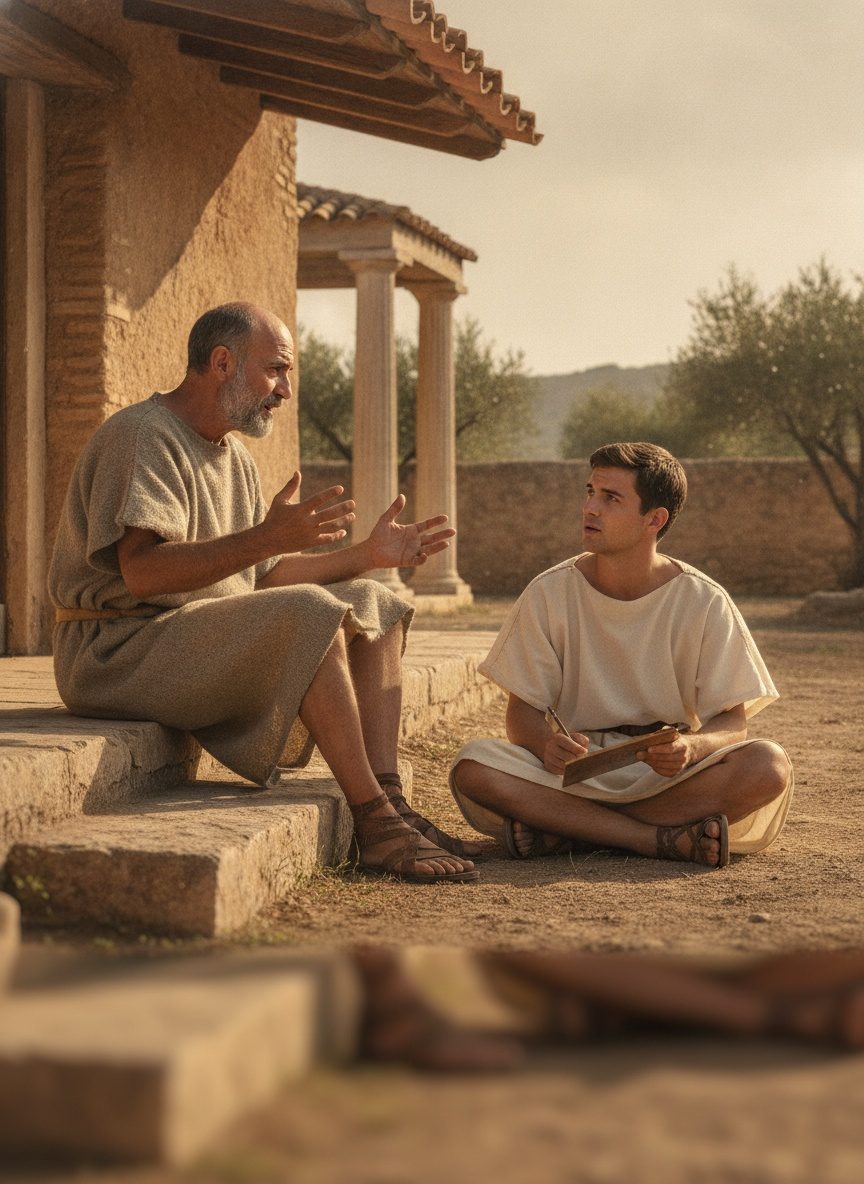
When Epictetus was finally granted freedom, he chose not to slip into anonymity but to shine in academia. Moving to Nicopolis, he established a philosophical school that would become a magnet for seekers of wisdom, including future emperors. It was here that Arrian, a young avid learner, encountered Epictetus. The bond between them would become legendary, leaving an indelible mark on philosophical thought.
One day, Arrian posed a seemingly simple question to Epictetus. In the hands of another, this would have been a passing query. In Epictetus' world, it unraveled into hours of deep discourse—a testament to his ability to weave narratives that both engaged and enlightened. For Epictetus, philosophy was not a sanctuary for the elite, but an accessible tool for personal emancipation. The stone pathways of Nicopolis bore witness to these exchanges, and in Arrian's meticulous recordings, the essence of Stoicism was preserved for posterity.
The teachings of Epictetus emphasized the dichotomy of control: the distinction between what is within our power and what lies beyond it. This insight, revolutionary at the time, inspired a generation to rethink their approach to life. Emperors turned to him not for guidance on governance but for the art of inner peace, realizing that the true empire lay within. His principles of enduring suffering and maintaining equanimity were not just philosophical tenets but survival strategies in an unpredictable world.
Epictetus' words resonated far beyond the confines of his school. As his reputation grew, so did the ranks of those who wished to learn from him, adding layers to his influence and ensuring that his voice would not fade into the parchment of history.
The Echoes of Freedom
Epictetus passed away around 135 CE, but his legacy was immortalized in the works transcribed by Arrian, known as the "Discourses" and the "Enchiridion". These texts became cornerstones of Stoic philosophy, resonating through the annals of time, influencing thinkers ranging from Marcus Aurelius to modern-day cognitive psychologists. The words of a man who had once been a slave were now guiding emperors on their quest for tranquility.
The true power of Epictetus' philosophy lay in its simplicity and profound applicability. It challenged individuals to examine their lives, urging them to focus on internal change rather than external circumstances. This was a radical departure from a world fixated on hierarchy and material acquisition. In an empire known for its conquests, Epictetus taught that the conquest of one's own mind was the greatest victory of all.
Epictetus' story matters because it reframes our understanding of freedom and power. His teachings remind us that the trappings of wealth and status are transient, and the real measure of a life well-lived is found in the serenity of the soul. As we navigate the complexities of the modern world, his insights invite us to consider new dimensions of autonomy—those that lie within. The smile of a boy whose leg was broken is now a beacon of hope, encouraging us to seek liberation not from our external conditions but from the chains within. The narrative of Epictetus is not just a footnote in history; it is a reminder of the indomitable human spirit and the power of philosophy in navigating the very essence of existence.