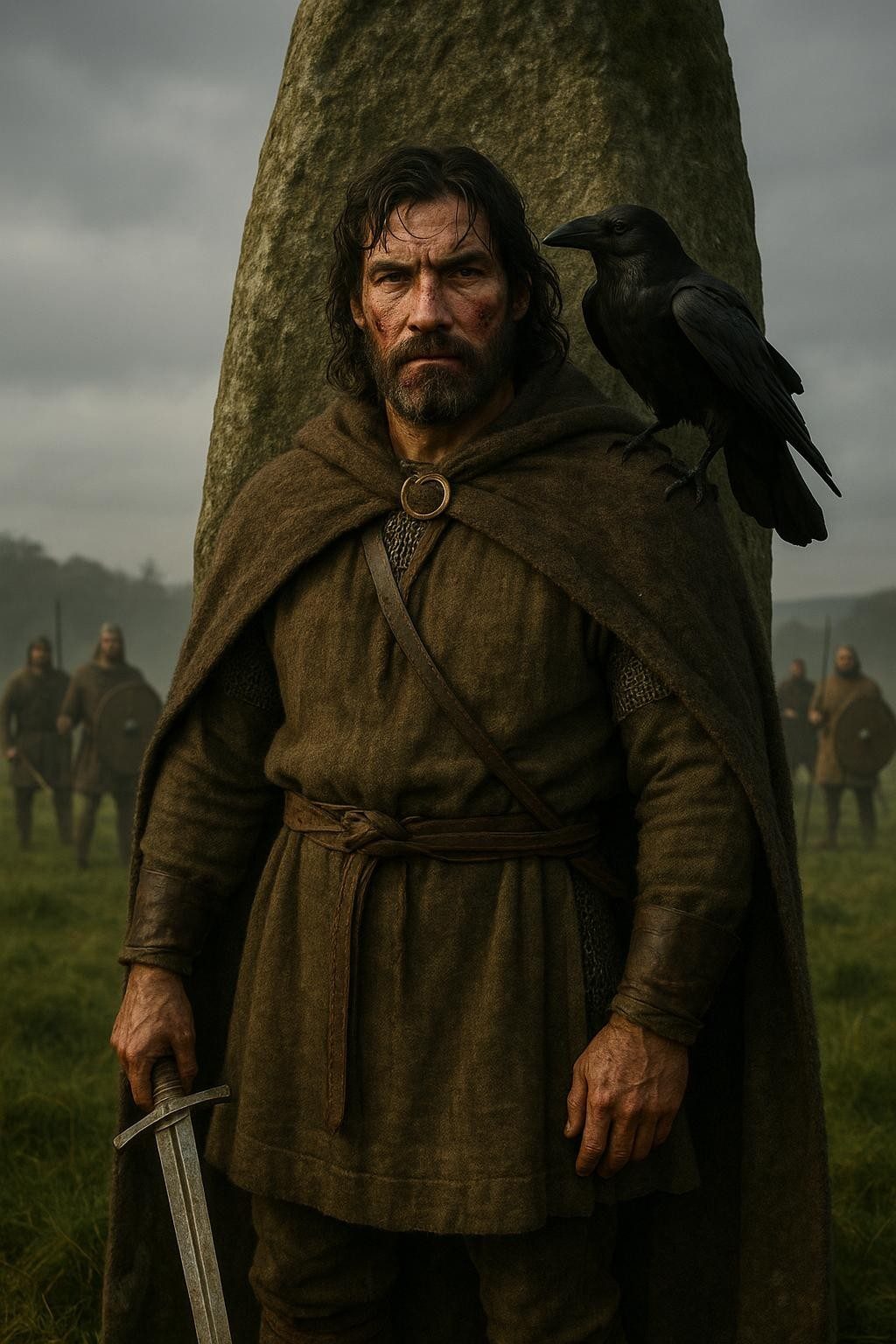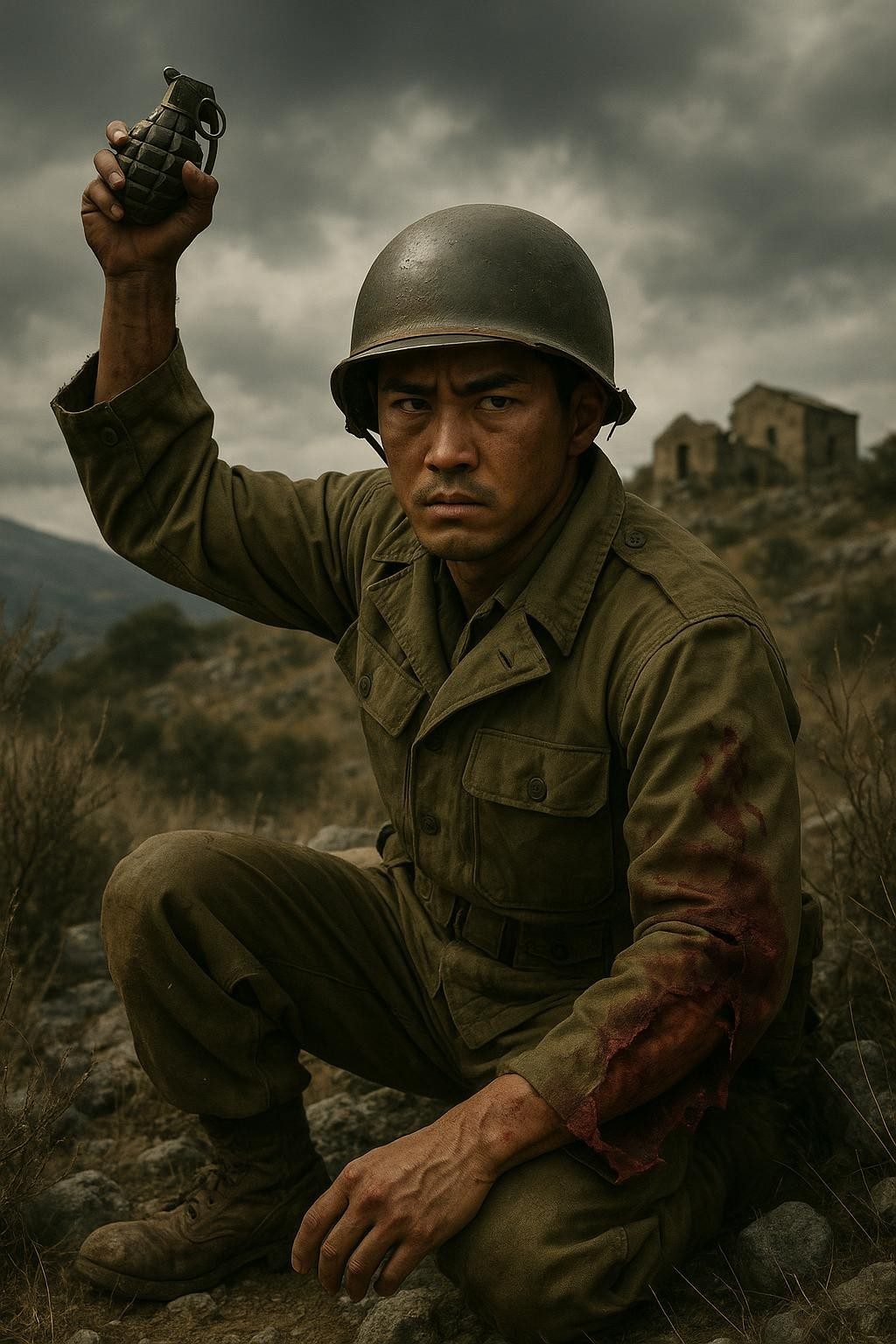
He was an enemy alien. He bled for a nation that doubted him.
The Enemy at Home
As the chaos of war erupted over Pearl Harbor on that infamous morning in December 1941, a Japanese-American teenager watched the skies rain destruction. His name was Daniel Inouye, and he was a proud American, despite the land he called home branding him an outsider. Inouye’s heart burned with the same fervor as the flames that consumed the naval base, yet his country’s laws categorized him as an enemy. The irony was bitter—how does one fight for a home that sees one's face as a threat?
Before the attack, Daniel Inouye was just another 17-year-old in Honolulu. He was expected to join the family’s thriving jewelry business, but destiny had another course plotted. The bombing of Pearl Harbor shifted the world beneath his feet. While neighbors eyed his family with suspicion, fearing they were spies due to their heritage, the Inouyes remained loyal. This was their country too. As black smoke twisted into the Hawaiian sky, Inouye drove to aid victims, training from his pre-war medical studies guiding him despite the chaos.
In the weeks and months that followed, the pain of being classified a potential traitor gnawed at Inouye. Japanese-American families faced internment and ostracism, punished for their ancestry. Yet beneath the stigma lay a resilient spirit. President Franklin D. Roosevelt's 1943 decision to allow Japanese-Americans to serve in the military became a beacon of hope for Inouye. He ran two miles to enlist the moment he could, eager to prove his allegiance not just with his words, but with his actions.
Valor on the Italian Front
The path from Honolulu to the battlefields of Europe was fraught with challenges. Inouye joined the segregated, all-Japanese-American 442nd Regimental Combat Team, a unit that would become the most decorated of its size in U.S. military history. They fought in Italy, France, and Germany, battling enemies abroad and prejudice within their ranks. This irony—of struggling for freedom under a nation that questioned their own—was not lost on these soldiers.
On a treacherous ridge in Italy in 1945, Inouye's courage and determination came to a harrowing peak. His platoon faced a heavily fortified German position that rained bullets down like an iron curtain. As squad leader, Inouye charged fearlessly, a hand grenade his weapon of choice. But as fate would have it, a German bullet struck him mid-throw, severing nerves and leaving his right arm limp and lifeless—yet not before he pried the grenade from his useless hand and lobbed it toward the enemy, clearing the path for his men.
The wounds nearly claimed his life, but the medal-worthy action led to something more enduring than battlefield glory. Doctors battled to save his arm, but amputation was inevitable. As Inouye recovered, he reflected on the meaning of duty and service. A young man who had lost more than a limb was determined to fashion a future for himself and his community—a future braided with the honor and sacrifice shared by those who never returned from the fight.
The Long Road to Capitol Hill
Inouye’s journey from soldier to statesman was neither quick nor easy. After returning home, he struggled to find his place in a society still grappling with the scars of war. Yet his resolve only grew stronger. In 1959, he entered a new battleground: the halls of Congress. Elected as the first Japanese-American to the United States House of Representatives, Inouye's achievement was more than personal. It marked a significant moment of change for the Japanese-American community, long viewed with skepticism and distrust.
His political career was distinguished by an unyielding commitment to justice and equality, hallmarks of the struggle he embodied since World War II. With each bill, each decision, Daniel Inouye reshaped conversations about race and patriotism in America. His eventual election to the Senate and decades of service therein broke barriers and set foundations upon which future generations stood.
The actions of that young man on an Italian ridge reverberated through time, altering not just his fate but that of a nation. Daniel Inouye demonstrated the profound capability of personal sacrifice to foster national unity, proving that one's identity need not be dictated by the confines of prejudice.
In the landscape of American history, his story resonates with a truth that transcends eras: the worth of a person lies not in their lineage or appearance, but in their unwavering dedication to uphold the ideals of justice and freedom for all. As his fellow Senators eulogized him at his passing in 2012, they spoke not just of a lawmaker, but of a man who understood, in heart and history, that to lose an arm in service is to gain the strength to build a nation.