The bridges and tunnels were closed. Yet, thousands found a way off the island.
The Smoke on the Horizon
September 11, 2001, began like any other late summer day in New York City. But as the clock ticked toward mid-morning, the world as New Yorkers knew it unraveled. The air filled with the acrid stench of smoke and dust as chaos took a stranglehold over the city. The attacks on the Twin Towers left a staggering quarter-million people trapped in Lower Manhattan, crammed into streets, and against the waterfront with nowhere to go. Every bridge and tunnel that connected the island to safety was abruptly sealed, leaving only one avenue of escape: the water.
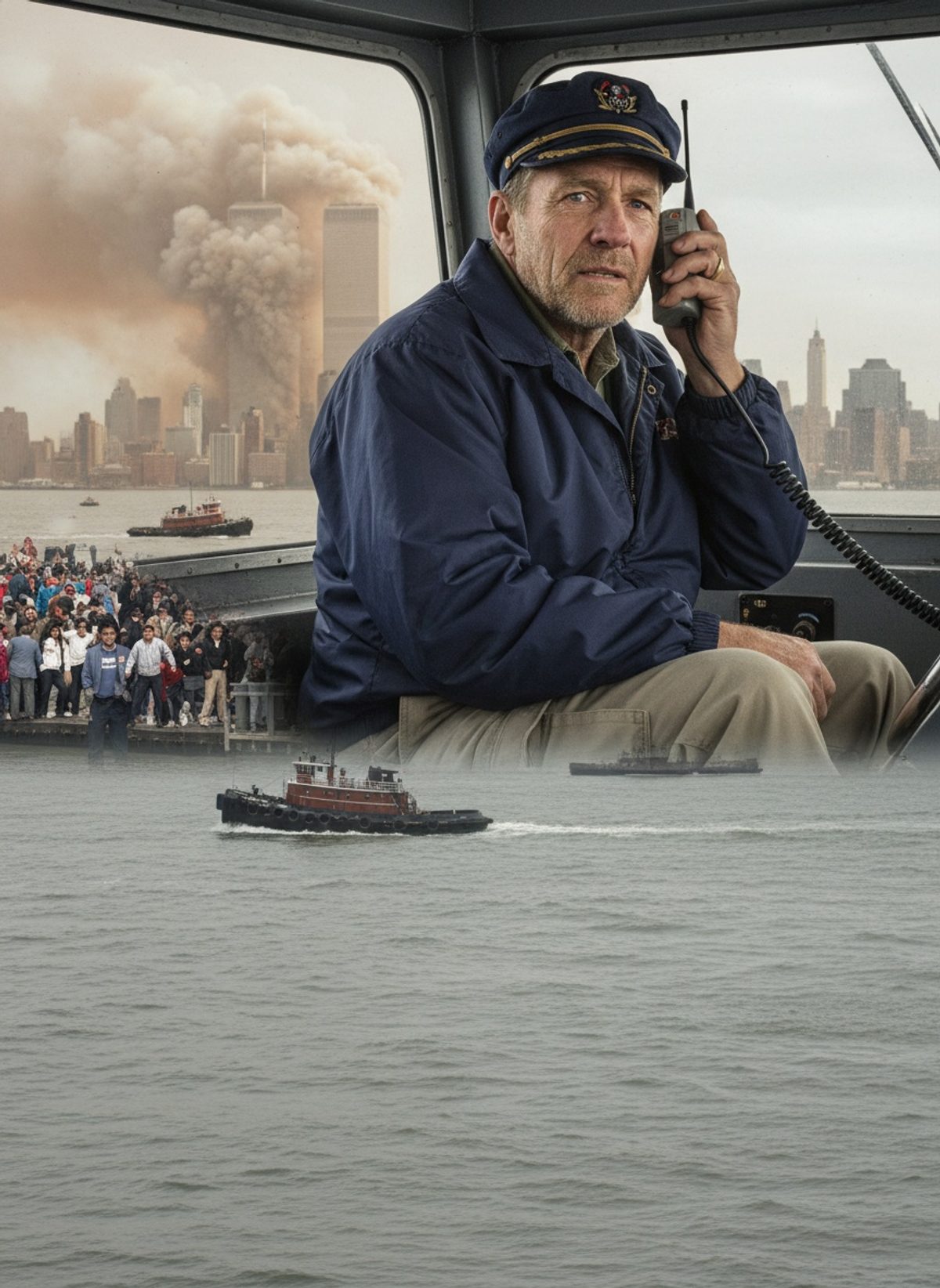
While the rest of the world watched the horror unfold, ordinary people in boats began to move. A Coast Guard officer's voice crackled over the radios of commercial and civilian vessels alike, making a simple appeal that hung heavy in the air, “All available boats, this is the United States Coast Guard... any available boats.” There was no plan, no drills prepared them for such an event, yet captains responded.
The Armada Arrives
In the blink of an eye, a ragtag flotilla of ferries, tugs, and private boats turned toward the city—a fleet united by urgency and compassion, driven not by orders but by an indescribable sense of duty. Captains and crews all made the same instinctual decision: head toward the wall of smoke, the source of every nightmare imaginable. They pushed aside personal fear, knowing every minute counted for the thousands stranded, cloaked in ash.
For what became the largest maritime evacuation in recorded history, there was a stunning lack of hierarchy. Vessels surged toward piers at the tip of the island, each captain making split-second decisions in the chaos. They loaded as many people as possible, without manifest or muster, in scenes painting a stark contrast to the calm detachment typical of routine ferry service. Within hours, nearly 500,000 people were ferried to safety—noteworthy because they had nowhere else to go.
Voices of the Saved
Among the throngs of evacuees were stories that remained unsung for nearly a decade. Individuals who had experienced the harrowing descent from office towers or witnessed them collapse from the streets clung to the railings of departing boats, crossing the choppy waters with an ever-present view of the transformed Manhattan skyline.
They remembered unexpected kindness. Strangers offered coats to those shivering from both the cold of the water spray and the shock of trauma. Children were swiftly carried across decks by crewmembers and passengers alike as though each child were their own. There were prayers whispered in myriad languages, united by a singular hope of survival.
The collective will of individuals—fishermen, pleasure boaters, merchant mariners, and ferry operators—created a response that defied everything officially arranged. Each vessel became a lifeboat, and each captain an unsung hero. This grassroots relief effort showed how capable humanity can be when shackles of protocol are cast aside for pure altruism.
The Quiet Power of the Unplanned
A decade passed before this unprecedented maritime mission caught the public eye. Until the documentary hosted by actor Tom Hanks premiered, few outside the direct experience understood the scale of what happened on that day in New York Harbor. It's as if the whole event slipped into a crevice of collective memory, overshadowed by the broader narrative of September 11th.
Why it happened? Maybe it was a reflection of another time-honored New York trait—a tenacious refusal to cower in adversity. The city thrives on its chaos, where people move in rhythm with its relentless pace and challenges become mere chapters in its ongoing story. When the skyline billowed with pillars of smoke, it was a testament not to preparation but to spontaneous human resolve. It was the embodiment of the ethos that the sea, far from being a barrier or boundary, could momentarily become the salvation.
This historical maritime rescue speaks volumes about the potential for unity in times of despair. It is a profound reminder of the inherent power residing in ordinary people who, when faced with extraordinary circumstances, can change the world shoulder to shoulder, wave by wave.