The early morning mists clung to the ancient stones of Texcoco, softening the sunrise's golden rays. A gentle breeze rustled through the fertile lands, carrying the scent of blooming flowers and the promise of a new era. This tranquil scene masked the turbulent history of a place where power, poetry, and the struggle for justice converged. Here, in 1430 AD, Nezahualcoyotl, the king who had endured the wrath of a tyrant and the loss of a father, sought to craft a kingdom not of revenge, but of beauty and wisdom.
The Shadow of Tezozomoc
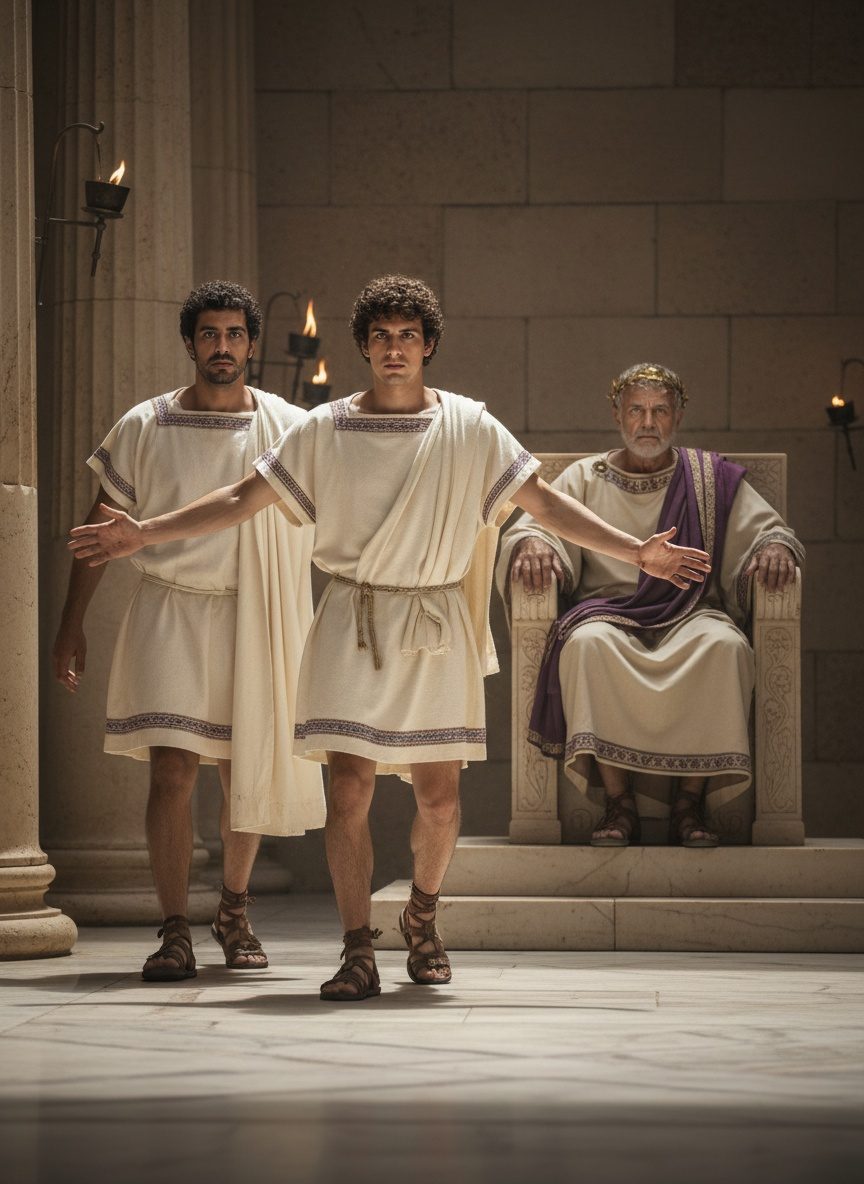
In the vibrant tapestry of Mesoamerican history, the story of Nezahualcoyotl begins under the shadow of Tezozomoc, the ambitious ruler of the Tepanec empire. Tezozomoc was a leader whose political maneuvers and quest for domination left neighboring city-states in fear. Among his many adversaries was the kingdom of Texcoco, ruled by Nezahualcoyotl's father, Ixtlilxochitl. Tezozomoc, seeking to expand his empire, did not hesitate to unleash chaos and violence upon Texcoco.
For young Nezahualcoyotl, this was a world filled with betrayals and peril. Born into royalty yet plunged into danger, he witnessed the brutal murder of his father and his city engulfed by enemy forces. The air hung heavy with smoke and cries as the kingdom fell, forcing Nezahualcoyotl into hiding. Moving through the dense jungles, clinging to the cover of night, he evaded his pursuers, finding safety only in the lush embrace of the trees. In these moments of despair, he could have chosen hatred. But within him, a vision began to grow—one not rooted in vengeance but in a future where wisdom would prevail over warfare.
Tezozomoc's death left a power vacuum that Nezahualcoyotl was finally able to exploit to reclaim his birthright. With Texcoco, one of the three major partners in the Aztec Triple Alliance, he could shape not only his kingdom but influence the broader cultural landscape of the region. The choices he made would echo far beyond Texcoco's borders, reflecting a profound shift in governance during an era often remembered for its rigid and brutal leadership.
Building Gardens, Not Walls
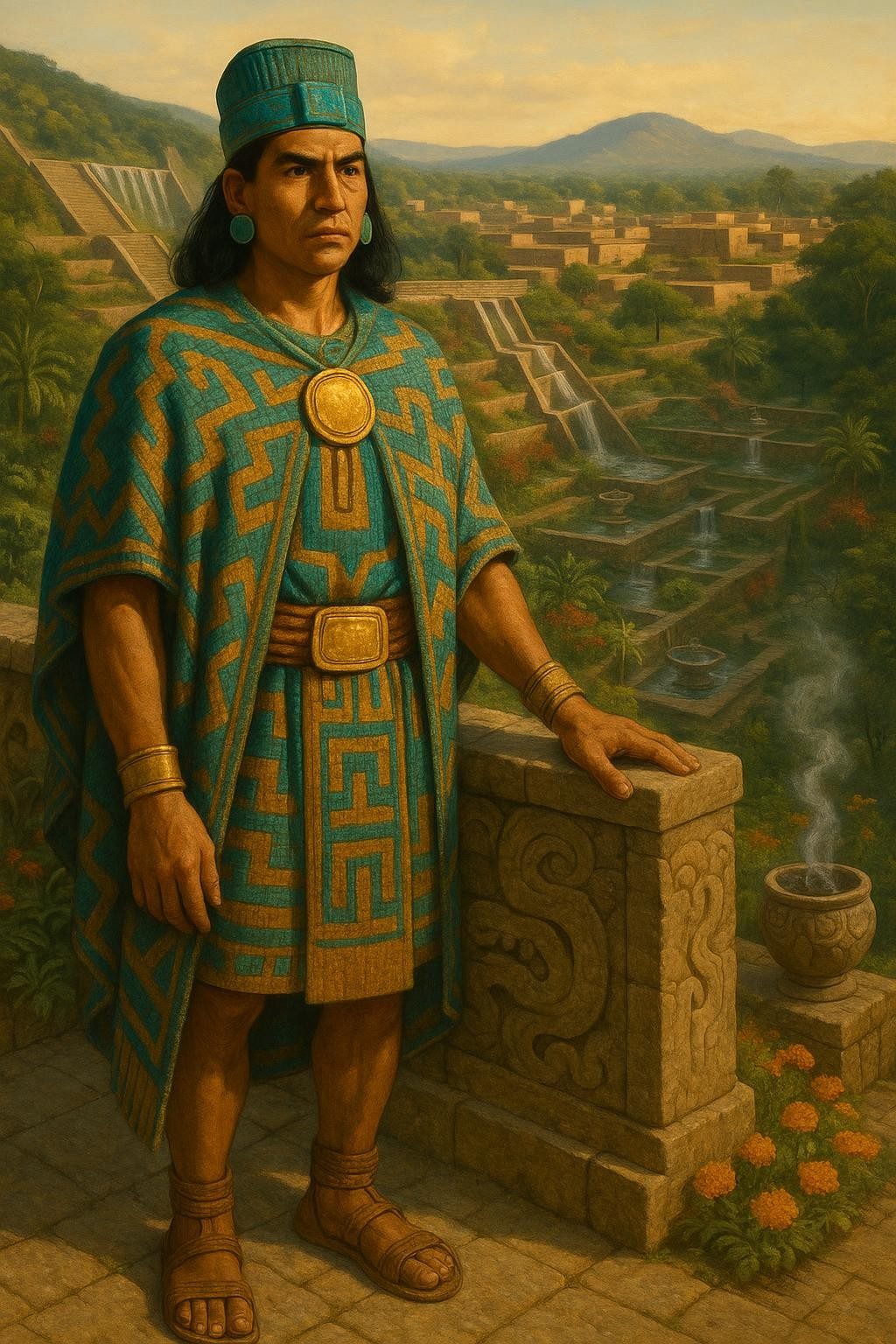
Amid the landscape of Texcoco, Nezahualcoyotl stood as an unusual figure for his time—a philosopher-king in an age of warriors. Instead of fortifying his city with towering walls to keep out the armies that might one day seek retribution, he chose to cultivate gardens. These gardens were not mere ornamental flourishes; they symbolized a philosophy that valued harmony with nature and captured the essence of his reign.
Nezahualcoyotl constructed aqueducts to bring life-sustaining water to his parks and built terraces that showcased engineering skill alongside natural beauty. These spaces were intended for contemplation and reflection, encouraging his people to commune with nature and each other. In a society where might often defined right, Nezahualcoyotl introduced an alternative perspective where the mind's growth was as essential as military might.
In addition to his gardens, he established libraries to preserve knowledge, villas that served as cultural centers, and courtrooms where justice was not a privilege of the rich but a right for all. He dared to abolish the practice of human sacrifice within his realm, advocating instead for offerings in the form of art and learning. This was a radical departure from the dominant cultural norms upheld by the mighty Aztecs and their reverence for blood rituals.
The king's vision created a renaissance atmosphere in Texcoco, attracting scholars, artists, and philosophers. Through their collective talents, the city became a beacon of Mesoamerican learning and artistic excellence. Nezahualcoyotl's legacy was intertwined with his passion for poetry, through which he expressed his philosophical musings on life, death, and the universe, influencing generations beyond his own.
The Enduring Legacy of a Poet-King
Nezahualcoyotl's reign brought a transformative wave across the lands of Texcoco, challenging the very foundations of what it meant to govern in the 15th century. His choice to pursue a different path reflected an understanding that strength lay not in holding power with an iron fist but in nurturing the intellectual and cultural growth of his people. This foresight cemented his kingdom as a bastion of progressive thought in the Mesoamerican world.
The astounding decision to turn away from human sacrifices and steep the city in justice and cultural pursuits marked him as a visionary. It invited visitors from the far reaches of the Aztec domain, who came to witness the uncommon peace and prosperity under his rule. The fields of Texcoco bore more than crops—they carried the seeds of change that Nezahualcoyotl had sown with wisdom.
Even as his contemporaries wielded power and fear, Nezahualcoyotl demonstrated a more profound legacy could be crafted from compassion and knowledge. His influence reached into the lives of those who followed, informing the practices of governance and culture long after he left the earthly stage. In the history pages often populated by conquest and bloodshed, his story shines as a testament to the power of visionary leadership rooted in principles of equity and humanity.
Why does Nezahualcoyotl's story still resonate today? Perhaps it's the reminder that in any era, leadership of compassion and intellect can disrupt cycles of violence and create a world more bountiful than any garden. His life encourages a reflection on how we, too, might build sanctuaries of thought and beauty amid life's inevitable storms.