History rarely remembers griots. Without their stories, history would be lost.
The Griot and His Echo
The drums of war between Sundiata Keita and Sumanguru echoed through the corridors of history, but another sound was equally resonant: the voice of the griot, Balla Fasséké. This was a time when words could move armies, and Balla Fasséké was a master of such an art. Griots were not mere storytellers—they were the guardians of collective memory, spiritual guides, and living archives of their people’s history. In the Mali Empire, Balla Fasséké was entrusted with more than just the oral accounts of past deeds; he held the weight of Sundiata's lineage and future victories.
When Sumanguru, the sorcerer-king, captured Balla Fasséké, he hoped to silence Sundiata's spirit by taking away his griot. Yet, even in captivity, Fasséké's voice remained powerful, whispering tales of courage and hope amongst the prisoners, a quiet rebellion against the oppressive silence that Sumanguru tried to impose. The griot survived through wit and memory, biding his time until the fates would have him reunite with his rightful king.
The Battle of Kirina
It was not blood but faith and destiny that carved the result of the Battle of Kirina in 1235 AD. Sundiata had risen from exile not only to reclaim his birthright but also to unite the fractured Mandinka people against their common enemy. With Balla Fasséké back by his side, Sundiata's army marched to the rhythm of drums and unyielding words. It was a battlefield where magic and metal clashed, where spells met spearheads, and in the midst of this chaos, the griot's voice soared.
As spears glinted under the West African sun and the earth trembled beneath charging warriors, Fasséké's words rose above the din. His tales of ancestral heroism and future destinies struck a chord within each soldier, awakening in them a force beyond physical might. The griot lyrics revitalized weary limbs and filled every heart with fiery resolve. It was as if the spirits of old rallied the warriors with every syllable Fasséké spoke. What seemed like a battle of men turned into a tug-of-war between past and future.
The Griot's Defiance
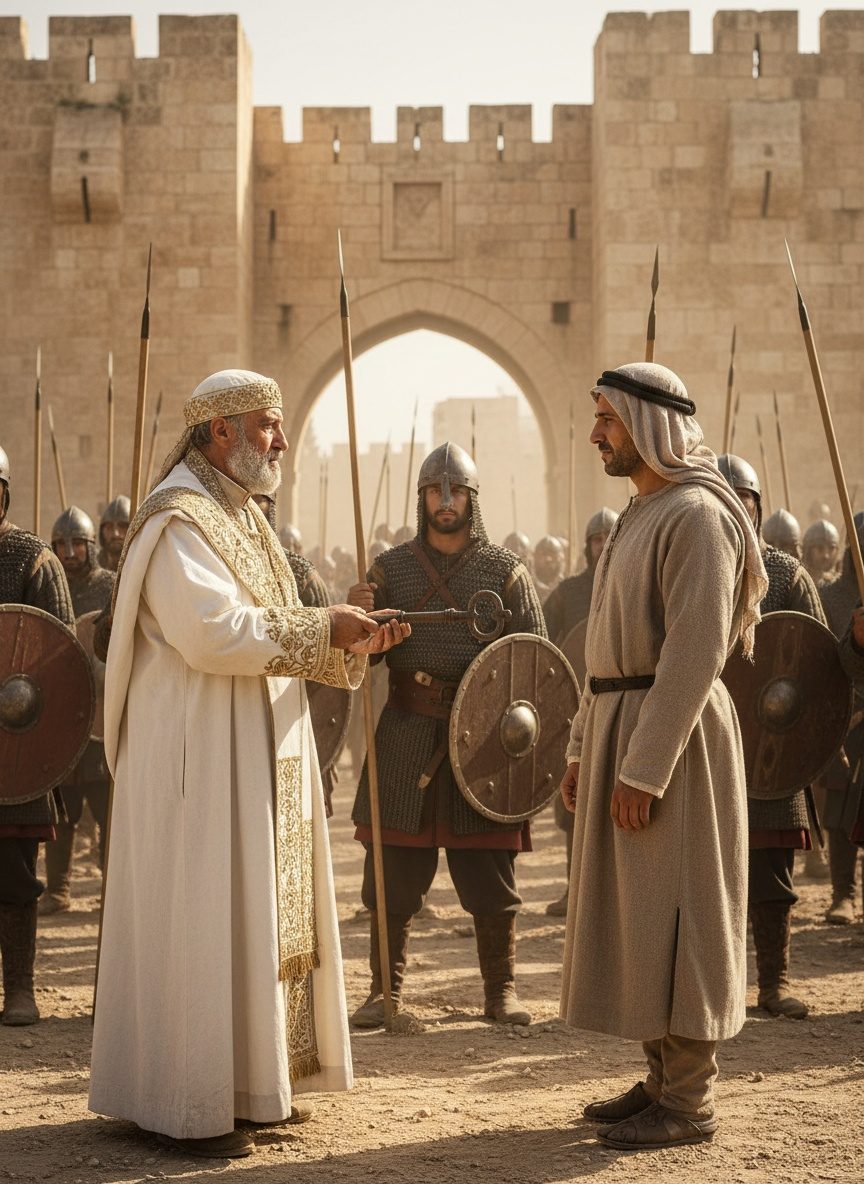
With the battle won and Sumanguru vanquished, Sundiata summoned his griot. Tradition dictated that Balla Fasséké should kneel before the noble king who had triumphed, but what transpired was a gesture that defied norms yet embodied profound respect. The griot, steadfast and composed, refused to kneel. Instead, he stood before the emperor, chest lifted and eyes steady. He came not to praise blindly, but to speak truth and ensure that the story of their victory honored every soul that fought and fell that day.
Balla Fasséké's defiance was a testament to the power of truth over the comfort of half-truths. It was an act of reverence to the story itself, which belonged as much to future generations as to the king himself. The griot ensured that Sundiata understood his role as not just a conqueror but a custodian of an entire people’s future. In listening rather than demanding submission, Sundiata showed the wisdom of a ruler who revered the truth above all else.
The Power of Words
In the span of a few years, Sundiata had forged a mighty empire with Balla Fasséké's resonant voice as his unfailing companion. The partnership between king and griot was alchemy; their mutual respect and understanding transmuted history's raw elements into enduring legacy. Griots like Fasséké were the indispensable bearers of history, using their eloquence to build bridges between generations.
The griot made history eternal with his tales, narrating events that would inspire countless generations. To the Mali Empire, he was more than a man with a voice—he was the literal song of their people’s spirit, an embodiment of the thread connecting past, present, and future. In a world writing its narrative one battle at a time, the griot’s words were the ink that ensured these stories' survival.
Echoes Through Time
The story of Sundiata and Balla Fasséké is more than an account of victories and spells—it poses a question of legacy. History often fixates on leaders and kings, but how often do we remember the voices that told their stories? The tale of the griot who refused to kneel challenges us to recognize the unsung narrators in our own lives. It reminds us of the courage required to speak truth to power and the enduring impact of words in shaping our world.
As we reflect on the events at Kirina, let us remember that history is not just a series of acts but the stories that echo through time. The griot’s defiance invites us to listen closely, to value stories as our most critical inheritance, and to honor those brave enough to speak them regardless of consequence. In doing so, we enrich our understanding of the past and forge a more profound connection with the future.