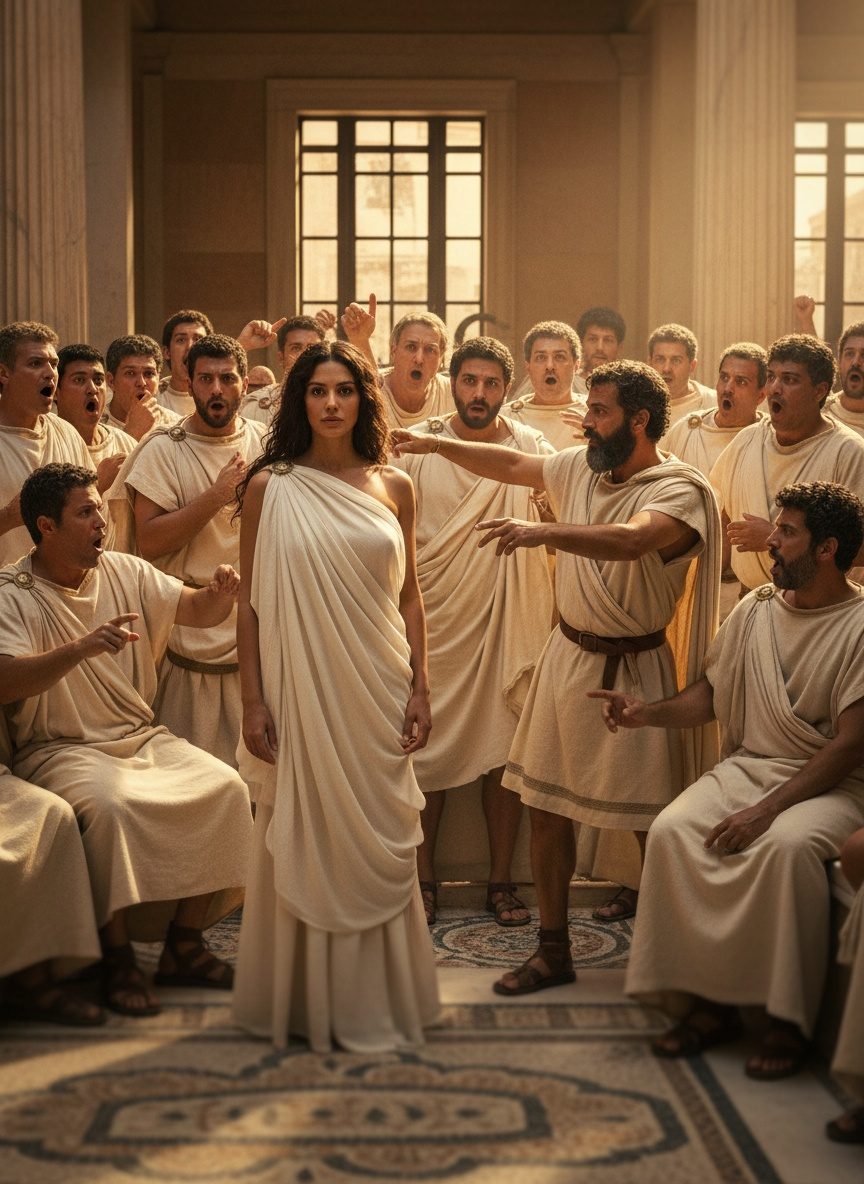
He could not walk, even as the shadows of his peers danced across the walls of the Mali court. By the light of a single, determined morning, he rose from the dust, forging a legend that would carry him to the throne.
The Boy Who Could Not Walk
In the 13th century, the West African kingdom of Mali was a land rich with tradition and rife with challenges. It was into this world that Sundiata Keita was born — a world where he was deemed incapable of greatness. Unlike other boys in the royal court, Sundiata's childhood was shadowed by his inability to walk. His legs were weak and unresponsive, offering scant promise of the warrior king his family might have hoped for.
Such a disability, even today, can lead to stigmatization, but in Sundiata's time, it bound him under the weight of scorn and skepticism. While his peers ran and played, the young prince was often a subject of laughter and doubt, a source of disappointment to people who valued physical prowess and leadership. Yet, in the silence of his own world, Sundiata nurtured dreams of defying the destiny set against him.
For Sundiata, the sting of mockery was a frequent companion, but he was not entirely alone. A faithful few saw beyond his frailties, whispering to him of ancient prophecies and his royal blood—promises of a future only he could fulfill if he found the strength to stand and claim it.
The Iron Bar and the Rise
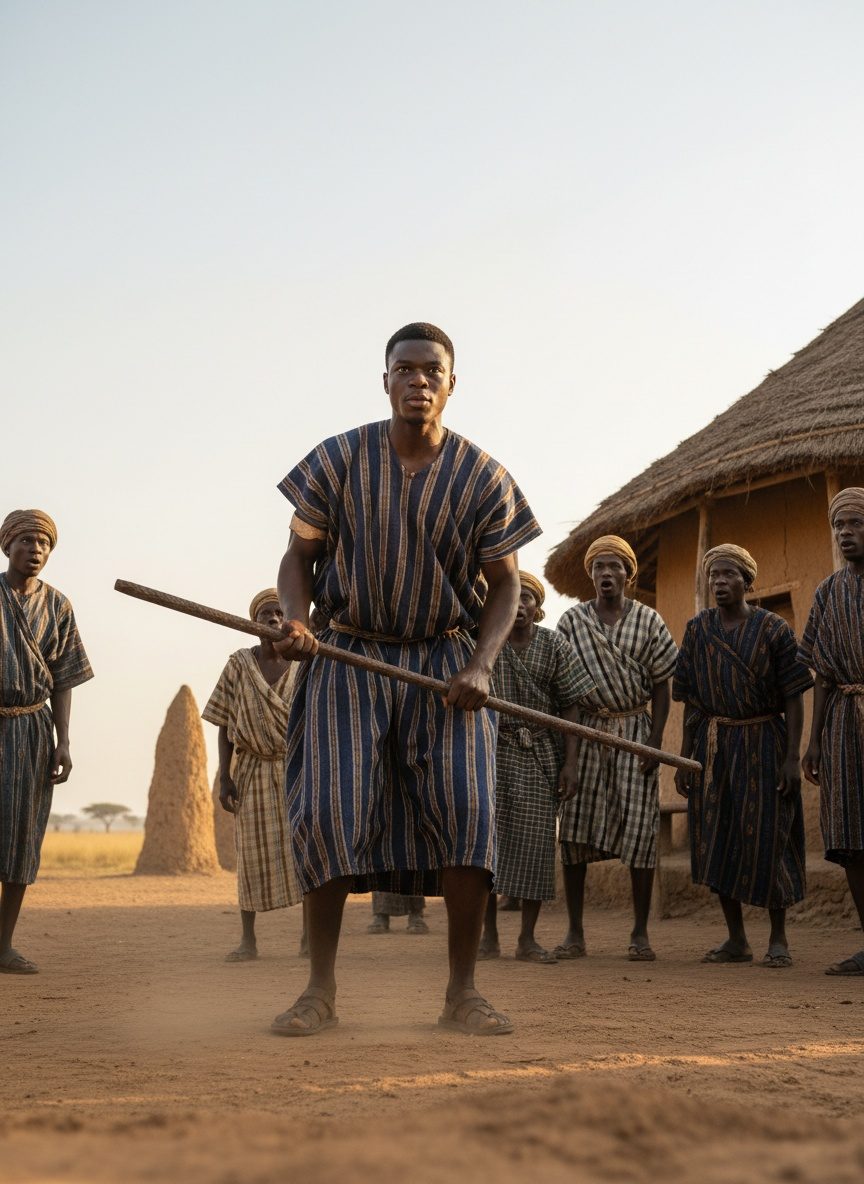
Opportunity came wrapped not in grandeur but in a test of tenacity. One fateful day, as legend describes, the inklings of a nation-altering transformation began. Sundiata, urged by an inner restlessness and perhaps spurred by the constant taunts, reached for something solid and unwavering: an iron bar. With a deep inhalation and a heart brimming with determination, he pulled himself upright, staggering onto legs thought useless. The court, in stunned disbelief, witnessed the moment their whispers of pity gave way to murmurs of awe.
It was not simply a boy standing up; it was a signal fire to the world. Rising from the dust, Sundiata’s ascent was more than physical. It heralded the rise of a leader with the spirit to transform dreams into history. He drew strength not only from his newfound physicality but from the ambition that had smoldered within him during years of silent endurance.
This pivotal moment redefined Sundiata's path, emboldening him to embark on the incredible journey from the prince who could not walk to a destined leader. It was the beginning of a sequence that would extend beyond personal mastery—one that led toward the unification of a kingdom.
Building an Empire
The Mali Empire, spanning vast lands at its height, would owe its foundation to the visionary hands of Sundiata Keita. Following his rise, he emerged not only as a leader but as a unifier, turning rivalries and discord into the stepping stones of cooperation. This was a period of change—cultural, economic, and political transformations sparked by a figure who once hovered on the peripheries of court life.
Strategically, Sundiata was astute, forging alliances with disparate tribes and forming a strong confederation of voices that would echo as a singular entity. His victory at the Battle of Kirina in 1235 was as decisive as it was symbolic. Sundiata not only defeated a formidable rival but established himself as the undoubted epicenter of a burgeoning power. This battleground triumph was not merely a conquest; it was the cementing of a legacy.
The empire that Sundiata forged grew to become one of the largest and most powerful in West Africa—boasting wealth both from the fertile lands and the rich networks of trade in gold and salt. Under his reign, a diverse population found unity, and Mali became a wellspring of cultural and intellectual prosperity. The foundations of governance and cultural practices established under Sundiata’s reign would resonate long after, enduring through the likes of his famous descendant, Mansa Musa.
From Dust to Legend
Sundiata’s story offers a remarkable exploration of the human spirit’s boundless capacity to triumph over adversity. From the tender age of an abandoned prince to a mighty nation-builder, his journey stirs, not only to the dusts of Mali but also to the concept of potential held within us all.
The real power of his tale lies in its capacity for resonating universality—a reminder of the unseen potential that lies dormant, waiting for the right moment to unravel. Sundiata’s life encourages us to grasp the metaphorical iron bars in our own lives, ready to pull ourselves into legacies we might otherwise dare not dream.
As the world turns, often forgetting the echoes of empires past, Sundiata Keita’s legacy as the "Lion of Mali" endures—a monumental reminder of strength born from a seeming deficiency. He carried not just the weight of his own limitations but the futures of countless others bound by a shared vision. His story doesn't merely reflect the past; it lights the path to possibility.