Most people had fled when the plague returned to Florence in 1374. Catherine of Siena chose to walk straight into its heart.
The Dark Return
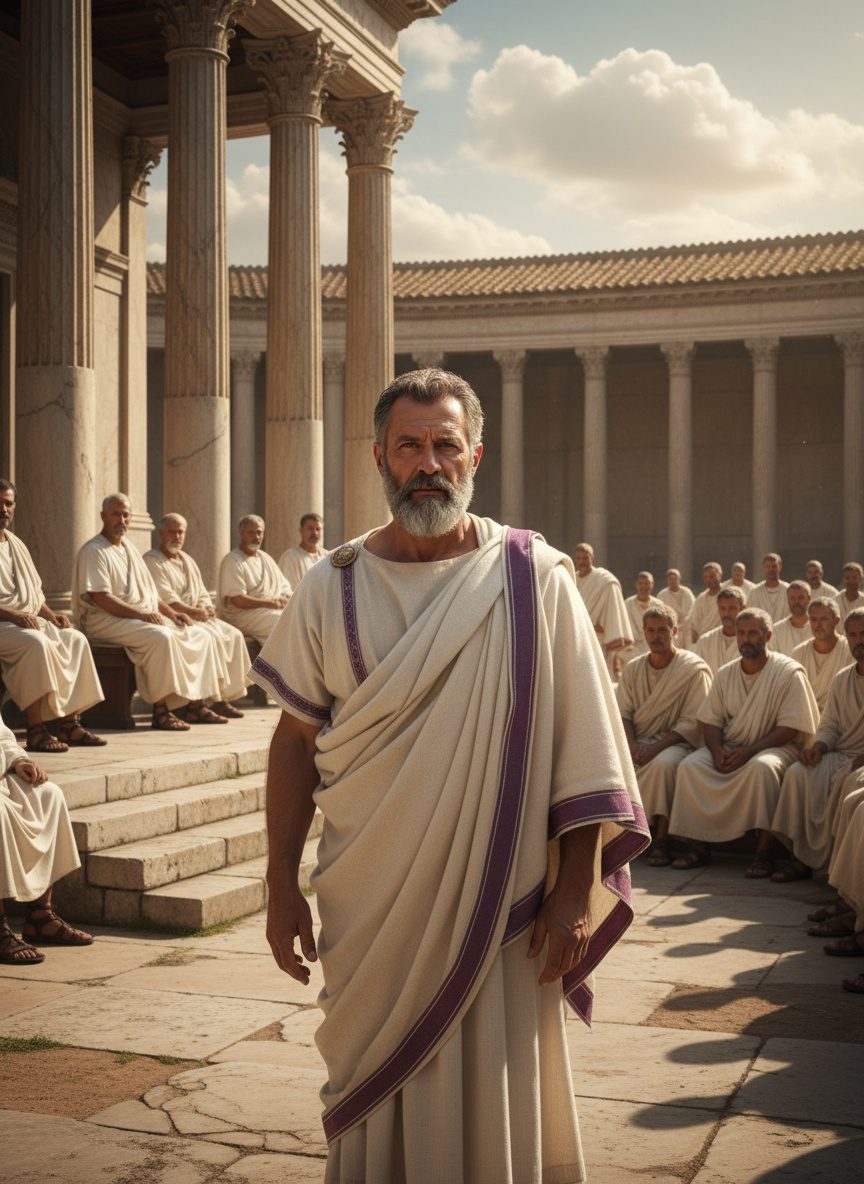
Florence, once a radiant beacon of art and commerce, was shrouded once again under the choking grip of the plague's resurgence. The Black Death, which had devastated Europe a quarter of a century earlier, was back with a vengeance. In these darkened streets, where even the furious vitality of Florence's bustling marketplaces had stilled to a whisper, fear was a constant and oppressive neighbor.
The plague didn’t discriminate. It consumed the rich and poor, the devout and skeptical. It reduced what were once vibrant communities to somber collections of shuttered homes and deserted alleyways. This was the stage onto which Catherine of Siena resolutely stepped, even as many others turned away. In 1374, at just twenty-seven years old, she encountered a city reeling under the deadly silence of lost voices.
Into the Inferno
The monks of Santa Maria della Scala, a hospital renowned for its charitable care, had locked the doors to their plague wards. With a rapidly growing list of infected and a dwindling number of caregivers, even these men of God were forced to retreat, seeking safety from the wrath of the disease. It was here that Catherine's courage wrote itself into legend.
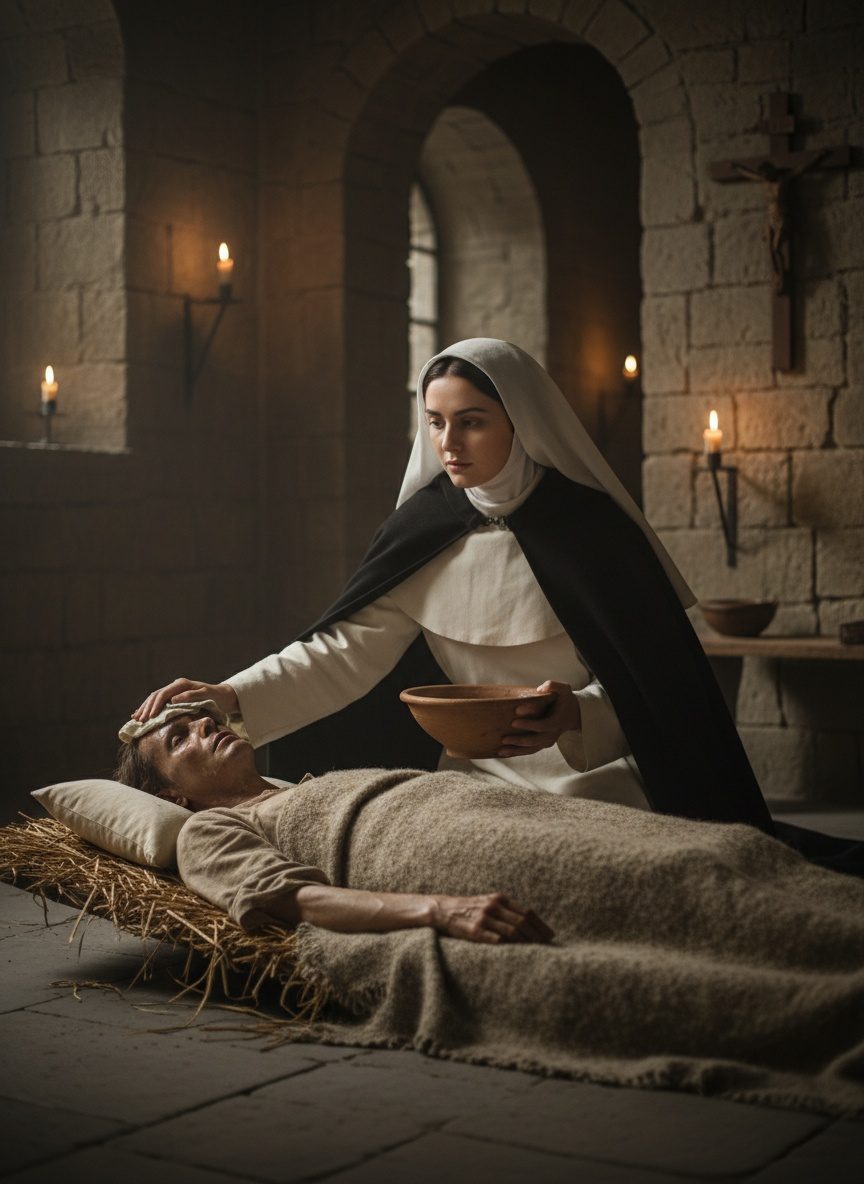
Unwavering, she walked in where others dared not tread. The moment Catherine crossed the threshold, slipping past the barriers of fear and contagion, was nothing short of a revelation. Those who witnessed it could scarcely believe it—there was something almost otherworldly about her defiance of the odds and refusal to give in to despair. Many saw her actions as miraculous; Catherine simply saw them as necessary.
She would move among the dying, her touch both gentle and firm. With neither haste nor hesitation, she washed wounds and offered what she could—a calm presence amid chaos, a whisper of hope to the hopeless. Without the protection of gloves or masks, merely armed with faith and compassion, she became a living conduit of mercy in an environment where human contact alone could spell death. Her actions baffled the cautious and awed all who heard of them.
Fearless or Foolish?
To the rational thinkers of her time, particularly those safely ensconced away from the fetid plague wards, Catherine's actions might have seemed reckless. How could anyone so willingly walk into an abyss from which none might return? This was a question that teased the edges of practical wisdom and begged for an answer. Yet, Catherine sought none. She understood her mission as one grounded not in the calculations of survival, but in the heart's purest offering.
Catherine once described her motivations humbly, refusing to adopt the mantle of sainthood that others were quick to ascribe. "What could I have done differently?" she might have asked had someone pressed for an explanation. For her, entering those halls was not an act of heroism, but one of life's necessities—an illustration of doing 'what must be done' despite the direst of circumstances.
The Woman and the Witchcraft of Empathy
What separated Catherine from others of her time was not merely her actions, but the woman behind them. She was known to be an enigmatic presence, with many noting her serene composure even in the chaos of a burgeoning epidemic. Her empathy was profound, almost as if she wielded it as a form of magic—a not-wielded power that crossed the ordinary boundaries of medieval life.
Her devotion found its roots in a deeply personal connection to faith, a bond that she maintained relentlessly even as the pandemic gnawed away at the flesh of the city. Her daily forays into the plague's den—immersing herself in pain, unity, and the tangled web of human suffering—became a testament to a life lived in service of others, regardless of the physical cost to herself.
The Aftermath and Unanswered Questions
Catherine's presence in Florence's plague-stricken quarters left an indelible mark not only on the survivors but on the city itself. When the illness finally relented, retreating like a spent storm, Catherine was there to help knit the wounded fabric of society back together. As a bridge between disaster and recovery, she emerged as a figure of unwavering hope, her legacy entwined with the timeless struggle between life and death.
Years later, long after her deeds had morphed into stories and her name became legendary, one question still lingers in the minds of those who hear it: "What compelled Catherine of Siena to step forward when so many stepped back?" Her indifference to danger and her compassionate touch seem to exist on the border of courage and absolution, reminding us of the potential for extraordinary choices in ordinary lives. In choosing compassion over fear, her story finds its deepest resonance across the centuries, shining a light on human values that transcend time and place.