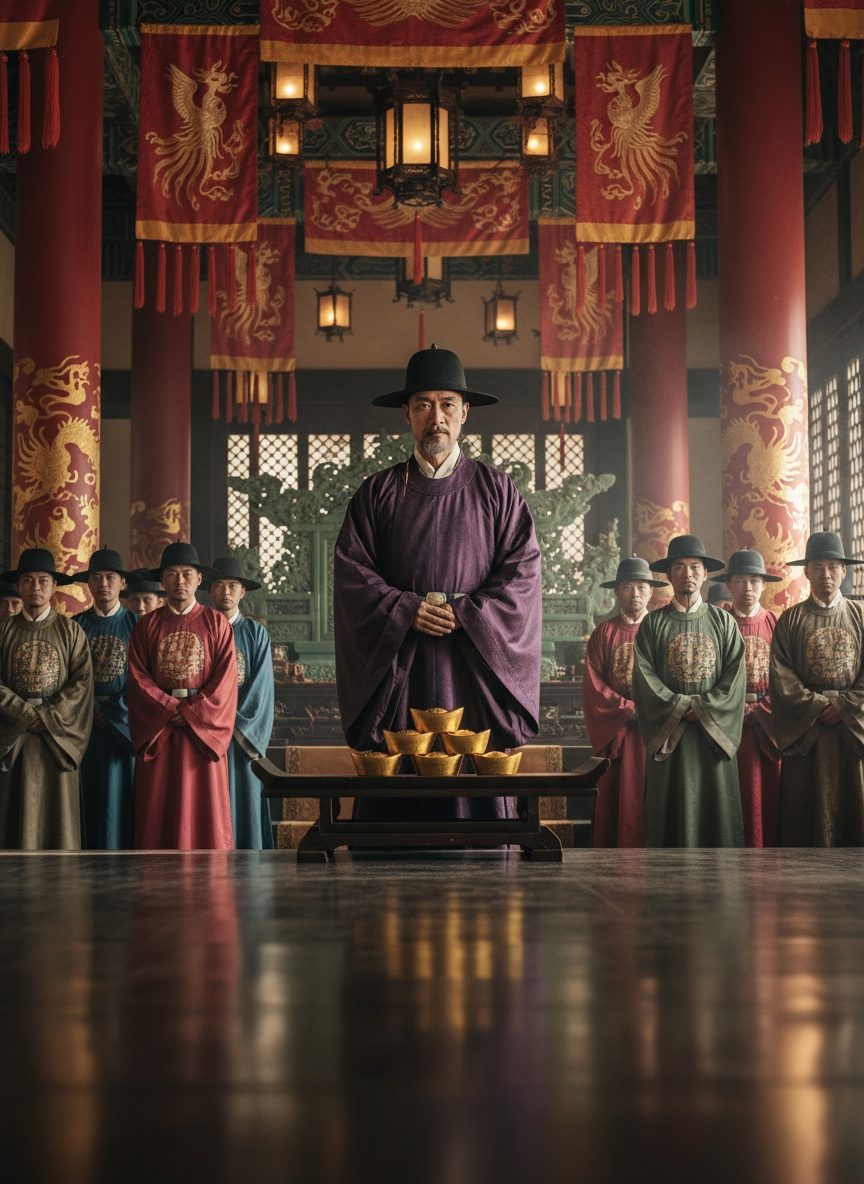
Silence gripped the vast hall as Wei Zheng, eyes steady and resolute, strode across the intricately tiled floor. The court, a swirl of vibrant silks and muted whispers, watched breathlessly. Scents of incense mingled with the faint aroma of the morning dew that clung to the garden beyond. It was a scene set for drama: the Emperor of the Tang Dynasty, Taizong, awaited his counselor's response. Before Wei lay a fortune in gold, stacked meticulously as if to form a small mountain — a reward for loyalty, an encouragement to keep quiet rather than confront wrongs. Yet, in an era and culture where wealth and gifts wielded the strength to bend even iron wills, Wei Zheng's refusal cut through the air like the sharp edge of a sword.
Wei Zheng was no stranger to the machinations of power. Once a minister to the Sui Dynasty, he had witnessed firsthand the corruption that gnawed at the integrity of governance. Conscience forged in this fiery experience, he now served under Emperor Taizong — a ruler both beloved and feared for his strategic genius and iron-handed rule. Wei Zheng had earned his position not merely as a conduit for good advice but as a bulwark against the blindness of unchecked power.
The court of Emperor Taizong was a landscape vibrant in both its cultural achievements and its political complexities. In the wake of the Sui collapse, the Tang Dynasty bestowed a new dawn upon China, forging roads of innovation, poetry, and philosophy. The court was a kaleidoscope of intellectual dialogue and diplomatic intrigue. Yet, with power came those who understood how to wield it for personal enrichment, lurking in the corridors of influence, festering until a brave soul dared to expose them.
Wei Zheng's showdown with the corruption was born of necessity. Reports, like whispers through bamboo reeds, had reached his ears of officials using their positions to line their pockets, abusing the trust placed in them by the Emperor and his people. Such acts threatened the stability and honor of the burgeoning empire, striking at its moral core. Wei Zheng gathered his evidence methodically, risking his stature, his very life, to bring the truth before the Emperor. Success in exposing these misdeeds would spell a victory not for himself but for the empire's integrity.
As he approached the throne, the gold gleaming temptingly, invoking the ages-old allure of wealth, Wei Zheng's mind was set. He paused within reverent distance, a quiet resolve burning in his eyes as if they alone could dismantle the mountain of gold. "I decline your generosity," he declared, his voice carrying a weight that seemed to silence even the streams in the gardens beyond. Instead, he petitioned for a more stringent examination of the officials, for reforms that would ensure justice flourished as freely as silk in the spring breeze. The hall, poised on the knife-edge of tension, held its collective breath.
The Emperor, astute and keen, regarded his advisor with a mix of admiration and caution. To the people, Taizong was the "Son of Heaven," tasked with maintaining the Mandate of Heaven. He understood that Wei Zheng's plea was not merely for accountability; it was a signpost pointing towards a more significant path. For a dynasty to thrive, it must root out the rot sowed by greed and neglect. Wei Zheng's demand for justice, rather than wealth, challenged the Emperor to reflect on his epoch's direction.
In this moment, what happened around that small mountain of gold became symbolic. Wei Zheng wasn't merely rejecting a bribe; he was advocating for an empire where values held greater currency than coins. Such an act would inspire generations, a beacon to those who sought integrity above all else. His courage exemplified what the court needed: a moral compass steadfast enough to challenge corruption head-on and demand a transformation.
What followed was a tense yet fruitful dialogue sculpted to shape the court's future. Through his actions, Wei Zheng reminded the Emperor of a leader's crucial responsibility — to remain vigilant, foster transparency, and cultivate a culture that disdained corruption. The Emperor, recognizing the sincerity and gravity of Wei's plea, initiated reforms designed to uphold these standards, ensuring the flame of prosperity would shine, unblemished by the shadow of corruption.
Wei Zheng's stand reverberated beyond the courtrooms and into the annals of history, demonstrating a commitment to principles that carried weight far beyond the singular moment. As Tang China thrived, it became a testament to those courageous enough to place justice above personal gain. This story, barely whispered today, is one of those powerful moments of clarity where a single decision reverberates across time, influencing not just a dynasty but setting precedents echoing even in the governance of today.
In an age when voices like Wei Zheng's can be both rare and precious, his stance remains an instructive parable. It teaches us of the importance of courage, the power of integrity, and how even one man's principles can incite change that outlasts kingdoms. For history is not just shaped by the battles fought or the borders drawn, but by the quiet fortitude of those who, facing the allure of gold, ask for justice instead.