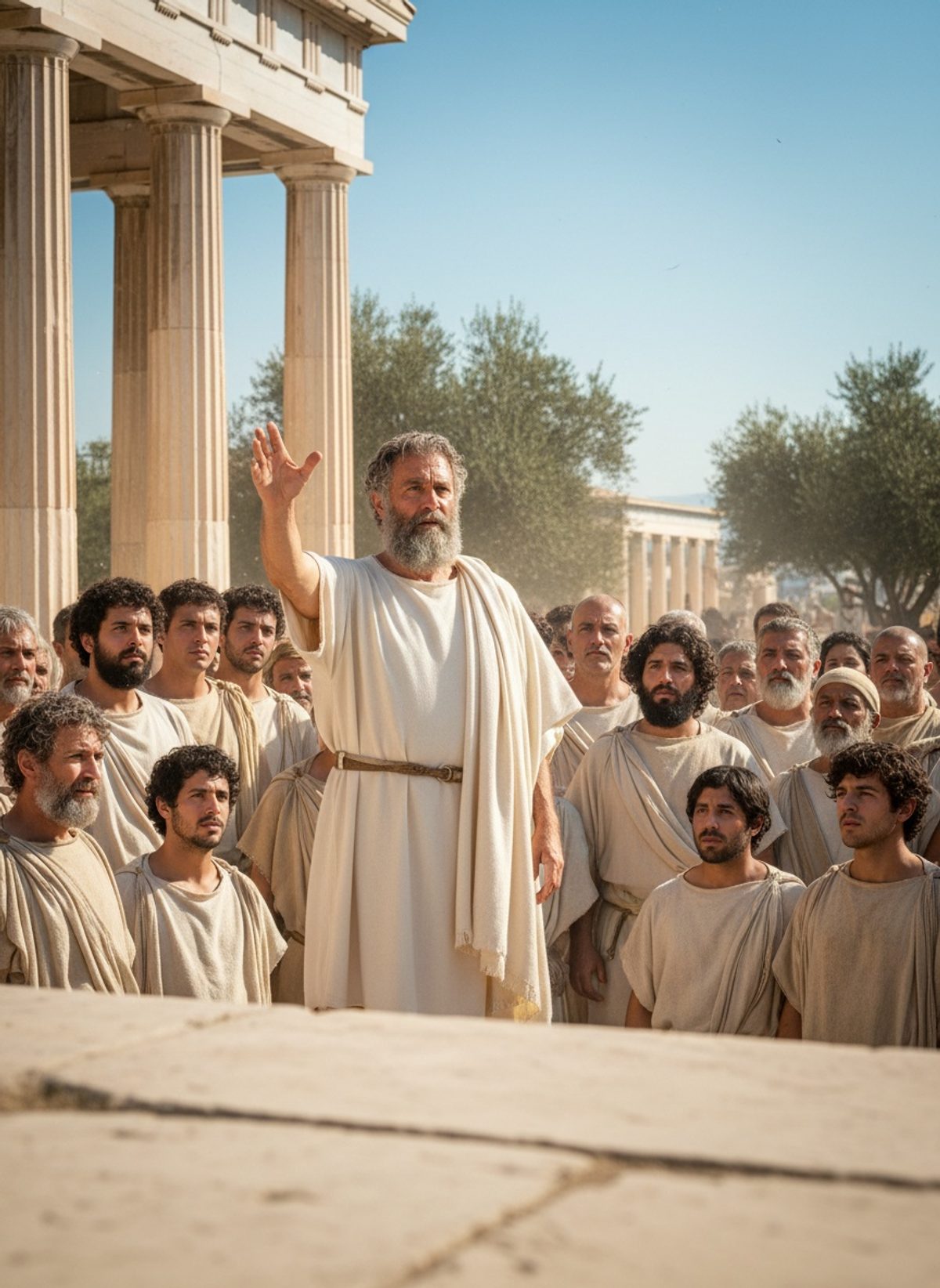
Polycrates never feared his enemies. The real threat, he believed, came from the heavens.
The Golden Era of Samos
In the 6th century BC, the island of Samos, situated in the azure expanse of the Aegean Sea, was more than just a speck of land in ancient Greece. It was a thriving, pulsating hub of commerce and culture, under the firm grip of its daring tyrant, Polycrates. Known for his charisma and invincible charm, Polycrates ruled with an iron fist, yet he was adored and respected by many. His story is one of opulence and opportune fortune that beckoned admiration—and envy—as he led Samos to unprecedented prosperity.
Samos boasted a flourishing economy driven by trade and production, bringing wealth beyond the island's needs. Many historical accounts celebrate the ornate temple of Hera, a testament to the island's cultural prestige under Polycrates. His achievements, however, did not merely stem from good governance. Polycrates was a man of unrelenting ambition, who built an impressive naval fleet, the likes of which could challenge the mightiest powers of the Mediterranean.
Yet, it was this very triumph that laid the seeds of doubt in the hearts of his peers and allies. As his wealth and power grew, so did the whispers of Olympian envy. To those around him, his fortune seemed boundless and his destiny too favored by the gods—a phenomenon as much cause for suspicion as celebration.
A Warning from An Ally
Polycrates’ exploits reached the ear of Amasis, Pharaoh of Egypt, a friend and ally turned silent observer. Despite the distance, Amasis recognized a perilous pattern. In a letter, he advised the Samian ruler to create a voluntary loss, a deliberate act of sacrifice to appease the jealous gods. Amasis knew that unchecked good fortune often attracted divine retribution, for the gods of ancient Greece were known for their fickle temperament and quickness to humble those who rose too high.
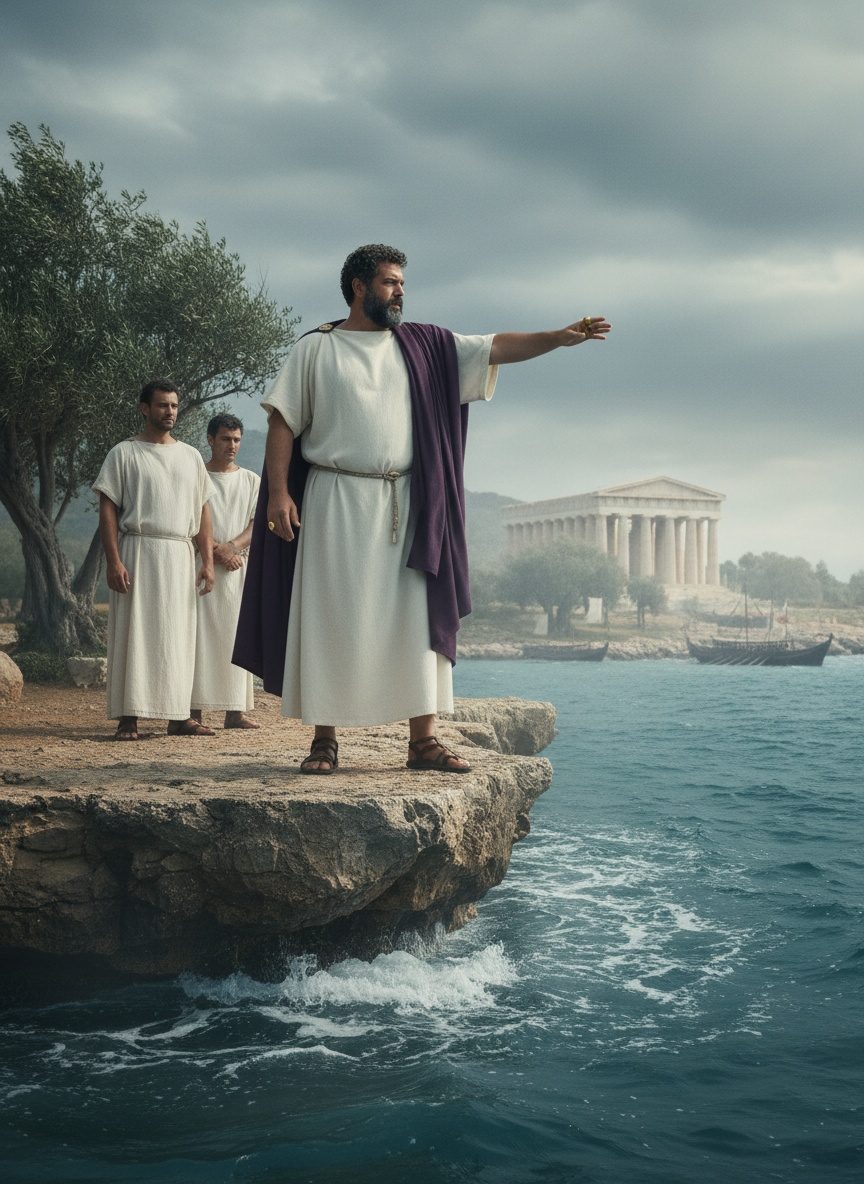
Taking heed of this caution, Polycrates made a decision that would ripple through the annals of history. Heeding Amasis's counsel, the tyrant selected his most treasured possession—a magnificent golden ring embellished with a precious gem. Its craftsmanship was known throughout the region, a symbol of his power and taste. Polycrates boarded his ship, and in the presence of his closest aides, he hurled the ring into the deep blue sea. It was an offering to the gods, an acknowledgment of his mortality and the uncertainty even he couldn't dismiss.
An Ominous Return
The gods, it seemed, had their own plans. A few days after the ring had sunk beneath the waves, a local fisherman caught a notably large fish. It was a common occurrence in Samos, yet this catch held an unexpected surprise. Within the belly of the fish, glistening among its entrails, lay the very ring Polycrates had tossed away. Astounded by the find, the fisherman rushed to the tyrant's palace, presenting both the fish and the precious item.
Word of the ring's return spread quickly, leaving the Samian court in a state of bewilderment and awe. To his subjects, it was a moment of marvel—a hint of the gods' approval or, perhaps, a foreboding sign of worse things to come. Polycrates himself was confronted with the bittersweet nature of fate, as his attempt to ward off misfortune had resulted in an even greater omen of divine intervention.
Though the return of the ring should have been a boon, it was instead a rhetorical question posed to fate. Had the gods returned it as a gift or a warning? It was a moment filled with ambiguity, as the forces of destiny seemed to lay a tangled web that even he couldn't manipulate.
The Irony of Fate
Ultimately, Polycrates' story is not only one of excessive abundance but of the peculiar equilibrium sought by the ancient Greek worldview—a balance between fortune and adversity. Despite his conscious effort to appease the gods, Polycrates would eventually fall from grace, captured and executed by the Persians. His death was as dramatic as his life, a reminder that even the sharpest minds and strongest arms are not impervious to the fickle tides of fate.
The tale speaks to the mysterious interplay between hubris and humility, a dance with destiny as relevant today as it was in ancient Samos. The story of Polycrates serves to illuminate an essential truth about the human condition: our relentless pursuit of success is only meaningful when tempered with the wisdom to know its limits. It is a notion that transcends time, echoing in the hearts of those who dare to dream beyond reason, only to find, as Polycrates did, that even the sea may return what is cast into it.