Most scrolls trapped under the ash of Mount Vesuvius seemed forever unreadable. But science has a new tale to tell.
Resurrecting the Voices of Herculaneum
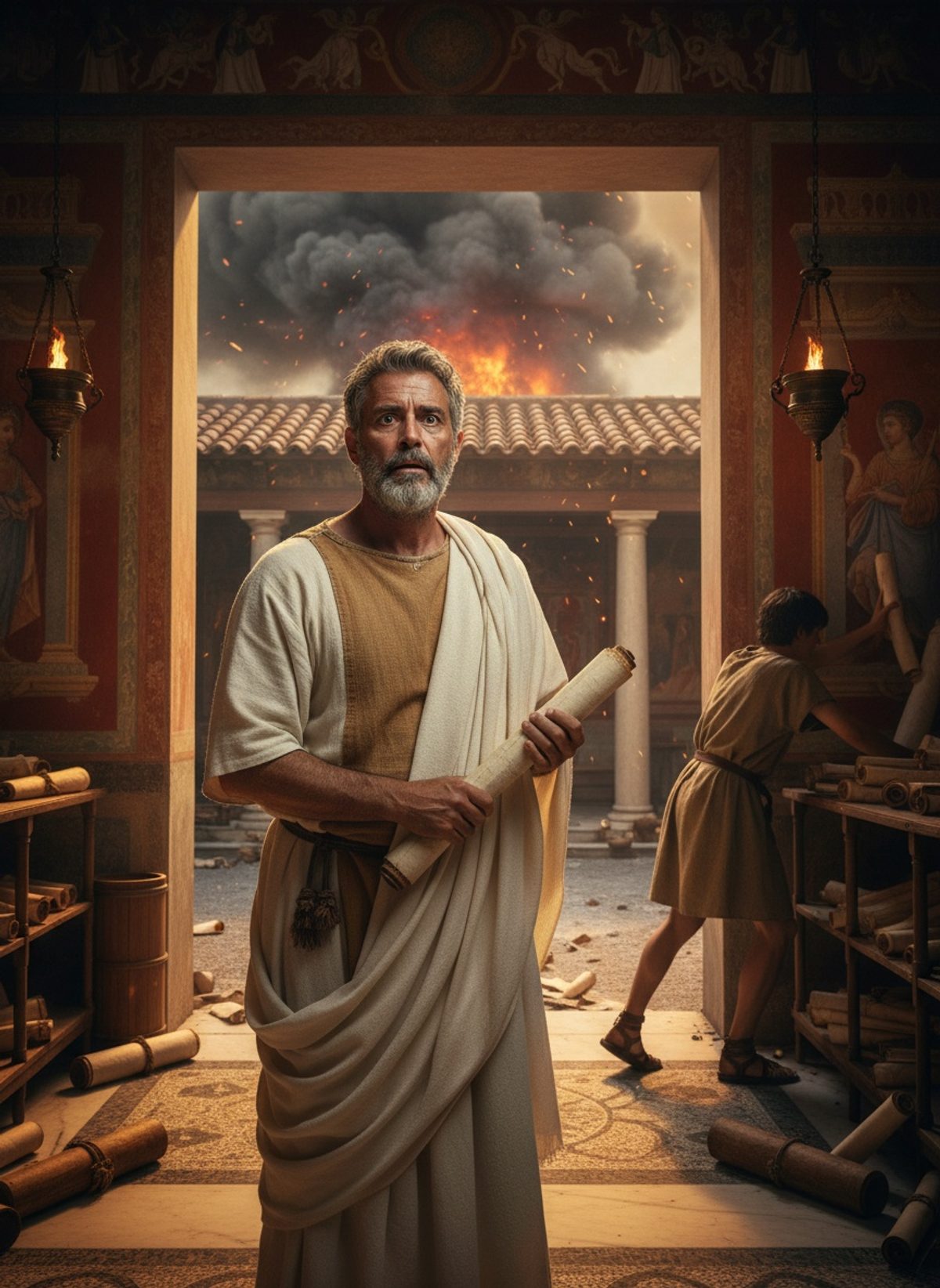
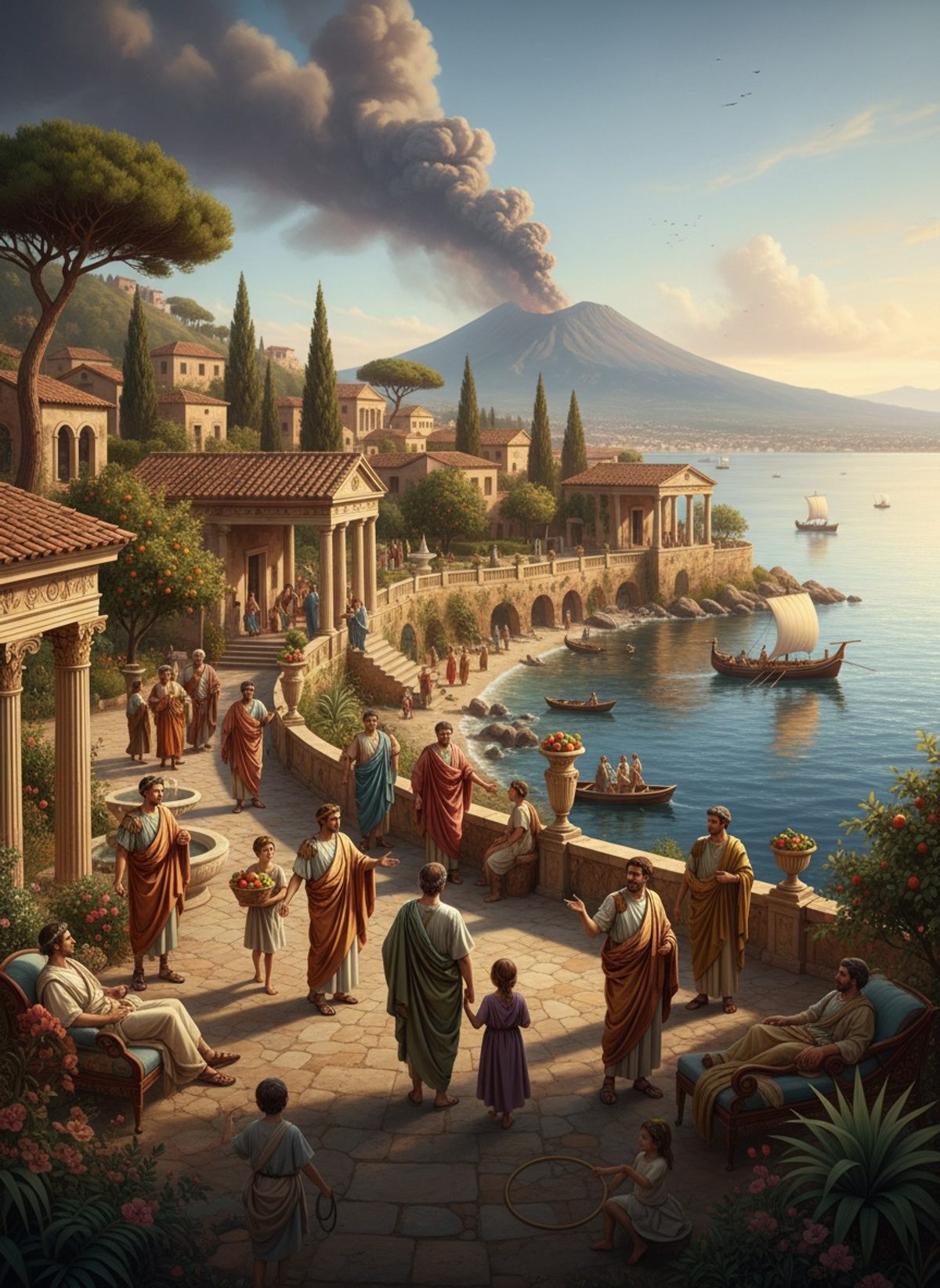
In the year A.D. 79, a monumental disaster buried the town of Herculaneum under volcanic ash and pumice, sealing its culture in a time capsule for nearly two millennia. While Pompeii often steals the spotlight, it's Herculaneum that fascinates scholars due to its rare collection of ancient Roman scrolls. Discovered in the 1750s, these charred papyrus rolls were once part of a grand intellectual library, possibly owned by Lucius Calpurnius Piso, Julius Caesar’s father-in-law. Encrusted with layers of blackened ash, the scrolls survived—but in a cruel twist of fate, they were essentially unreadable.
The tragedy of Vesuvius had transformed the papyrus scrolls into brittle objects, seemingly devoid of their sacred content. For years, the few scholars who dared to open the fragile remains often destroyed them in the process, leaving a tantalizing enigma out of reach. This site, however, was unlike any other of the ancient world. Here lay secrets of the Greco-Roman intellectual world, locked away—until now.
Enter a breakthrough in archaeological technique harnessed by beams of light rather than hands. Modern researchers aspired to penetrate these ancient treasures without direct contact. Thus, they turned to sophisticated X-ray technologies, originally intended for examining hidden layers in artwork and fossils. The irony is exquisite: a technology built to illuminate the past was now devised to do so in its most literal sense.
The Alchemy of Lead Ink
Many ancient texts owe their existence to the use of lead in ink—a practice that, for centuries, lent pigments their permanence. This might have been either a deliberate choice or a byproduct of the available materials. Lead, used extensively in the ancient world, makes ancient texts possibly 'visible' even when buried under layers of carbon. But this was a quixotic theory—until it was tested and confirmed.
Pathbreaking experiments now involved creating brand-new scrolls with lead-enriched inks. These were made to mimic the original documents. Through carefully controlled burning, researchers carbonized these experimental scrolls, eager to see whether their joint alchemy of ink and flame could indeed be read by X-ray.
The results astonished the archaeological community as ink not visible to the naked eye suddenly glimmered under X-ray analysis. This was done by detecting the spatial presence of lead particles scattered within the papyrus, a marvelous echo of the scroll's nature. Coupled with artificial intelligence, a marriage of classical and cutting-edge techniques provided a sliver of the scroll's 'voice', revealing characters and words thought lost. This opportunity presented a major step forward, introducing hope that texts from Herculaneum’s still-unopened scrolls might be read without causing them irrevocable harm.
It’s akin to waking a titan from slumber and makes the prospect of rediscovering unknown Greek philosophical works, potentially even writings of Epicurean philosophers who cherished their Herculaneum retreat, thrilling for historians.
The Unfulfilled Promise of Lost Knowledge
As this novel method pulls these words from silence, one wonders what narratives lie dormant within. Hidden among these scrolls could be the works of ancients, writings perhaps unique to Herculaneum, offering insights into the Roman worldview, culture, and intellectual pursuits. There's a romance in entertaining the possibility of uncovering a long-lost commentary by an Epicurus follower or a new philosophical text unknown to modern classics.
The resurrection of such voices is not merely about reclaiming lost books but also about embracing future possibilities for historians and scholars. With these techniques, lost epistles might push the boundaries of known philosophy, history, and literature, reframing existing paradigms. Each segment of text read offers a key to that wider legacy—a bridge to understand how those who lived before us saw the world.
As scientists and historians continue their exploration, these Herculaneum scrolls remind us that all that is hidden may someday be revealed. They whisper of time’s secrets and affirm that even in destruction, there lies a whispered promise of rediscovery. This feat isn’t only about reading words; it's a venture into connecting past and future—because sometimes, the stories they never taught you in school offer more than just secrets of history; they offer glimpses of humanity itself.