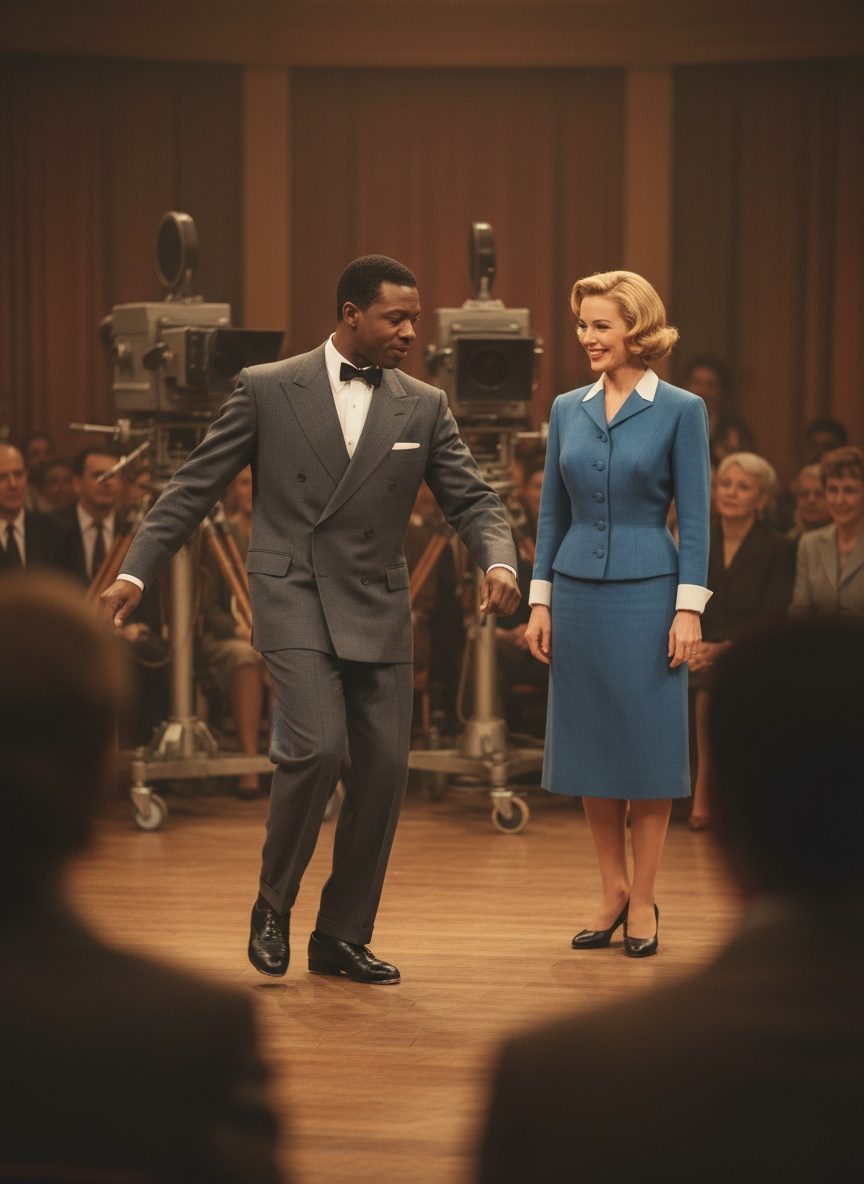
Betty White was a rebel. She defied the segregationist pressures of 1950s America by shaping her TV show to reflect her values, not just those of her sponsors. And for Arthur Duncan, a young Black tap dancer aiming to break into television at a time when opportunities were scarce, her decision was more than just kind. It was transformative.
In 1955, television was a relatively new medium, exploding in popularity and cementing its place in American homes. Betty White, then just a rising star herself, hosted and produced "The Betty White Show," a daytime variety program that sought to sprinkle a dash of humor, music, and dance into the lives of its viewers. But as her show garnered attention, so did the racial tensions simmering beneath the surface of American society. The South, especially, was a hotbed of dissent, clinging defensively to the entrenched norms of segregation. This backdrop set the stage for an act of courage that would resonate far beyond the confines of a television studio.
Arthur Duncan, barely in his mid-twenties, was one of the few Black performers to appear regularly on network television during this era. His talent was undeniable — a whirlwind of rhythmic brilliance that mesmerized audiences and evoked the raw energy of a bygone era of American entertainment. But his presence on White's show became a point of controversy. Southern television stations and commercial sponsors, wary of the backlash from their racially conservative viewership, exerted immense pressure on White to drop Duncan from the show.
The ultimatum was clear: if Duncan remained, the show would be pulled from Southern stations, significantly impacting its reach and profitability. In 1950s America, many would have understood if White had bent to these demands. But understanding was not endorsement, and Betty White was not one to acquiesce. In a decision as calculated as it was courageous, she dismissed the threats with her characteristic charm and wit, reportedly saying, "Sorry, but he stays. Live with it." Yet, she didn't just allow Duncan to stay — she rebelled further by increasing his screen time, further elevating his presence and showcasing his talents.
The decision was as much a testament to White's moral integrity as it was to her genuine appreciation for talent, regardless of color. It reflected a quiet rebellion, a personal stand that rippled through the industry and beyond. White's support not only bolstered Duncan's career but also reinforced a budding narrative that television could, and should, be a medium for challenging the status quo.
For Duncan, the expanded airtime on Betty White's show became pivotal. It provided a national platform, leading to recognition that might have otherwise taken longer to achieve, if at all. His skillful footwork and charismatic presence captivated audiences and paved the way for future opportunities, including a long-standing role on "The Lawrence Welk Show." Duncan never forgot the boost that Betty White gave him. In later years, he openly expressed his gratitude, acknowledging her as a critical force behind his early success. His respect and admiration for White were shared by many who understood the broader implications of her decision.
The 1950s were a decade marked by a struggle for racial equality that would crescendo into the Civil Rights Movement of the 1960s. Within this context, White's decision to keep Duncan on her show, and to give him even greater prominence, represented more than just an isolated act of defiance. It was a quiet assertion of human dignity and a subtle protest against the racial injustices endemic in American society.
In retrospect, it's easy to view White's decision through a lens of modern ethical standards where diversity and inclusion have become guiding principles. But at the time, it was a remarkable act of foresight and courage. While it may not have directly dismantled systemic barriers, it chipped away at them, one dance step at a time. This ripple of rebellion contributed to a broader cultural shift, encouraging others in entertainment to embrace a more inclusive vision.
Betty White's life spanned generations and cultural epochs, and her career bridged transformations in both television and societal attitudes. Yet among her numerous accolades and accomplishments, her decision to support Arthur Duncan remains a powerful testament to the impact of individual choices in the face of social injustice. In today's world, her story invites reflection on the nature of courage, the responsibilities of those with a platform, and the enduring need to stand by what is right, even when it is unpopular.
This narrative serves as a profound reminder that sometimes, tremendous change begins with a simple act of refusing to yield. In doing so, Betty White and Arthur Duncan took a step toward a more inclusive future — together, on a television stage.