The blade gleamed with a sinister sheen, the cold metal a stark contrast against her warm, trembling hand. Arria was silent as she drove it into her own chest. Her breath caught for an agonizing moment before she withdrew it, the sharpness now streaked with crimson. Turning swiftly, she placed the hilt into her husband Caecina Paetus’s shaking grasp. Her eyes, fierce with conviction, met his. "It does not hurt," she whispered, offering him not just the weapon, but a fragment of fortitude drawn from profound love and unyielding resolve.
A Home Under Siege
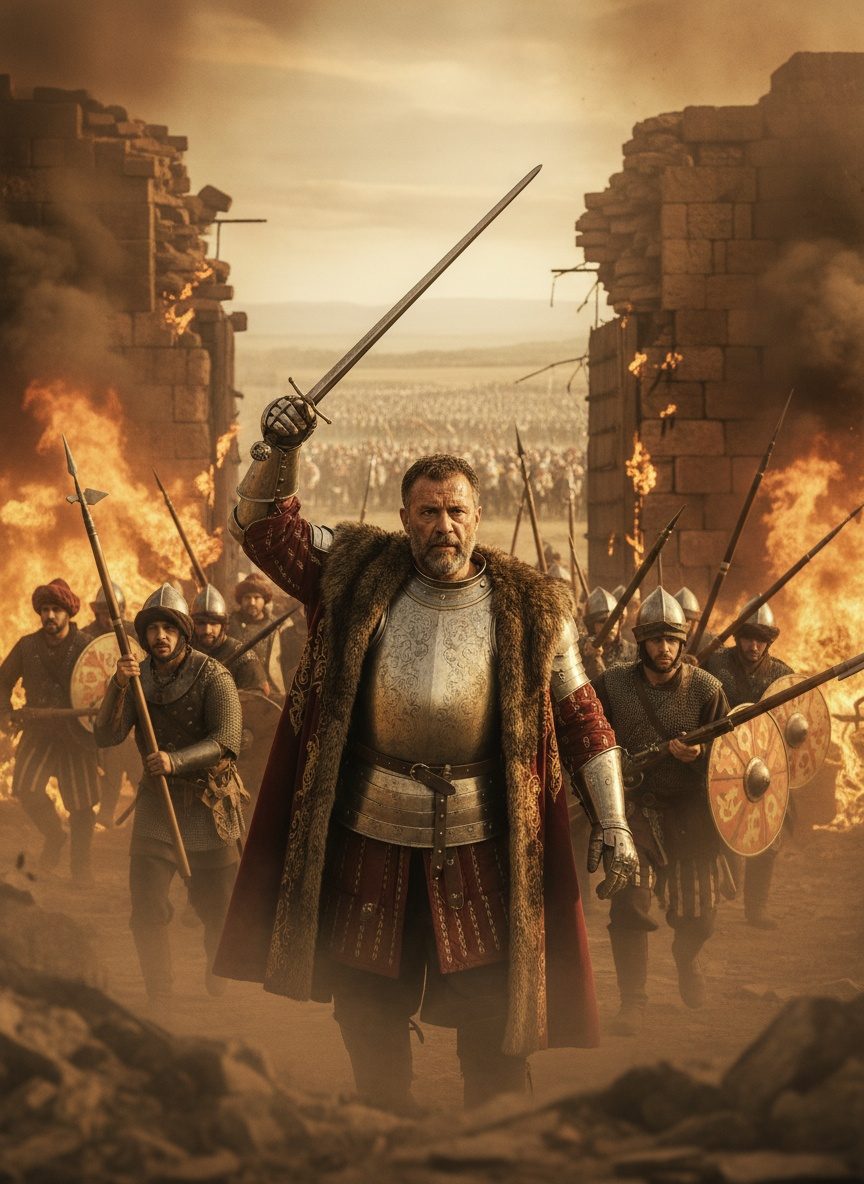
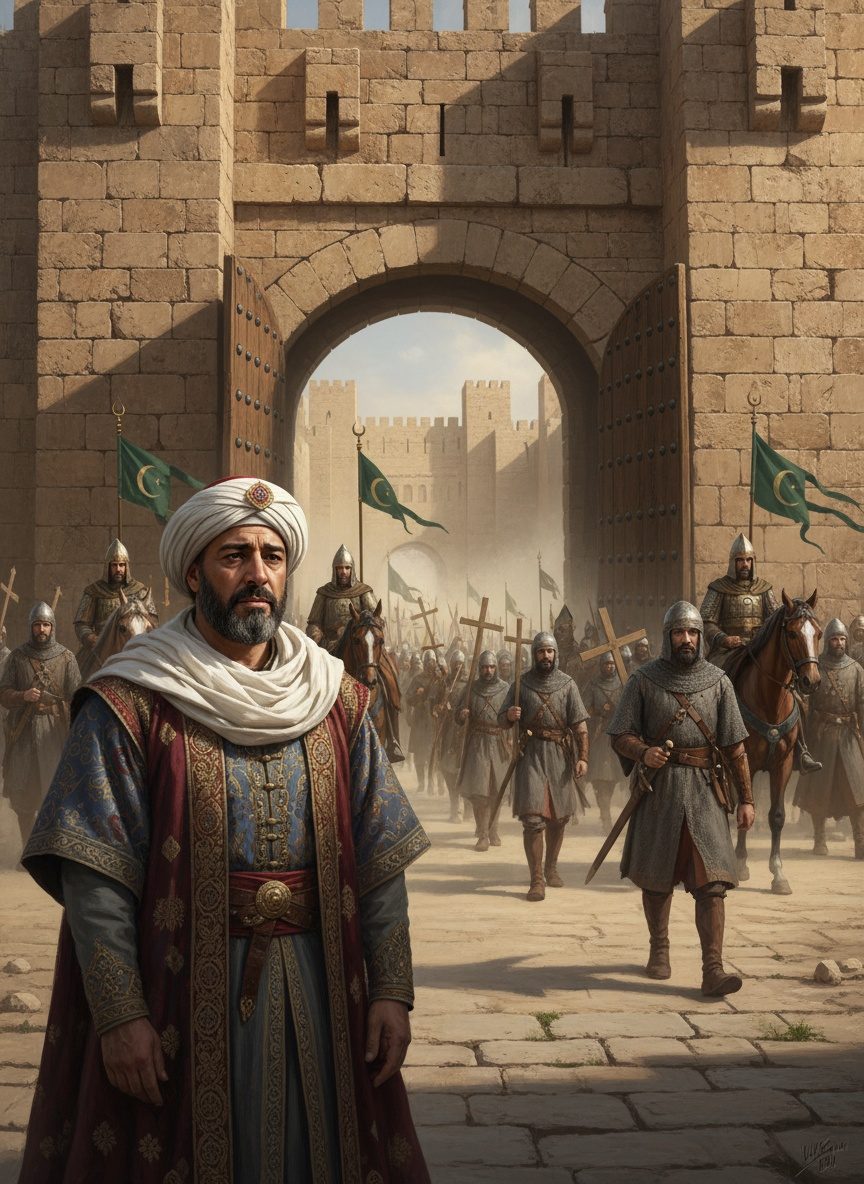
Rewind to a home that not many centuries later would become synonymous with ancient grandeur — Rome. Yet it was a city throbbing with uncertainty in 42 CE, shadowed by political machinations and intrigue. Emperor Claudius sat on the throne, his rule fragile and often contested. Among those who rose against him was Paetus, a senator whose involvement in a botched rebellion had sealed his fate.
For Arria, the wife of a condemned man, each day felt like an endless watch, tethered between a clash of duty and despair. Their home, once a sanctuary of political discourse and societal gaiety, had devolved into a waiting room of doom. Soldiers, stationed as constant reminders of her husband’s inevitable execution, hovered with unwavering vigilance. But within their confines, Arria nurtured a spirit unbroken, crafting her own narrative of love and sacrifice.
A Marriage of Equals
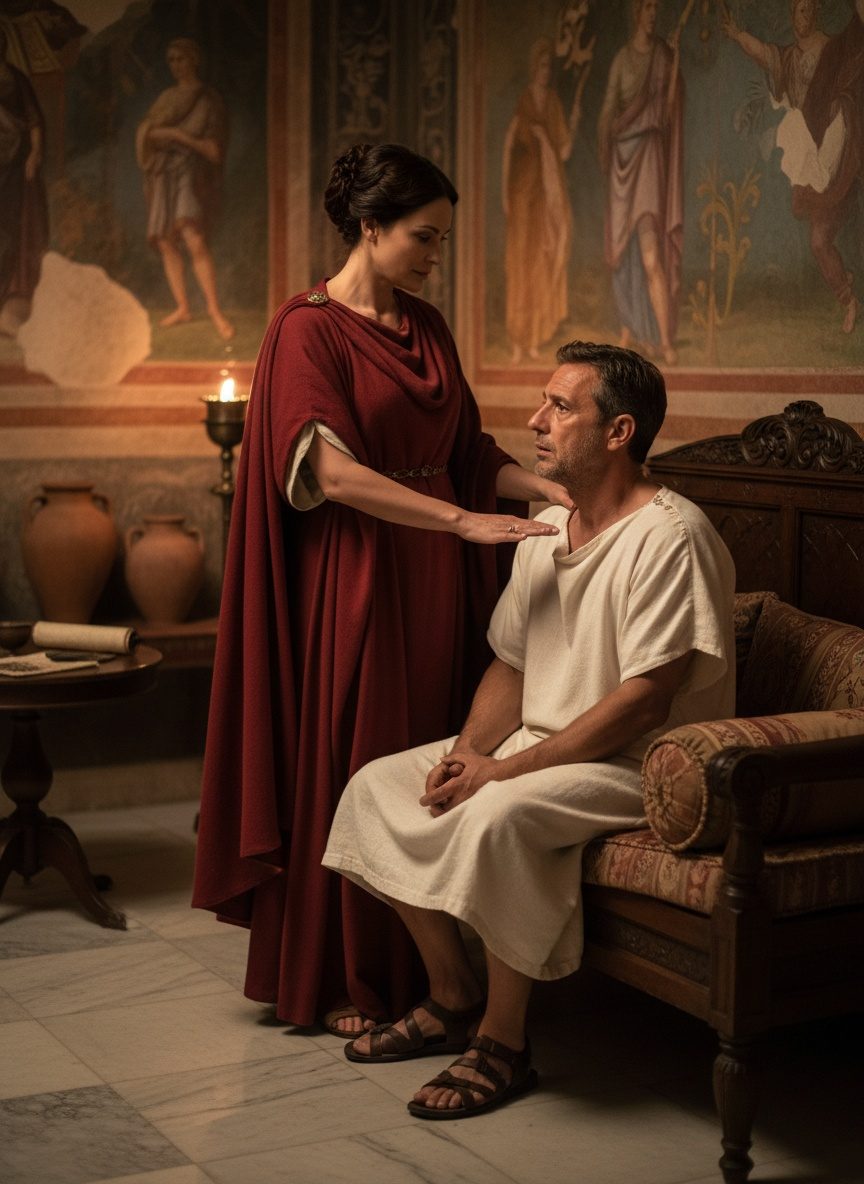
Perhaps what influenced Arria’s defiant act was their union itself, one nestled comfortably within the annals of history not for its splendor, but for its partnership. Rome’s marital norms demanded both loyalty and unseen servitude. Yet Arria and Paetus’s bond held echoes of contemporary affinity, marked by mutual respect and intellectual parity — qualities not entirely common amidst Rome’s elite.
While history often shrouds the private lives of its notable figures in a mist of assumption, glimpses into their marriage reveal a rare, albeit imperfect, harmony. Through his trials, Paetus had confided in Arria, seeking her counsel in times of professional and personal turmoil. In turn, she stood not merely as a spouse, but his confidante and equal. When the rebellion met its dire end, she understood implicitly that their shared journey required its ultimate test.
The Act of Courage
Arria’s decision to join Paetus on his terminal path was no abrupt gesture but a deliberate pledge — one forged in the heart-wrenching fires of love and desperation. As Paetus awaited his grim sentence, Arria concocted her rebels’ strategy, a quiet rebellion against her husband’s plight. Even in Rome’s brutal patriarchal society, she proved that women’s actions could blaze paths as significant as any senator’s words.
Her infamous last declaration to Paetus, "It does not hurt," reverberated not merely as an utterance of bravery but a supplication to reclaim agency in an era where fate was often dictated by opaque forces far removed from personal control. It was an intimate exchange; her life's love rendered in a few breathless words and a shared steel. She not only reshaped her destiny but urged Paetus to face his with grit once seemingly impossible.
Whispers Through the Empire
Arria’s astonishing act was whispered through the cobbled streets of Rome, reaching households and enclaves where tales of devotion accompanied the flickering torchlight. Among the Roman populace, the legend of Arria persisted, enduring as both inspiration and cautionary tale. Stories of female resilience in antiquity were not always chronicled with the reverence they might inspire today, yet Arria’s sacrifice rippled through time, challenging future generations to reflect on the limits and power of human bravery.
These murmurs were not confined to the corridors of those with means. It permeated classes, emboldening discussions on honor and valor, especially within a society confronting the tumultuous tides of uncertainty and reform. Her act became a symbol — a quiet defiance transmitting strength in restraint, valor distilled to a poignant essence beyond the blade.
The Enduring Question
Arria’s story, sequestered in layers of historical lore, remains as fiercely relevant today, probing the essence of courage and its implications within personal sacrifice and communal memory. It unfolds the paradox human nature embraces when faced with insurmountable odds — the clash between the instinct for self-preservation and the profound empathy that transcends it.
In contemplating Arria’s choice, we are compelled to question our definitions of courage and the panoramas they paint across time and space. Her final act, a simultaneous surrender and assertion of strength, resonates through millennia, compelling us to reflect on the myriad forms bravery might take in our own lives. This ancient narrative ultimately invites an ageless dialogue between despair and defiance, asking each participant in the ongoing human saga: What worth do we place on the fearless heart?