In the heart of ancient Egypt, where the Nile's waters nourished a civilization, a monumental shift stirred within the walls of the royal palace. It was here, amidst the grandeur of Amenhotep III's reign, that an unforeseen ascent to power took place—one that would defy tradition and alter the course of Egypt's royal lineage. This is the story of Yuya, a commoner whose destiny intertwined with that of the Pharaoh, elevating him to the status of the most influential non-royal figure of his time.
The Arrival of Yuya: A Newcomer from the Provinces
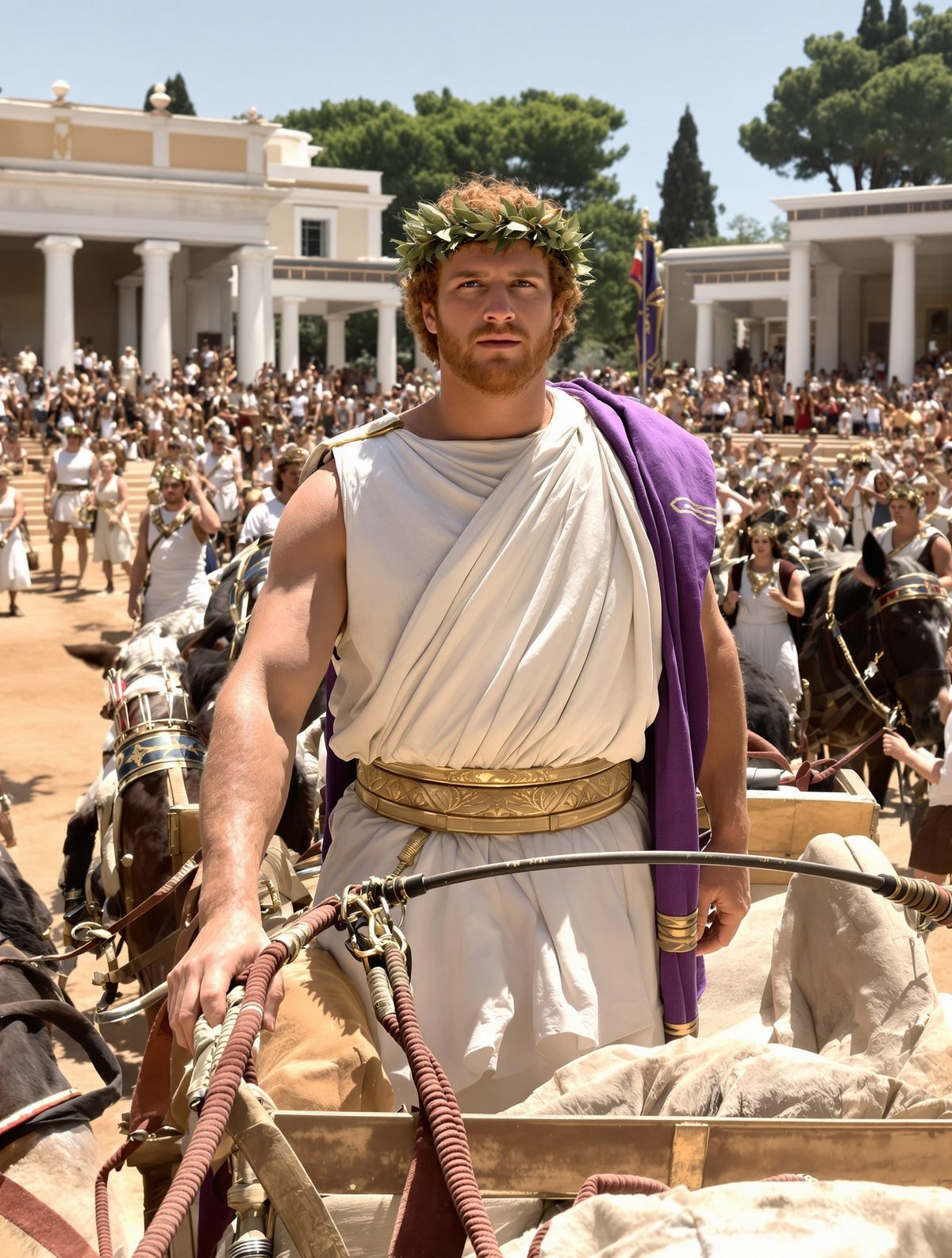
Picture the bustling streets of a provincial Egyptian city around 1390 BC. The air buzzes with anticipation as a sturdy chariot races through the dust-laden path, its master, Yuya, steering it with the expertise that only years of military service could bestow. Yuya, a chariot commander, had risen through the ranks, earning a reputation for both his prowess and integrity. He was a man from the provinces, unattached to the complexities of royal bloodlines, yet unknowingly destined for courtly significance.
Yuya's journey to the heart of Egypt's power began with his daughter's charm. Tiye, his remarkable daughter, possessed a beauty and intelligence that caught the eye of the most powerful man in the world—Pharaoh Amenhotep III. Despite the abundance of princesses from every corner of the known world residing in the Pharaoh's palace, Tiye's unique allure could not be ignored.
Tiye: The Girl Who Captured a Pharaoh's Heart
What must it have been like for Tiye, stepping into the labyrinthine corridors of the royal palace, her eyes meeting the regal gaze of Amenhotep III? Surrounded by the elegance of foreign princesses, Tiye stood apart—not just for her grace, but for her mind. The Pharaoh, known for his appreciation of intellect and wit, found in her a partner unlike any other.
It was a departure from tradition. Historically, the title of Great Royal Wife was reserved for women of princely blood, yet Amenhotep was captivated. Tiye was to be his wife, a decision as daring as it was unprecedented. In a grand ceremony that broke the mold of royal matrimony, Tiye was crowned, not as a consort but as Pharaoh's equal in spirit and strength.
A Commoner's Rise: Yuya as Pharaoh's Kin
With Tiye at the Pharaoh's side, Yuya—the charioteer from the provinces—found himself thrust into a role of profound influence. As the father-in-law to the king, Yuya navigated the intricacies of court life with a steadfast resolve. His prior experiences had armed him with the wisdom to wield power, not through birthright but through merit. This was a rarity in ancient Egypt—an empire known for its rigid class system.
Yuya's titles proliferated swiftly. He became the "Master of the Horse," this title showcasing his military acumen and essential role in the Pharaoh's command. Moreover, he was appointed "Father of the God," an esteemed title securing his position within the inner sanctum of power.
The Legacy of Power: Yuya's Lasting Influence
Yuya's rise was more than personal triumph; it marked a shift in how power could be defined within Egypt's gilded halls. His tomb, an elaborate resting place discovered in 1905, stands testament to his remarkable influence. Unlike typical noble burials, it held treasures echoing the wealth and status once attributed to him. Within these hallowed chambers, archaeologists unearthed papyri inscribed with spells from the Book of the Dead, golden chariots, and magnificent gilded coffins.
Yuya's familial connections extended far beyond his lifetime. His legacy persisted, entwined with the very fabric of Egyptian history. Tiye's own son, Akhenaten, became one of Egypt's most controversial pharaohs, known for his revolutionary embrace of monotheism. Yuya's bloodline coursed through the veins of rulers who continued to shape Egypt's legacy.
Why Yuya's Story Matters Today
Why does the saga of Yuya, a chariot master turned patriarch of Egyptian royalty, resonate with us today? In a world often stratified by birth and circumstance, Yuya's tale reminds us of the potential for transcendence beyond societal bounds. It underscores how merit, character, and fortuitous connections can pave unexpected paths to greatness.
Moreover, Yuya's story challenges the monolithic portrayals of ancient civilizations as stagnant hierarchies, unveiling the complex social dynamics that coursed beneath the surface. For modern explorers of history, his journey from obscurity to prominence illuminates the endless tapestry of human potential—woven anew each time an unseen path beckons us forward.