In the sun-drenched Aegean of the 6th century BC, a peculiar drama unfolded on the island of Samos, where Polykrates, the tyrant ruler, faced a conundrum that seemed more myth than reality. Success on the battlefield came as easily to him as the tempestuous sea yielded to the will of his formidable navy. Yet even in a life of extraordinary achievement, something darker loomed on the horizon: the envy of the gods.
The Grand Strategist of Samos
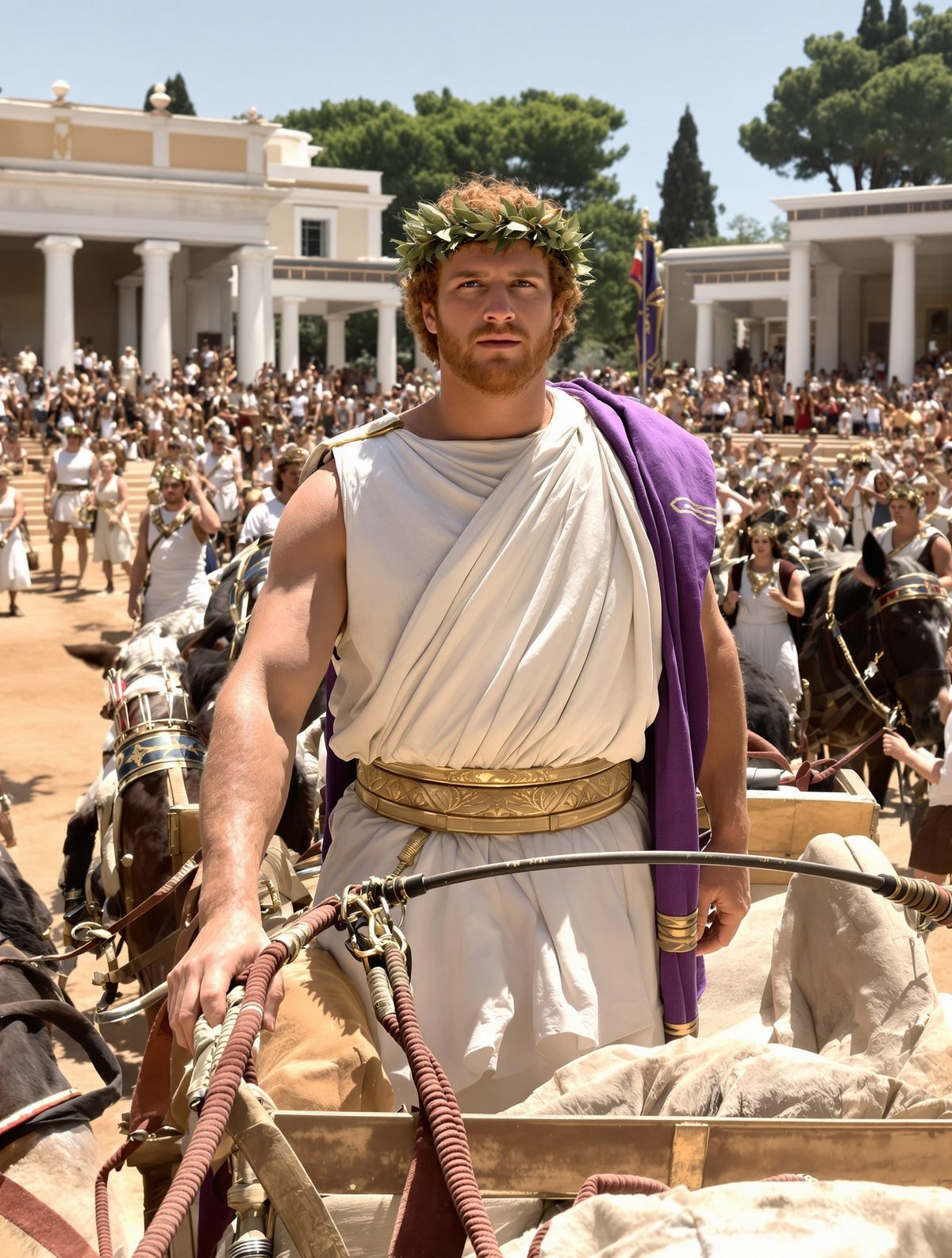
The island of Samos, one of the jewels of the Aegean Sea, flourished under the reign of Polykrates from around 538 to 522 BC. Known not only for his military genius, Polykrates also turned Samos into a significant cultural and economic powerhouse—a beacon of prosperity that attracted the envy of its neighbors. With an eye for grandiosity, he adorned the island with magnificent buildings, including temples and aqueducts, making Samos synonymous with wealth and splendor.
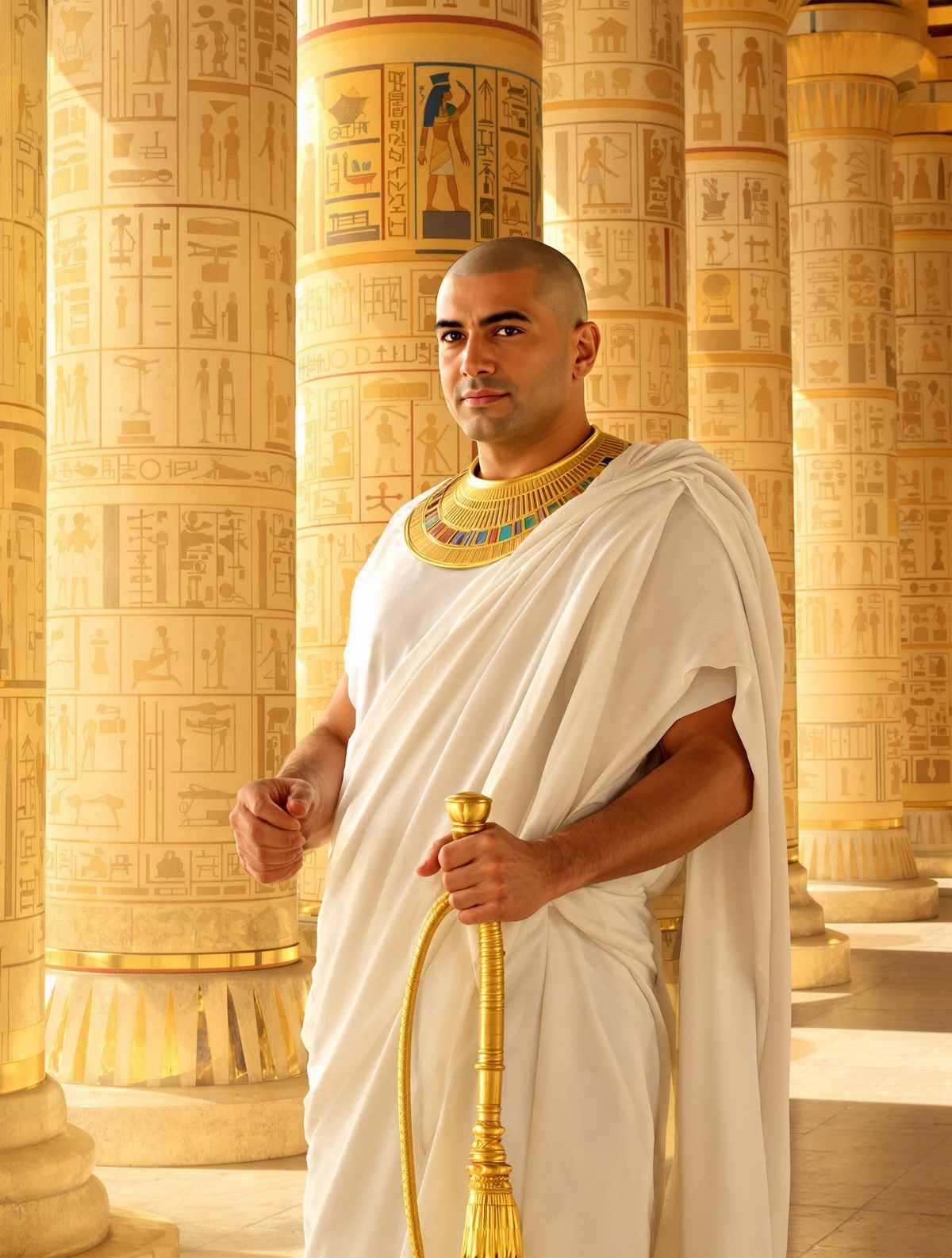
Polykrates’ strategic prowess was evident early in his rule when he cleverly secured Samos’s dominance by forging alliances with powerful entities such as Amasis II of Egypt. His fleet of 100 triremes was unmatched in the Aegean, ensuring his will was both heard and felt across the seas. Yet, in the backrooms and whispers of ancient courts, the question lingered—is any mortal truly safe from the gods' jealousy?
The Enigmatic Counsel of Amasis
One day, a letter arrived for Polykrates. It was from Amasis, his Egyptian ally, but its content was far from a message of camaraderie. Instead, it was a warning cloaked in friendship. Amasis reminded Polykrates that gods were known to bring down those who were too fortunate. The message was clear: Polykrates needed to sacrifice something dear to him, perhaps to humble himself before fate intervened.
Polykrates, always the tactician, pondered these words. He understood that if Amasis, a revered pharaoh, voiced such concerns, they carried weighty significance. Could it be that his unbroken string of good fortune was a sign not of divine favor, but of imminent divine retribution?
The Sacrifice of the Despina Ring
Determined to forestall the capricious wrath of the gods, Polykrates resolved to offer up a token that would symbolize his humility—a stunning emerald ring, crafted by Theodoros of Samos himself. This ring was more than a symbol of wealth; it was a piece of personal history, beloved by the ruler as much for its beauty as for its rarity. Yet, Polykrates knew what needed to be done.
With resolve, he traveled to the shore, the glistening Aegean lapping restlessly at his feet. In a moment both solemn and theatrical, he cast the emerald ring into the sea, watching as it disappeared beneath the relentless waves. A silence hung over the scene, only broken by the soft murmurs of his courtiers.
The Fish’s Golden Secret
Days passed, and life on Samos continued with its usual vigor until, three days later, a fisherman approached the palace, carrying what he deemed an exceptional catch—an enormous fish that seemed out of place in these familiar waters. As Polykrates’ palace cooks began to prepare the fish, a surprising discovery ensued: nestled in the belly of the fish was none other than the emerald ring that Polykrates had cast away.
What would have been dismissed as a mere coincidence by others became, for Polykrates, a sign of inescapable destiny. Was this rediscovery a confirmation of favor, or a chilling prelude to his downfall? For his detractors, it served as evidence that his fate was sealed, as the gods intended to maintain their narrative game.
The Tide of Fortune Reverses
Indeed, not long after the miraculous return of the ring, the tides of fortune that had for so long favored Polykrates began to ebb. His relationship with Amasis crumbled under the strain of apparent divine intervention. Other alliances, wary of one man holding such concentrated power and fortune, began to falter. And in a twist worthy of any epic, Polykrates found himself ensnared by the Persian satrap Oroetes, leading to his capture and execution—an abrupt, brutal end to a life led in the dizzying heights of power.
The Lessons of Polykrates’ Tale
Polykrates’ remarkable story holds its place in history not just for its intriguing blend of myth and reality, but as a stark reminder of human nature's struggle with ambition and hubris. In a world where ancient cultures so deeply intertwined human actions with divine will, the tale of Polykrates speaks to the age-old tension between the pursuit of excellence and the perils of overreaching.
Even today, we find echoes of this narrative wherever power and prosperity flourish unchecked. In global politics, corporate empires, and personal endeavors, we are reminded of the delicate balance between ambition and humility, between triumph and downfall. Polykrates, the king who threw his ring into the sea, serves as a timeless parable of fortune's eternal dance—beckoning us to ponder, with every achievement, the mysteries of fate we may not fully understand.