Picture this: you're a soldier for hire, deep in the mountains of ancient Mesopotamia, over a thousand miles from home. Your employer—a Persian prince—just died in battle. Your generals have been murdered under a flag of truce. The mighty Persian Empire surrounds you on all sides, and winter is coming. Ten thousand Greek warriors find themselves in exactly this nightmare scenario in 401 BC, seemingly doomed to die in foreign lands.
Then a young philosophy student who had never commanded so much as a patrol stands up and says, "Follow me home."
What happened next became one of the most remarkable military retreats in history—a 1,500-mile fighting withdrawal through hostile territory that would inspire everyone from Alexander the Great to Napoleon. But here's the twist your history teacher probably never mentioned: the man who pulled it off wasn't a grizzled veteran or decorated general. He was Xenophon, a 30-year-old Athenian who had joined the expedition almost by accident.
When Philosophy Students Go to War
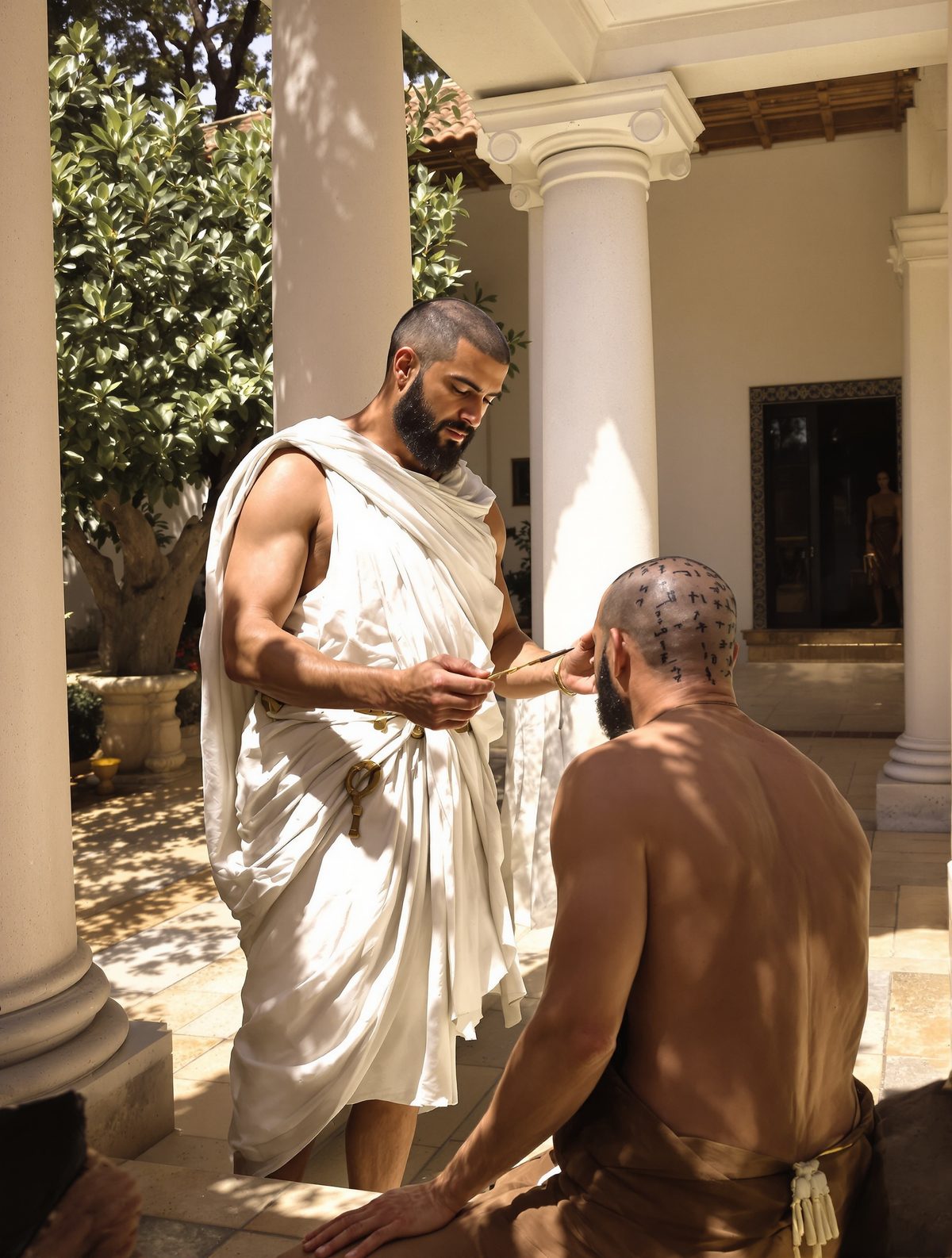
Xenophon hadn't set out to become a military legend. A student of Socrates with a comfortable aristocratic background, he was more interested in ideas than warfare. In 401 BC, when his friend Proxenus invited him to join an expedition to Persia, Xenophon thought he was signing up for what amounted to a gentleman's adventure tour with a famous commander named Cyrus the Younger.
What Proxenus failed to mention—or perhaps didn't know himself—was that Cyrus wasn't planning a simple military campaign. The Persian prince was marching on Babylon to overthrow his brother, King Artaxerxes II, and claim the throne of the entire Persian Empire. The 10,000 Greek hoplites weren't just mercenaries; they were the tip of the spear in a civil war that would reshape the ancient world.
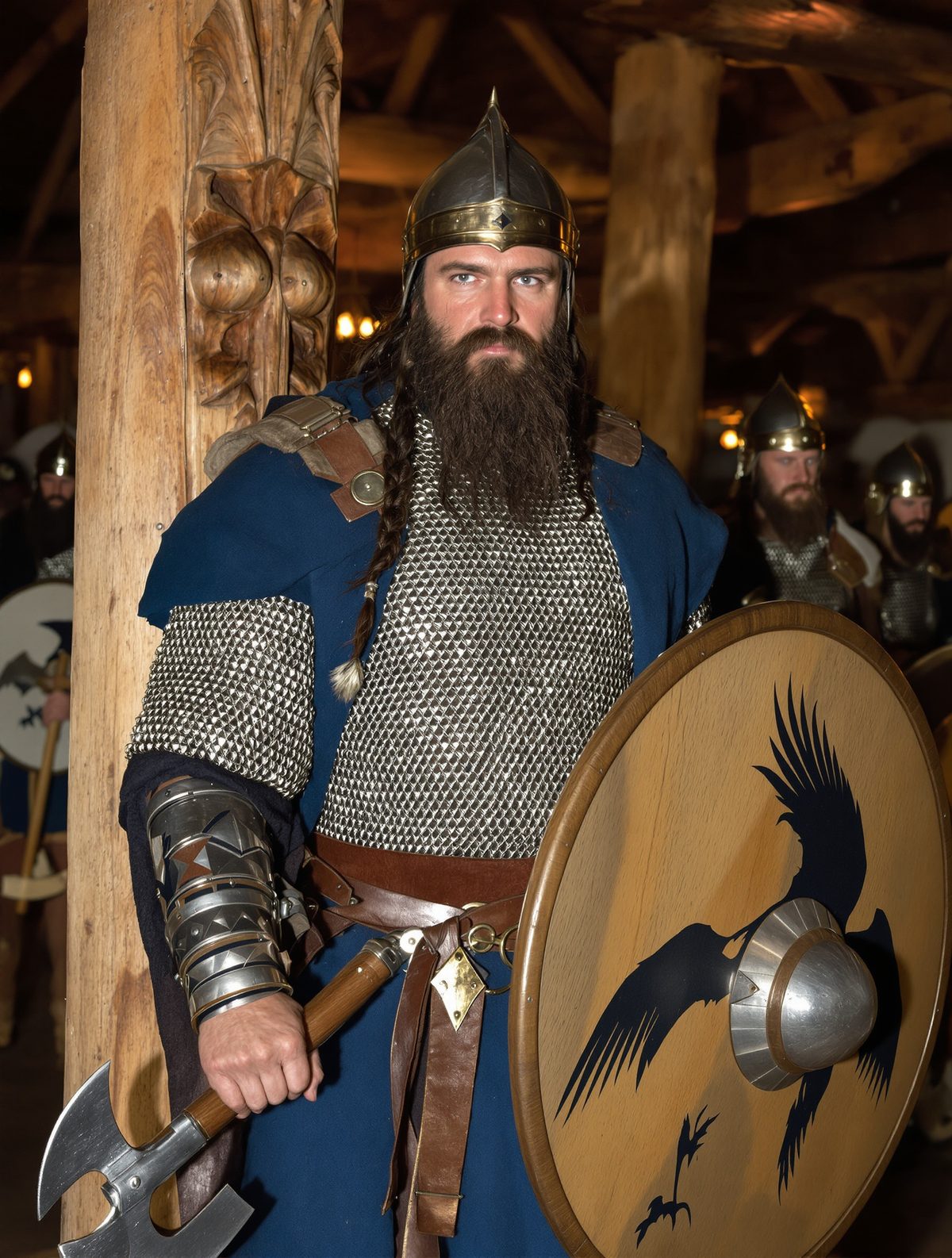
The Greeks were the best heavy infantry money could buy. Equipped with bronze armor, large shields, and long spears, these professional soldiers had perfected the phalanx formation that had dominated battlefields for centuries. Cyrus paid them exceptionally well—four times the standard rate—because he knew they would be the decisive factor in his bid for power.
Victory Becomes Disaster in a Single Moment
On September 3, 401 BC, at the Battle of Cunaxa near Babylon, everything went according to plan—until it didn't. The Greek phalanx smashed through the Persian left wing like a sledgehammer through glass. They routed every enemy unit they encountered, pursuing the fleeing Persians for miles.
But while the Greeks were busy winning their part of the battle, Cyrus made a fatal mistake. Spotting his brother Artaxerxes on the battlefield, the prince charged forward with a small group of cavalry, desperate to end the war with a single blow. He nearly succeeded—Persian sources admit that Artaxerxes was wounded in the attack. But Cyrus was killed in the melee, struck down just moments before achieving his goal.
When the victorious Greeks returned from their pursuit, they found a scene of utter confusion. Their Persian allies had melted away. Enemy forces surrounded them on all sides. And their patron—the man who was supposed to become the new king and shower them with rewards—lay dead in the dust.
The Greeks were now an army without a country, stranded over 1,000 miles from home in the heart of enemy territory.
Betrayal Under the White Flag
What happened next revealed the cruel realities of ancient diplomacy. Tissaphernes, one of King Artaxerxes's generals, approached the stranded Greeks under a flag of truce. He offered safe passage through Persian territory in exchange for their peaceful withdrawal. The Greek generals, led by Clearchus of Sparta, agreed to negotiations.
It was a trap worthy of a thriller novel. On the second day of talks, Tissaphernes invited the five Greek generals and twenty captains to a feast to celebrate their agreement. They arrived unarmed, as protocol demanded. Persian guards surrounded them, and within hours, all five generals had been executed. The twenty captains were sent to the Persian capital as prisoners—and were never seen again.
Back at the Greek camp, panic set in when the officers failed to return. Rumors spread that the entire army was doomed, that Persian cavalry would soon sweep down to finish them off. Some soldiers began making wills. Others talked of suicide rather than capture. The carefully maintained military discipline that had made them the finest soldiers in the world began to crack.
Then Xenophon had a dream.
The Philosophy Student Takes Command
According to his own account, Xenophon dreamed that his father's house was struck by lightning—a sign from Zeus that could mean either salvation or destruction. He woke with sudden clarity: someone had to act, or they would all die in this foreign land.
What happened next defied every convention of ancient military culture. Xenophon was nobody—not a Spartan warrior, not a seasoned mercenary captain, not even an official officer. He was just a rich Athenian who had tagged along for the adventure. In normal circumstances, common soldiers would have laughed him out of the camp.
But these weren't normal circumstances. When Xenophon stood before the assembled troops and delivered what may have been the most important speech in military history, desperate men listened. He reminded them that they were Greeks, free men who bowed to no king. He pointed out that they still had their weapons, their discipline, and their courage. Most importantly, he told them something they desperately needed to hear: they could get home.
The army elected him as one of their new generals. More surprisingly, these hardened mercenaries actually followed his orders. The philosophy student who had never commanded anything larger than a Socratic dialogue now found himself responsible for getting 10,000 warriors home alive.
The March of the Ten Thousand
What followed was an epic that would make Hollywood jealous. For the next year and four months, Xenophon led the Ten Thousand on a fighting retreat through some of the most hostile terrain in the ancient world. They battled Persian armies, hostile tribes, impossible weather, and the constant threat of starvation.
The route Xenophon chose was audacious in its ambition. Instead of attempting to retrace their steps through heavily defended Persian territory, he led the army north toward the Black Sea through the mountains of Armenia and Anatolia. It was longer and more dangerous, but it offered something the southern route didn't: a chance.
The details of their journey read like an ancient adventure novel. They fought running battles with Kurdish tribes in mountain passes where a single misstep meant death. They crossed rivers on improvised rafts while enemy arrows rained down from the banks. When their food ran out, they ate whatever they could find—including, according to Xenophon's matter-of-fact account, some very unpleasant honey that made the entire army violently ill for days.
The most famous moment came after months of grueling marches through hostile territory. As the advance guard crested a hill near the modern Turkish city of Trabzon, they began shouting "Thalassa! Thalassa!"—"The sea! The sea!" They had reached the Black Sea. They were going home.
Why This Ancient Epic Still Matters
Xenophon's march became the stuff of legend even in his own lifetime. Alexander the Great studied his account before launching his own invasion of Persia. Military leaders from Julius Caesar to Norman Schwarzkopf have cited the Anabasis—Xenophon's firsthand account of the expedition—as essential reading for understanding leadership under pressure.
But the real lesson of the Ten Thousand goes beyond military tactics. Here was a young man with no relevant experience who stepped up when leadership was desperately needed. He succeeded not because he was the strongest or most experienced, but because he could see a path forward when others saw only disaster.
In our own age of uncertainty, when traditional authorities often seem inadequate to the challenges we face, Xenophon's example offers a different model of leadership. Sometimes the person best equipped to lead isn't the one with the most impressive credentials, but the one willing to say, "Follow me," when everyone else is paralyzed by fear.
The philosophy student who led 10,000 men home proved that ordinary people can accomplish extraordinary things when circumstances demand it. The only question is whether we'll have the courage to step forward when our own moment comes.