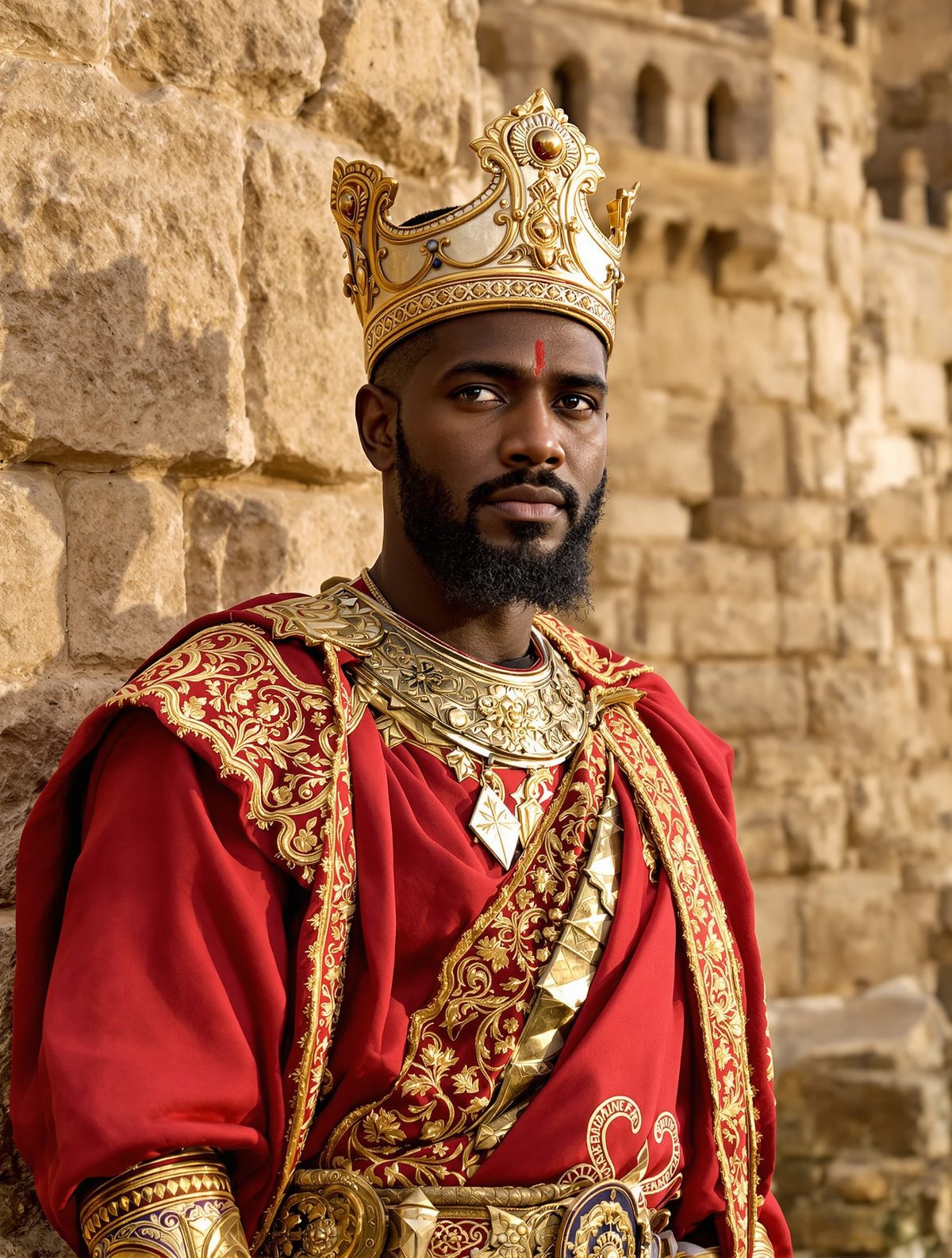
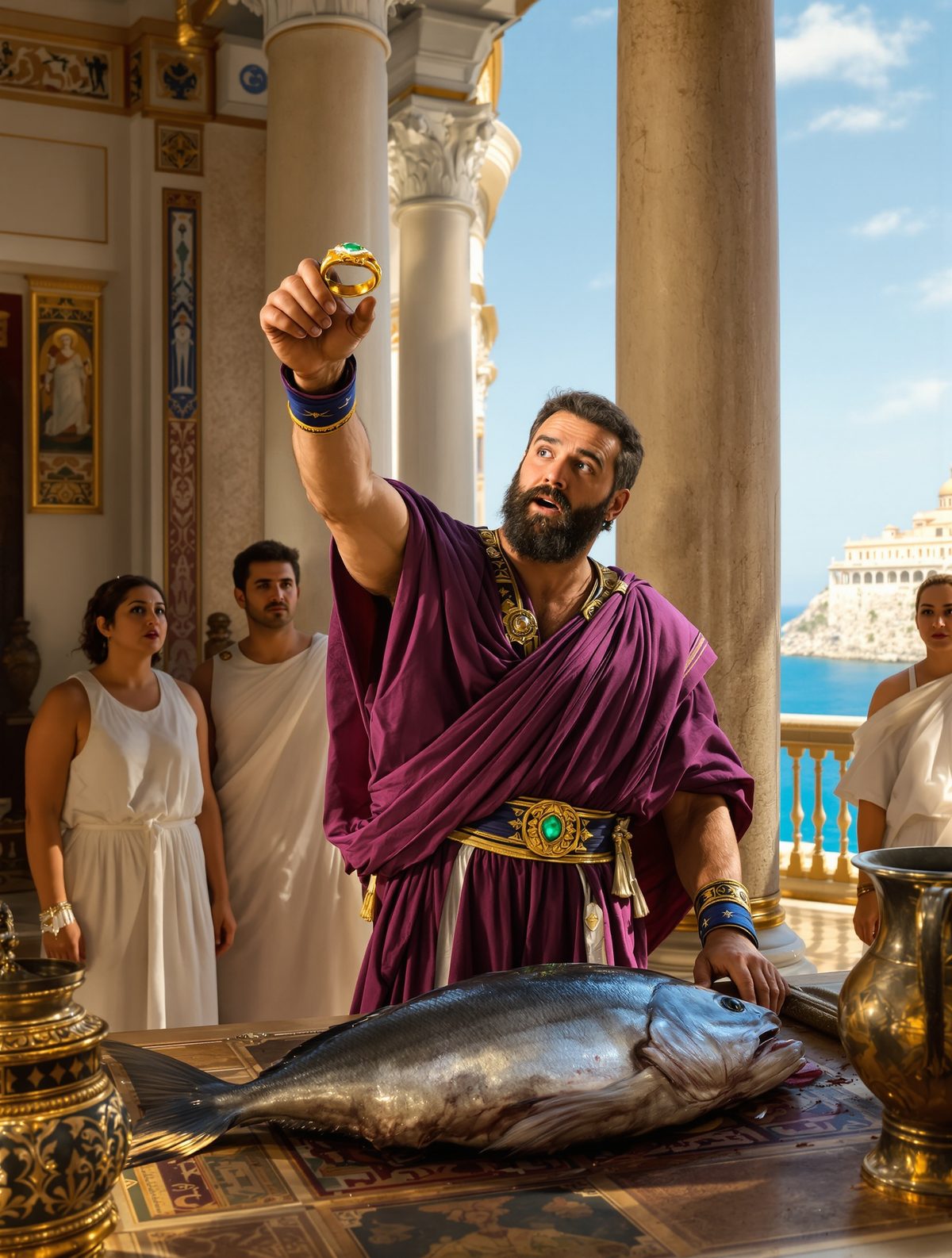
The Persian arrows had stopped falling. An eerie silence hung over the battlefield of Cunaxa as vultures circled overhead, their shadows dancing across 10,000 Greek faces painted with disbelief. Prince Cyrus—the man who had promised them gold and glory—lay dead in the dust, his rebellion against his brother King Artaxerxes II crushed in a single, catastrophic charge. It was September 401 BC, and these Greek mercenaries had just realized they were completely, utterly alone.
Fifteen hundred miles from home. No supplies. No maps. Surrounded by a hostile empire that stretched from the Mediterranean to India. Their Persian allies had vanished like smoke, and worse yet, the Persian satraps were now sending friendly invitations to dinner—the kind of dinner where Greek generals went in standing and came out in pieces.
Into this nightmare stepped an unlikely hero: a 30-year-old Athenian philosopher named Xenophon who had never commanded so much as a patrol, let alone an army. He had joined this expedition not for money or military glory, but for what he cheerfully called "adventure." He was about to get more than he bargained for.
The Student Who Became a General
Xenophon wasn't supposed to be there. As a wealthy young Athenian and devoted student of Socrates, he should have been back home debating ethics in the agora, not marching through Mesopotamia with a bunch of hardened mercenaries. But when his friend Proxenus invited him to join Prince Cyrus's mysterious expedition, Xenophon couldn't resist.
Even Socrates had been skeptical. The old philosopher worried that joining Cyrus—who was famously friendly with Sparta—might damage Xenophon's reputation in Athens, where Spartan sympathizers were about as popular as tax collectors. But Socrates, ever the seeker of divine wisdom, told his student to consult the Oracle at Delphi.
In typical Xenophon fashion, he gamed the system. Instead of asking whether he should go, he asked which gods he should sacrifice to in order to have a successful journey. The Oracle answered, Xenophon sacrificed, and off he went—much to Socrates's amused exasperation.
What Xenophon found was the largest and most professional mercenary force ever assembled: 10,400 Greek hoplites and 2,500 peltasts (light infantry), recruited under the pretense of fighting barbarian tribes but actually intended to overthrow the Persian king. These weren't desperate criminals or adventure-seekers like himself—they were veteran soldiers from across the Greek world, men who had survived the brutal Peloponnesian War and knew their business.
When Dinner Becomes a Death Trap
After the disaster at Cunaxa, the Greek army found itself in an impossible position. They had fought brilliantly—their wing of the battle had routed every Persian unit they faced. But Cyrus's headstrong charge into the center had gotten him killed, and with him died any hope of victory or payment. The Persian general Tissaphernes, smooth as silk and twice as dangerous, approached them with honeyed words and promises of safe passage home.
The Greek generals, led by Xenophon's friend Proxenus and the Spartan Clearchus, wanted to believe him. What choice did they have? On September 28th, 401 BC, they accepted Tissaphernes's invitation to a feast to discuss terms.
It was a massacre disguised as diplomacy. Clearchus, Proxenus, and three other generals were seized during the meal and immediately executed. The captains who had accompanied them were tortured and killed. In one blood-soaked evening, the entire command structure of the Greek army vanished.
When news reached the camp, panic set in. These were men who had fought from Sicily to Asia Minor, but they had never faced anything like this. Stranded in the heart of the Persian Empire, with winter approaching and enemies on all sides, many simply sat down and refused to eat. What was the point? They were all going to die anyway.
The Dream That Changed Everything
That night, as 10,000 Greek soldiers contemplated their doom, Xenophon had a dream that would echo through history. He saw his family home struck by lightning and consumed in flames—a vision that could mean either total destruction or divine illumination. When he woke, the young philosopher faced a choice that would define not just his life, but the lives of every man in that camp.
Xenophon's response was pure philosophy in action. If they were going to die, he reasoned, they might as well die trying to get home. If the Persians could rule an empire stretching thousands of miles, surely 10,000 Greeks could fight their way 1,500 miles to the sea.
He started with his own unit, gathering the surviving officers around a fire and delivering what may be history's first recorded motivational speech. "The gods," he told them, "have given us this chance to prove ourselves. We can sit here like sheep waiting for slaughter, or we can show these barbarians what free Greeks can do."
It worked. By dawn, word was spreading through the camp: the young Athenian had a plan. More importantly, he had hope.
The March of the Ten Thousand
What followed was one of the most extraordinary fighting retreats in military history. Elected as one of the new generals by popular vote, Xenophon helped transform a demoralized mob into a mobile republic, complete with democratic assemblies held each morning to decide the day's march.
The challenges were staggering. They had to fight their way through hostile tribes who rolled boulders down mountainsides and shot arrows from clifftops. They crossed rivers in flood, marched through blizzards in the Armenian highlands, and endured temperatures that froze wine solid in its cups. At one point, they had to build an entire bridge from scratch just to continue their retreat.
Xenophon proved himself a natural leader, but not in the way anyone expected. He didn't lead from the front like Achilles or command from a hilltop like Caesar. Instead, he made himself the army's conscience and its memory. When soldiers wanted to abandon the wounded, he shamed them into staying. When they faced seemingly impossible obstacles, he reminded them of Marathon and Thermopylae and all the other times Greeks had achieved the impossible.
The numbers tell the story of their ordeal: they fought over 20 major engagements, marched through territories belonging to 17 different tribes and peoples, and covered roughly 1,500 miles in some of the world's most difficult terrain. Remarkably, they maintained discipline throughout, never breaking into raiding bands or dissolving into chaos as every expert predicted.
Thalassa! The Sea at Last
After 215 days of marching, fighting, and dying, the advance guard crested a hill near the Greek city of Trapezus (modern Trabzon, Turkey) and saw something that made them weep like children: the Black Sea, dark and beautiful and infinitely welcoming. Their cry of "Thalassa! Thalassa!"—"The sea! The sea!"—became one of history's most famous battle cries.
But even reaching the sea didn't end their troubles. The Greek cities of the Black Sea coast proved less than hospitable to 10,000 armed refugees, and the army nearly broke apart in disputes over what to do next. Some wanted to found a new city, others to return home, still others to continue as mercenaries.
Xenophon, displaying the pragmatic wisdom that had gotten them this far, helped negotiate their passage home. By 399 BC, most of the Ten Thousand had returned to Greece, where they found their homeland still convulsed by war and political upheaval. Many immediately joined new armies—their experience in Persia had made them the most sought-after soldiers in the Greek world.
The Power of an Ordinary Hero
Xenophon's achievement wasn't just military—it was profoundly human. In an age when armies were led by kings and aristocrats, a middle-class intellectual had proven that leadership could come from anywhere. He had no divine ancestry, no crown, no inherited authority. What he had was intelligence, determination, and an unshakeable belief that ordinary people could do extraordinary things when they stood together.
Perhaps that's why his story resonates across the centuries. In our own time of global uncertainty and institutional failure, Xenophon's march offers a different kind of lesson. When the experts fail and the authorities disappear, sometimes salvation comes not from above, but from whoever has the courage to stand up and say, "Follow me—I think I know the way home."
The young philosopher who joined an expedition for adventure became something far more valuable: proof that in our darkest moments, heroes aren't born—they're made by the simple decision to keep moving forward.