Most people have never heard of Xenophon. They should have.
A Sudden Descent into Chaos
In 401 BCE, ten thousand Greek mercenaries found themselves in a perilous position, deep in the heart of the Persian Empire. They had journeyed some fifteen hundred miles from their homeland to support Cyrus the Younger in his bid to seize the Persian throne from his brother, Artaxerxes II. Victory seemed to be within reach when they inflicted heavy losses on a larger Persian army at the Battle of Cunaxa. Yet, a sudden twist of fate shattered their hopes: Cyrus was slain amid the fighting, leaving the Greeks stranded without a benefactor in hostile territory.
The situation rapidly deteriorated when treachery struck shortly thereafter. The Persian satrap Tissaphernes, feigning diplomacy, lured their leading generals into a trap under the guise of negotiations, only to capture and execute them. Panic and despair rippled through the Greek camp. With no leaders, no imminent support, and surrounded by enemies brimming with vengeance, this foreign soil could easily become their grave.
A Philosopher Rises
Amidst this chaos emerged a figure who would etch his name into the annals of extraordinary courage. Known more for his philosophical exploits in Athens than for martial leadership, Xenophon, a student of Socrates, rose to fill a void. Though young and not traditionally trained as a commander, he possessed an acute understanding of rhetoric and morale, critical in rallying disheartened troops.
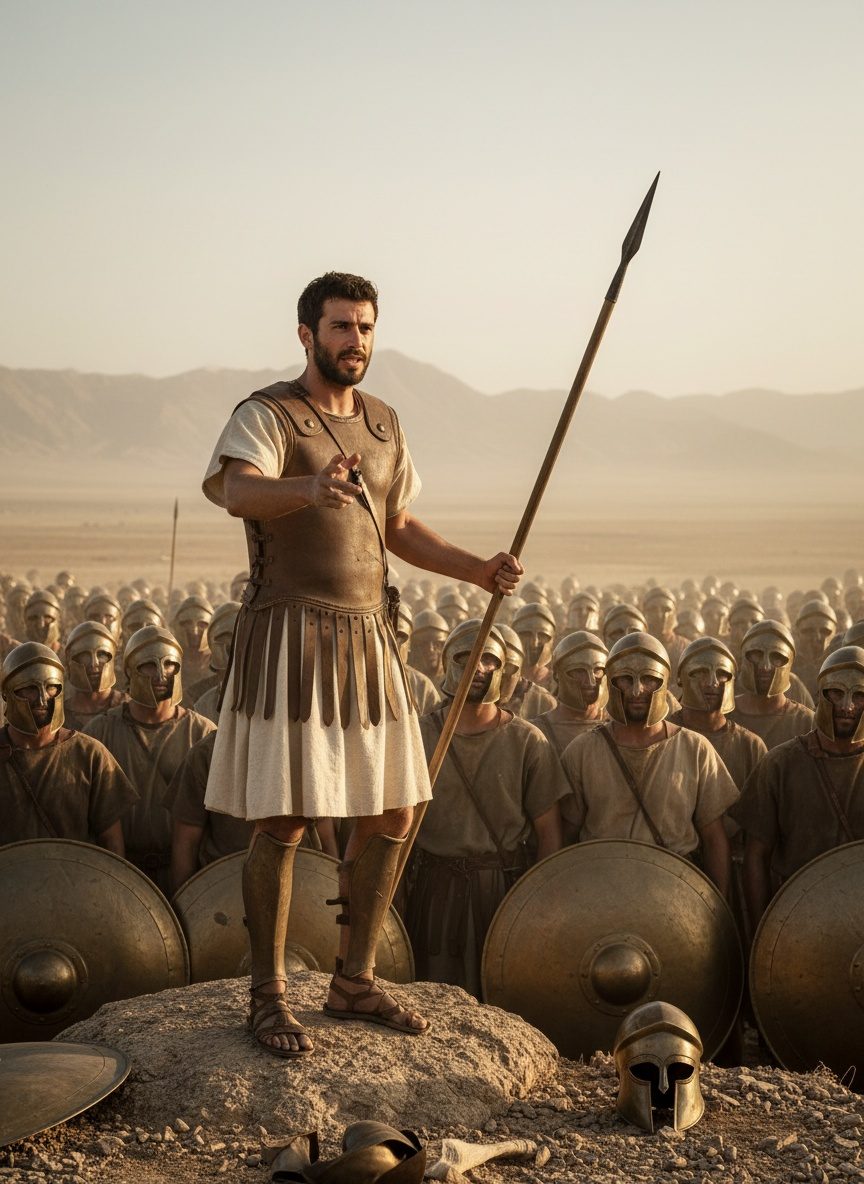
Xenophon's audacity did not manifest in the form of grand strategies or promises of easy victories. Instead, it was his unwavering conviction and ability to inspire hope that transformed fear into determination. He famously addressed the troops, urging them to embrace their plight with resolve rather than despair. His speech was pivotal; it unified the Greeks, reminding them of their shared culture, their superior military discipline, and the belief that their freedom lay back across distant lands.
The Arduous March
Thus began the arduous journey known as the "March of the Ten Thousand," an epic retreat fraught with peril and suffering, yet also with heroism and perseverance. Under Xenophon's impromptu leadership, the Greeks navigated a treacherous path. They marched through foreign and hostile territories, including the unforgiving expanses of Anatolia down to the icy fingers of the Armenian highlands. Every step was a testament to human endurance and the ancient Greek spirit of survival under insurmountable odds.
Navigating foreign lands and resisting relentless attacks from enemy combatants and local tribes, the march seemed to challenge both body and soul. They faced not only warriors but an even more relentless opponent: the great wilderness itself. Food was scarce, and the promise of rest was always entwined with danger. Each day pushed the limits of their survival skills and discipline.
Fortuitously, Xenophon's foresight and military shrewdness turned geographical challenges into tactical advantages. By orchestrating positions that negated enemy cavalry's effectiveness and exploiting the terrain for defensive maneuvers, he ensured the majority made it through lethal engagements. Against the odds, they persevered.
The Euphoria of the Sea
After enduring months of unimaginable trials, the pivotal moment arrived. The roaring waves and unmistakable fragrance of the sea reached their weary senses as they stood upon the heights of Mount Theches on the Black Sea coast. "Thalatta! Thalatta!"—"The Sea! The Sea!"—echoed across the crowd. It was a cry of triumph far sweeter than any clash of arms, a hymn of survival against despair.
This sight marked not just the beginning of the end of their harrowing odyssey but also the culmination of Xenophon's leadership. Against all odds, ten thousand weary warriors had escaped the clutches of an empire, spearheaded by a philosopher. Their arrival at the Black Sea reconnected them with Greek colonies, safety, and eventually their homeland.
The story of Xenophon and the Ten Thousand is not just about survival. It underlines the power of leadership, the strength found in unity, and the indomitable spirit embedded in human nature. It captures a spirit of resilience that transcends time and shows how history is often shaped not just by kings and generals but by the indomitable spirit of those determined to defy fate. The strength to face adversity head-on, to inspire the multitude, lies not in stature or command but in courage, wisdom, and the steadfast belief that home is worth every struggle.