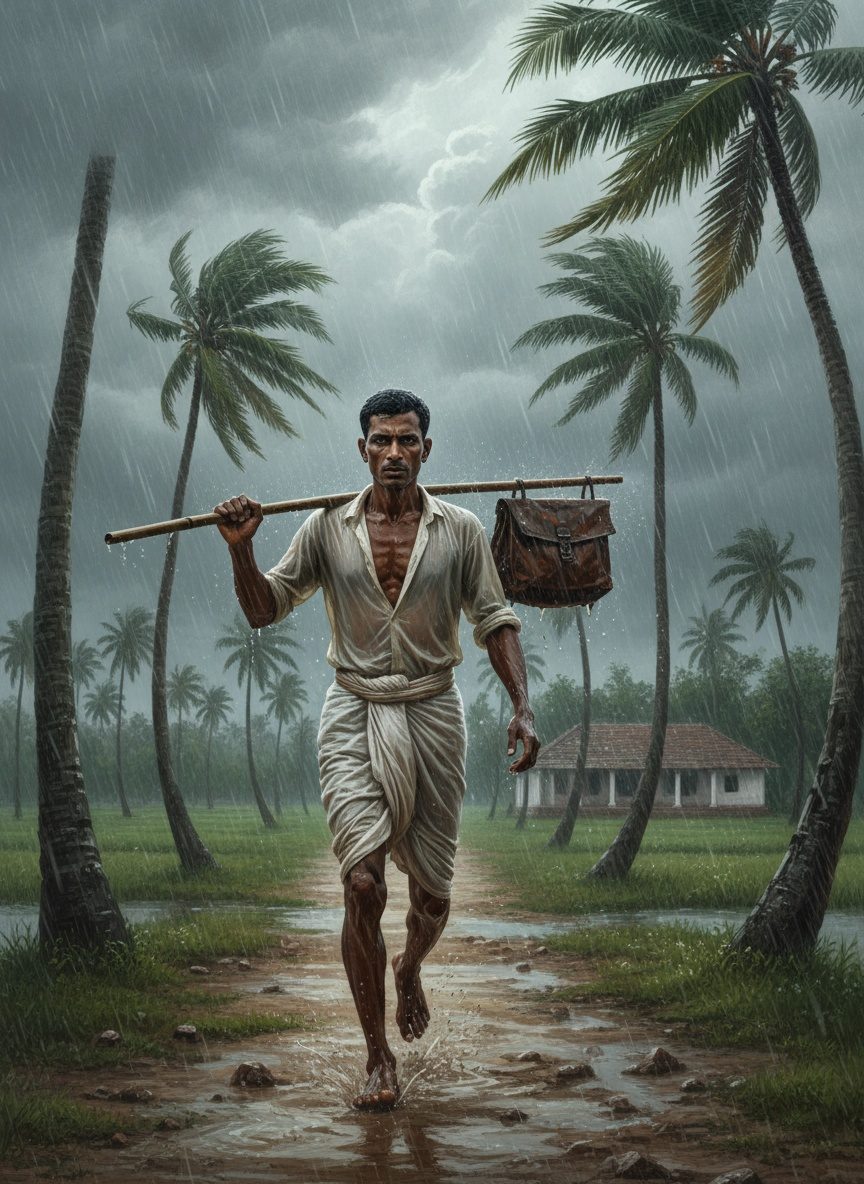
The rain was relentless, a curtain of water pounding against the soil, turning it to liquid mud that sucked at his feet with every step. Thunder rumbled like distant cannon fire above the jungles of southern India, as the dak wallah pressed on, clutching a small, tattered bag. The monsoon clouds had descended like demons across the land, swelling rivers until they dined at the banks on either side, threatening to swallow whole villages. Yet, the mail had to move. There was no one else; it was him or nothing. Barefoot, he ran twenty miles through the flood because the empire’s lifeblood depended on it.
Runners of the Empire
In British India, during the latter half of the 19th century, communication was akin to blood flowing through the empire’s arteries. The lifeline of correspondence was a crucial element holding together the vastness of its dominion. The telegraphs and railways were symbols of progress, yet there were places where modern development stalled at nature's doorstep. Here entered the intrepid dak wallahs, the runners tasked with ensuring messages moved across terrains where no horse or wheeled contrivance could venture.
Their existence was akin to ghosts drifting silently through dense foliage, over craggy stones, and across rivers foaming with monsoon fury. By day, they weaved through forests alive with the calls of exotic birds and the watchful eyes of hidden predators. By night, they moved through impenetrable darkness where the only guide was the distant flicker of lightning revealing their path, a glimpse of distant goals through nature’s fury.
These runners bore no armour except for their resolve, their feet hardened like leather from miles traveled, their bodies honed to endure. They were tasked with linking isolated regions—villages separated by geography and growing disconnects from the rest of the world. The letters they carried were the voices of families, the orders of businessmen, and sometimes orders so critical that they dared not falter. Amidst torrential downpours, they carried with them the stories left untold in the annals of history, their efforts unrecognized, yet vital.
Facing the Monsoon Fury
During the monsoon of 1877, the elements conspired to test the limits of these faithful runners. The incessant rainfall transformed the landscape into a labyrinth of obstacles, where familiar paths vanished under conducting sheets of water. Trees that had stood Solitary for decades suddenly became islands in a temporary sea of beastly proportions. Roads and bridges, often the only threads linking remote areas, simply ceased to exist under the water's onslaught.
While others sought shelter and watched from the safety of their verandas, the dak wallah ventured out. Each step was a dance of balance on shifting, muddy ground. They wove their way along riverbanks where the looming threat of submerged snakes and the roar of unseen yanks echoed the urgency of their task. It was more than a job—it was an understanding between them and the elements that for as long as they could run, the messages would reach their destinations.
The runners’ legacy was not of ostentatious couriers celebrated at parades, but rather of whispered stories and testimonials shared within tightly-knit communities they served. Often, a runner started at dawn, carrying the hopes and narratives of people eager for news, balancing it with the personal ambition and sheer will. Each distant flash of lightning or bark of thunder was a prickly reminder of the uncontrollable forces they defied.
The Weight of a Letter
With every letter delivered, the runners carried more than just paper inside their waterproof satchels. Tucked within each envelope was the weight of expectation and hope: a mother waiting on news from her son, a merchant hoping eagerly for trading opportunities, or an official eagerly awaiting strategic instructions. The imperatives were many and varied but always compelling.
As tales have emerged about these tireless figures, one story captivated those who managed to glimpse part of their world in action—that of a dak wallah who ran barefoot through the indescribable battering that was 1877’s monsoon. His feet moved deftly through floodwaters, instinctively navigating treacherous undercurrents that had claimed many before him. His determination was palpable as he surged forward, ignoring the letter’s progressively swollen state as water found its way into the folds of the bag. Against what seemed insurmountable, the letter arrived. Safe.
When the runner handed over his precious cargo, he did not await accolades or acknowledgments. His reward was the utterance of thanks embedded in a person's relieved expression or sometimes just the silent nod of understanding. The dak wallah’s legacy remained unwritten, with their efforts helping bind the empire together, even at the cost of anonymity.
Their stories are an inspiring testament to the endurance and unwavering human spirit. Even as empires rise and fall, these humble figures persist in the memories of the silent bridges they served across tumultuous landscapes—bridges built not of stone but of sheer will against nature itself. In a world where communication is instantaneous, remembering the invisible miles run by these quiet heroes offers a glimpse into the depth of human dedication, a timeless reminder that, come rain or shine, life and lines must continue to flow.