The wind howled across the Greenland fjords in the autumn of 980 AD as Thorkel the Red stood on the deck of his longship, watching ice crystals form on his beard. Before him lay the most prosperous Norse settlement in the New World, its warehouses bulging with walrus ivory worth a king's ransom. Behind him waited King Olaf Tryggvason's deadline—and the promise of either unimaginable wealth or a traitor's death.
What happened next would shock even the hardened Vikings of the 10th century. Thorkel would make a trade that secured his fortune but cost him something far more precious than silver: his own daughter.
The Ivory Rush That Gripped Medieval Europe
To understand Thorkel's desperate gamble, you must first understand the medieval world's obsession with walrus ivory. While most people today think of elephant tusks when they hear "ivory," the frozen Arctic waters held treasures far more valuable to European nobles. Walrus ivory was the luxury material of the medieval North—whiter than elephant ivory, harder to obtain, and imbued with an almost mystical quality that made it perfect for religious artifacts and royal regalia.
A single walrus tusk could weigh up to 12 pounds and stretch nearly three feet long. Greenland's waters teemed with these massive marine mammals, but harvesting their tusks required navigating treacherous ice floes and facing down creatures that could weigh up to 4,000 pounds. The Greenland Norse had mastered this deadly trade, creating a monopoly that made their remote settlements some of the wealthiest in the Viking world.
King Olaf Tryggvason understood the power of this Arctic gold. In 980 AD, he commissioned Thorkel the Red—one of Norway's most accomplished traders—to secure enough walrus ivory to craft religious artifacts for newly Christianized Norway. The king's conversion to Christianity had created an insatiable demand for elaborate crucifixes, altar pieces, and bishop's staffs that would demonstrate Norway's commitment to its new faith.
A Trader's Promise Becomes a Death Sentence
Thorkel the Red had built his reputation on impossible deals. Known throughout Scandinavia for his flaming red hair and silver tongue, he had negotiated trade agreements from Dublin to Constantinople. When King Olaf demanded 200 walrus tusks—enough ivory to fill half a longship—Thorkel confidently accepted the commission.
But confidence couldn't solve his fundamental problem: he was broke.
Recent trading expeditions to the Baltic had ended in disaster when Slavic raiders captured two of his merchant vessels. Another ship had been lost to storms in the North Sea, taking with it a fortune in amber and furs. By the time Thorkel reached Greenland's Eastern Settlement in September 980, his purse contained barely enough silver to feed his crew for a week.
The Greenland Norse, led by the shrewd chieftain Bjorn Eriksson, had no interest in credit or promises. They demanded immediate payment in silver, Byzantine gold, or trade goods of equivalent value. Thorkel's remaining cargo—iron tools, grain, and woolen cloth—was worth perhaps 20 walrus tusks at most. He needed ten times that amount.
As the first snows began to fall and the sailing season drew to a close, Thorkel faced a grim reality: return to Norway empty-handed and face the king's wrath, or find another form of currency.
The Daughter Who Became Currency
Astrid Thorkelsdottir was 16 years old in the autumn of 980, traveling with her father as was common for Viking merchant families. Historical sagas describe her as "fair as morning frost" with the quick wit inherited from her trader father. She had accompanied Thorkel on previous expeditions, learning the languages and customs that made for successful negotiations from Ireland to the Byzantine Empire.
But Astrid possessed something her father hadn't considered until desperation clouded his judgment: she was unmarried, beautiful, and of noble blood—exactly what Greenland's wealthy but isolated settlers valued most.
The Greenland settlements suffered from a chronic shortage of suitable wives. Most settlers were men who had left families behind in Iceland or Norway, and the few women who made the dangerous journey to the New World were already spoken for. Bjorn Eriksson himself, despite his wealth and status, remained unmarried because no family had been willing to send a daughter to the edge of the known world.
When Thorkel approached Bjorn with his proposal, the reaction was immediate and enthusiastic. Here was a daughter of Norwegian nobility, educated in multiple languages, and experienced in trade negotiations—precisely the kind of wife who could elevate Bjorn's status and produce worthy heirs for his growing fortune.
The negotiations took three days. Bjorn offered 150 walrus tusks for Astrid's hand in marriage, along with her father's approval and a formal dowry arrangement. Thorkel, trapped between his daughter's future and his own survival, agreed to the exchange that would make him the richest trader in Norway—and cost him his only child.
The Wedding That Shocked Two Continents
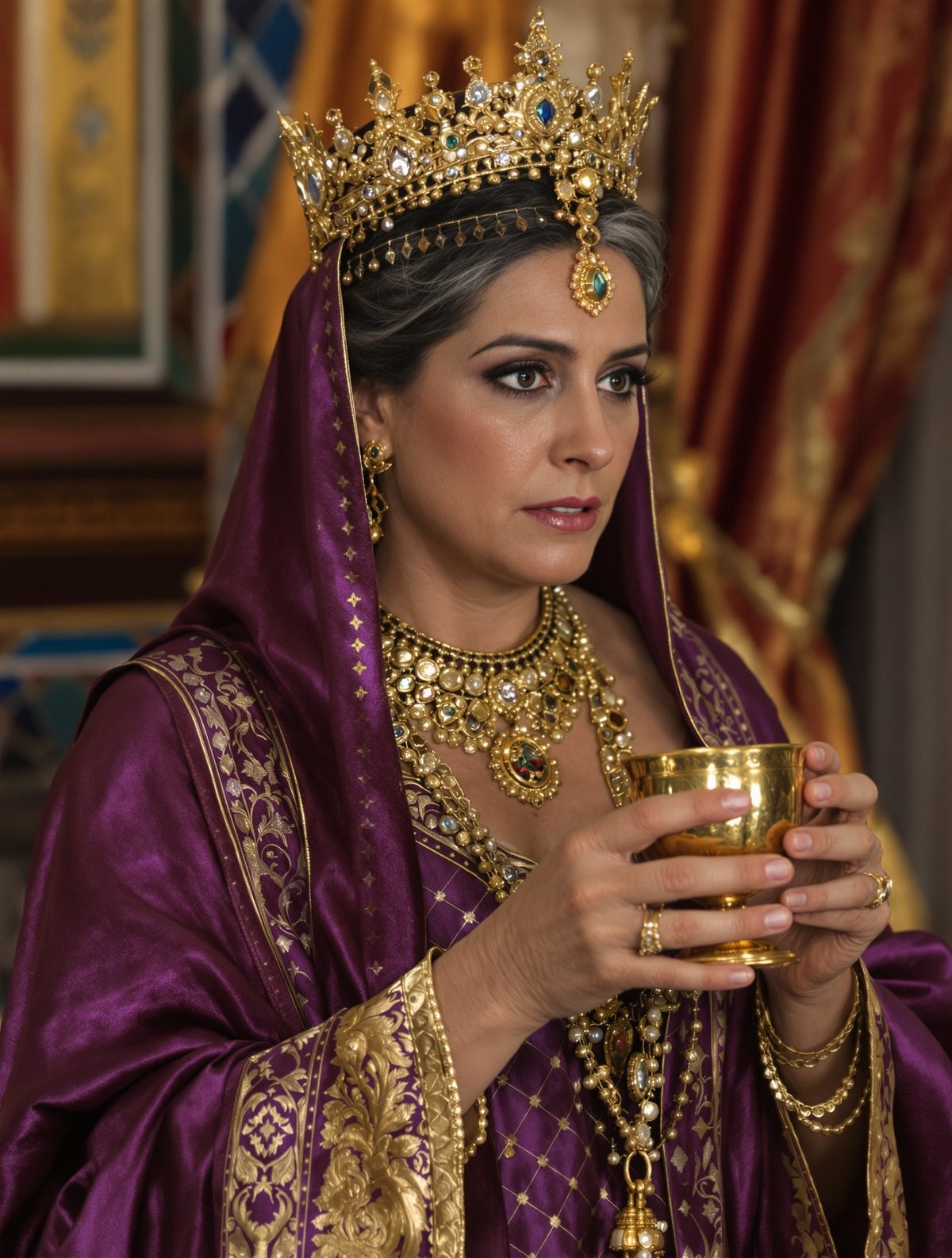
The marriage ceremony took place in October 980 in Greenland's Eastern Settlement, witnessed by over 300 Norse colonists who had gathered for the unprecedented event. According to the Saga of the Greenlanders, Astrid wore a gown of Byzantine silk—one of the few luxury items her father had retained for the journey—while Bjorn appeared in a cloak fastened with brooches carved from the very walrus ivory that had sealed their bargain.
But the most shocking detail wasn't the ceremony itself—it was Astrid's reaction. Rather than weeping or protesting her father's decision, she embraced her new role with remarkable pragmatism. She understood, perhaps better than Thorkel himself, that her marriage represented not just his salvation but her own opportunity to wield real power in the New World.
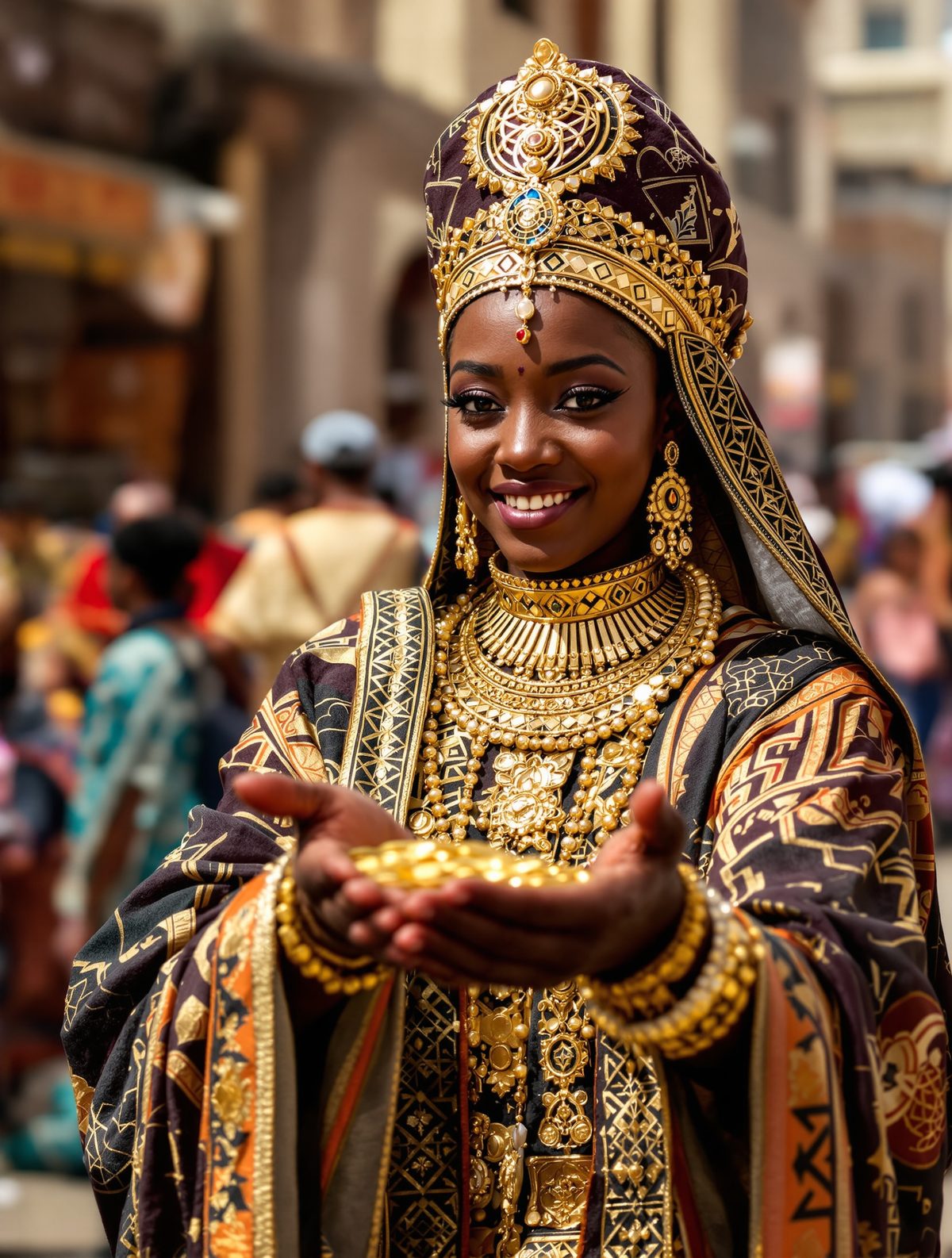
As Bjorn's wife, Astrid would become one of the most influential women in Greenland, managing trade relationships and diplomatic negotiations that would shape the colony's future. She negotiated fishing rights with Inuit communities, established trade routes with visiting merchants, and eventually bore three sons who would become prominent leaders in their own right.
Meanwhile, Thorkel loaded his ships with 150 massive walrus tusks—more ivory than most traders saw in a lifetime. When he returned to Norway in spring 981, King Olaf was so impressed with the quantity and quality of the tusks that he appointed Thorkel as his official Arctic trade commissioner, guaranteeing him first rights to all future walrus ivory negotiations.
The Price of Success in a Brutal World
Thorkel's gamble paid off spectacularly. Within five years, he had become one of Norway's wealthiest men, owning a fleet of twelve ships and trading posts from Bergen to Kiev. The walrus ivory trade made him rich enough to purchase an entire fjord, complete with farms, fishing rights, and a private army of 200 warriors.
But success came with unexpected consequences. Thorkel never saw his daughter again. The dangerous journey to Greenland, combined with the seasonal nature of Arctic navigation, meant that families separated by the Atlantic might never reunite. Letters took years to cross the ocean, and many ships never arrived at their destinations.
Astrid, meanwhile, thrived in ways that would have been impossible in traditional Norwegian society. As chieftain's wife in a frontier community, she wielded authority that female nobles in established kingdoms could never dream of. She commanded respect from hardened Vikings, negotiated treaties with indigenous peoples, and accumulated wealth that rivaled her father's success.
When Bjorn died in 995, Astrid inherited his entire estate—including the largest collection of walrus ivory in the known world. She ruled the Eastern Settlement for another decade, becoming one of the most powerful women in Viking history and earning the title "The Ivory Queen" in Icelandic sagas.
A Legacy Written in Ice and Gold
The story of Thorkel the Red and his daughter Astrid reveals uncomfortable truths about medieval life that sanitized history books often ignore. In a world where survival trumped sentiment, even family relationships became economic transactions. Parents routinely traded children's futures for political advantage or financial gain, and those children often had no choice but to make the best of circumstances beyond their control.
Yet Astrid's story also demonstrates the unexpected opportunities that could emerge from even the most exploitative situations. Her marriage to Bjorn, while arranged for purely mercenary reasons, ultimately gave her more freedom and influence than she could ever have achieved in traditional Norse society.
Today, when we debate the ethics of arranged marriages or economic inequality, Thorkel and Astrid's story serves as a stark reminder that human ambition and adaptability have always operated within systems that seem cruel by modern standards. Their tale forces us to confront difficult questions: How do we judge historical figures who made impossible choices? And what does it say about human nature that both father and daughter not only survived their brutal transaction but ultimately prospered from it?
In the end, perhaps the most surprising lesson from the frozen fjords of medieval Greenland is that sometimes the most devastating betrayals can become the foundation for unexpected triumphs. Thorkel may have sold his daughter for walrus tusks, but Astrid transformed that betrayal into a crown of ice and ivory that made her one of the most powerful women of her age.