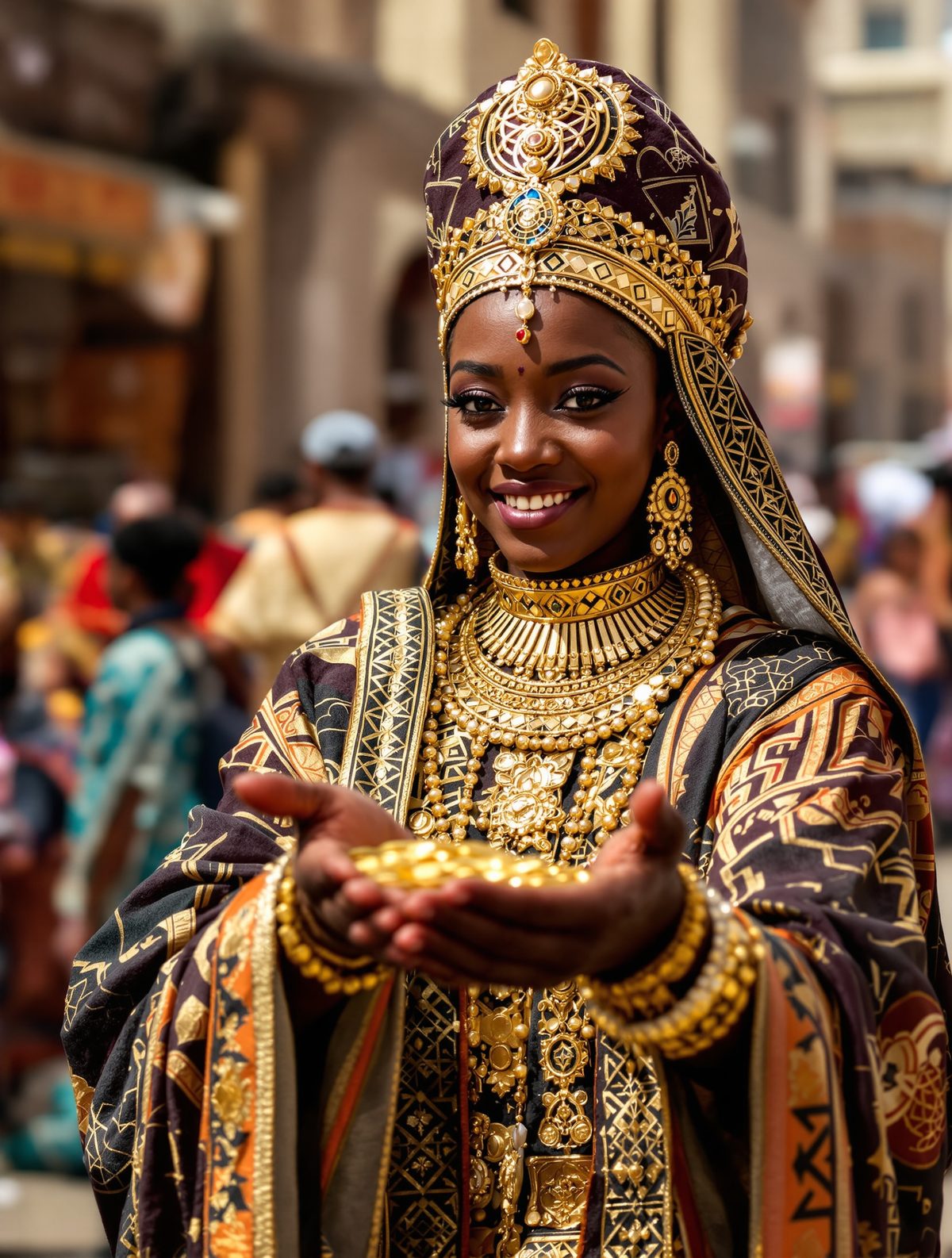
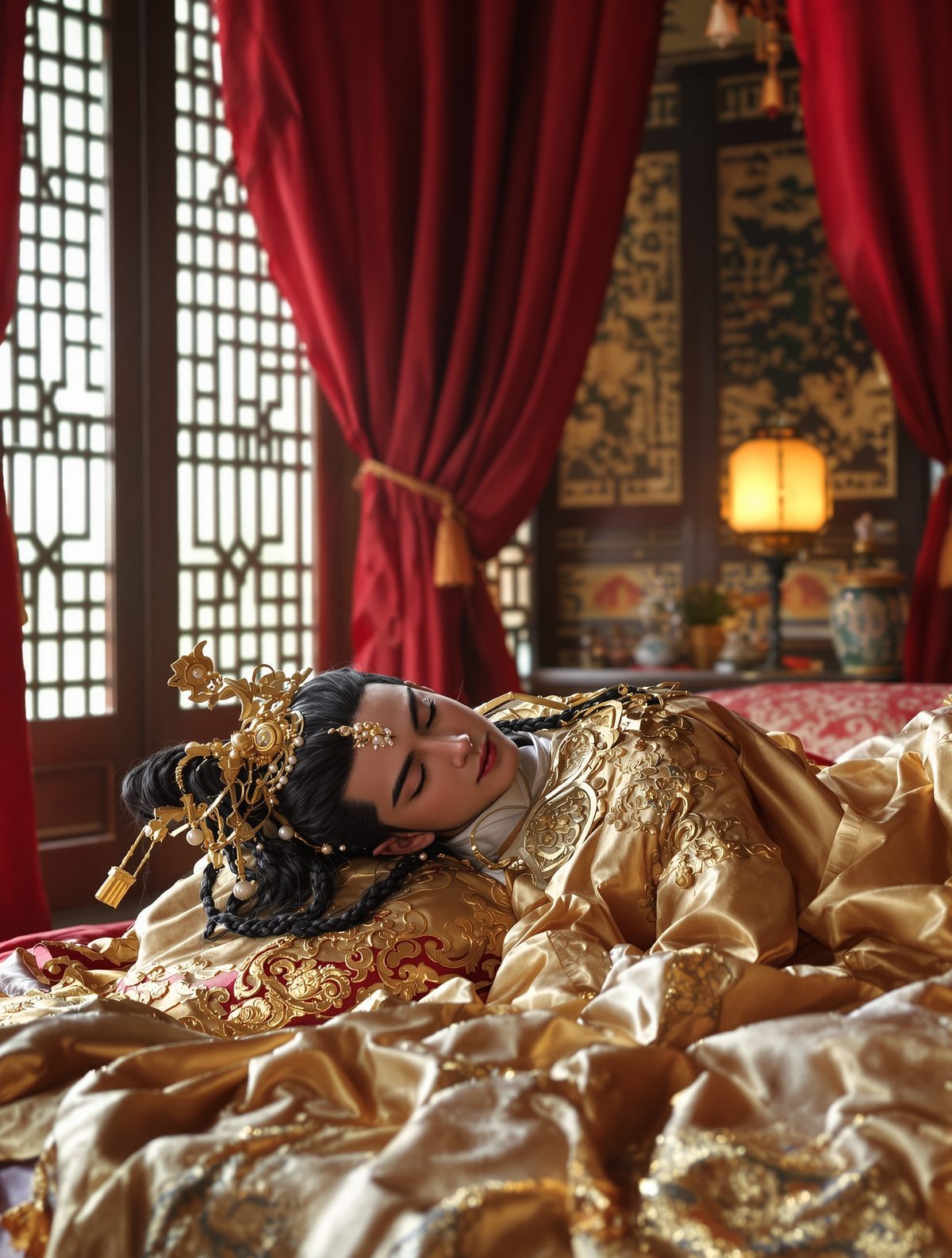
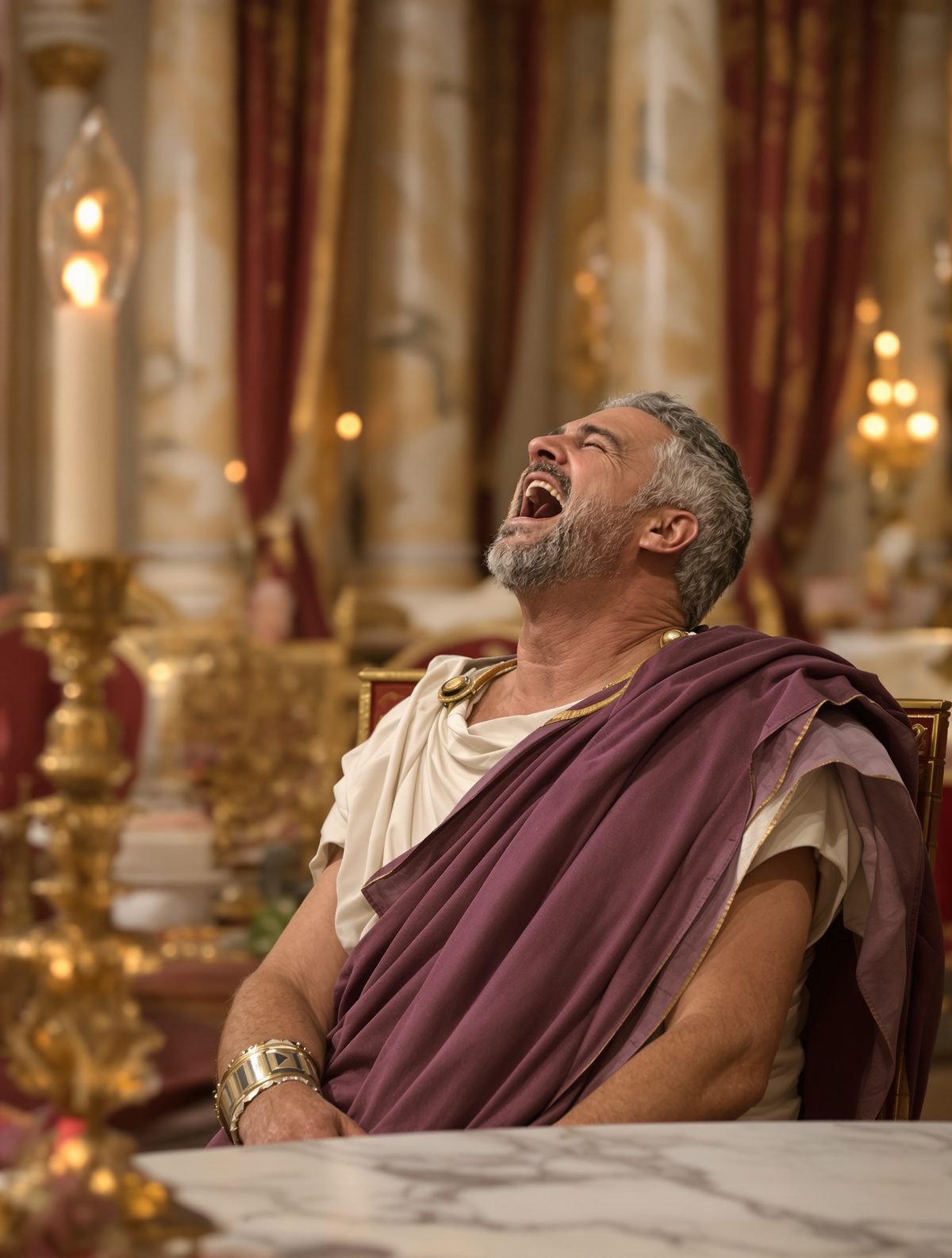
In the marble corridors of Persepolis, beneath towering columns carved with winged bulls and eternal flames, Queen Atossa held a small vial of hemlock in her trembling hands. The poison—colorless, odorless, and swift—would be mixed into her son's wine within the hour. As the most powerful woman in the known world, she had commanded armies, negotiated with foreign kings, and shaped the destiny of an empire that stretched from India to Greece. But nothing had prepared her for this moment: choosing which of her sons would live, and which would die.
The year was 522 BC, and the Persian Empire teetered on the brink of civil war. In the shadows of the palace, Prince Artaxerxes had been gathering supporters for a plot that would shake the foundations of the ancient world. His target? His own brother, King Darius III. His mother faced an impossible choice that would echo through history as one of the most heartbreaking decisions ever made by a royal parent.
The Weight of Two Crowns
Queen Atossa was no ordinary Persian woman. Daughter of Cyrus the Great, wife to three Persian kings, and mother to Darius III, she wielded influence that extended far beyond the traditional boundaries of feminine power in the ancient world. Her political acumen had helped stabilize the empire through multiple succession crises, earning her the unofficial title of "King-maker" among palace courtiers.
By 522 BC, the Persian Empire was a colossus spanning over 2 million square miles—roughly the size of the continental United States. From the sun-baked satrapies of Egypt to the mountain fortresses of Bactria, 20 million subjects paid tribute to the King of Kings in Persepolis. Yet this vast realm had a fatal weakness: the absence of clear succession laws meant that royal brothers often viewed each other not as family, but as obstacles to ultimate power.
Prince Artaxerxes had always lived in his brother's shadow. While Darius III commanded respect as a proven military leader who had expanded Persian territory into the Greek islands, Artaxerxes possessed a different kind of ambition—one that burned with resentment and grew more dangerous with each passing year. Palace servants would later recall how the younger prince's eyes would narrow whenever his brother's victories were celebrated in the great halls of Persepolis.
Whispers in the Palace of Truth
The conspiracy began to unravel during the spring festivals of 522 BC, when Persian nobles from across the empire gathered in Persepolis to pay homage to their king. Hidden among the ceremonial pageantry and diplomatic banquets, a network of discontented satraps and ambitious courtiers had been meeting in secret chambers beneath the palace.
Atossa's network of informants—cultivated over decades of political survival—brought her fragments of alarming intelligence. A satrap from Media had been seen entering Artaxerxes' private quarters at midnight. Gold had been distributed to certain members of the Royal Guard. Most damning of all, weapons had been smuggled into sections of the palace where they had no business being.
The queen's investigation revealed a plot of staggering scope. Artaxerxes had convinced nearly a dozen provincial governors that Darius III was leading the empire toward disaster through his aggressive military campaigns. The plan was brutally simple: assassinate the king during the upcoming Festival of Ahura Mazda, when security protocols required even the Royal Guard to remain outside the sacred temple. With their brother dead, Artaxerxes would claim the throne as the rightful heir, backed by his coalition of regional strongmen.
What the conspirators hadn't anticipated was their queen mother's vast intelligence network, built over thirty years of navigating palace intrigue. Atossa knew about the plot three days before it was scheduled to unfold.
A Mother's Impossible Choice
In her private chambers, surrounded by the golden tapestries depicting the glory of Persian conquests, Queen Atossa faced a decision that would have broken lesser spirits. Confronting Artaxerxes directly would likely force him to accelerate his timeline—possibly leading to immediate bloodshed in the palace. Warning Darius might prompt him to execute his brother publicly, creating a spectacle that could destabilize the entire empire.
The queen understood the mathematics of empire in ways that even her sons did not. Civil wars had already torn apart the Assyrian and Babylonian empires that Persia had conquered. The Greek city-states, perpetually eager to exploit Persian weakness, would undoubtedly support any pretender who promised to reduce Persian influence in their territories. A succession crisis now could unravel three generations of territorial expansion and diplomatic achievements.
Ancient Persian records, preserved in cuneiform tablets discovered at Persepolis in the 1930s, suggest that Atossa consulted with the Zoroastrian priests about her dilemma. Their response, according to these sources, was uncompromising: the needs of the empire and its millions of subjects outweighed the life of any individual—even a prince of royal blood.
The decision, when it came, was as calculated as it was heartbreaking. Artaxerxes had to die, but his death could not appear to be an execution. If the prince simply vanished or was found murdered, his co-conspirators might revolt anyway, claiming their leader had been assassinated to prevent him from revealing uncomfortable truths about the king's rule.
The Poison Cup
On the evening of the third day, Queen Atossa invited Prince Artaxerxes to join her for a private dinner—a common occurrence that would raise no suspicions among palace staff. The meal was prepared by her personal servants, individuals whose loyalty had been tested across decades of service. The hemlock, extracted from plants growing in the palace's own gardens, was mixed into a cup of wine that had been specially prepared for the prince.
Historians have long debated whether Atossa revealed her knowledge of the plot to Artaxerxes before his death. Some Persian sources suggest that she confronted him with evidence of his treachery, giving him a final opportunity to abandon his plans. Others argue that she remained silent, allowing her son to die believing his secret was safe. What we know for certain is that Artaxerxes consumed the poisoned wine and died within hours, his death appearing to result from a sudden illness.
The prince's co-conspirators, unaware that their plot had been discovered, found themselves leaderless and confused when their expected signal never came. Without Artaxerxes to coordinate the assassination, the conspiracy collapsed. Several ringleaders were quietly arrested over the following weeks, their fates sealed not by public trials but by discreet executions that left no martyrs for future rebellions to rally around.
The Price of Empire
Queen Atossa lived for another fifteen years after her son's death, but palace observers noted a profound change in her demeanor. The woman who had once been the vibrant center of court life became increasingly withdrawn, spending long hours in prayer and seldom appearing at state functions. When she died in 507 BC, she was found clutching a small golden locket containing a miniature portrait of Prince Artaxerxes—the son she had sacrificed to save an empire.
The Persian Empire continued to flourish under Darius III's rule, expanding its territories and refining its administrative systems until it became the largest empire the ancient world had ever seen. The king never learned the full truth about his brother's death, though some historians suggest he suspected his mother's involvement and chose never to investigate too deeply.
Modern archaeological evidence from Persepolis has revealed that Atossa established a private shrine dedicated to Artaxerxes within her personal quarters, where she apparently conducted daily rituals asking for his forgiveness. The shrine contained offerings of food, flowers, and precious stones—gestures that suggest a mother's enduring love for the son she felt compelled to destroy.
In the end, Queen Atossa's terrible choice accomplished exactly what she intended. The Persian Empire avoided civil war, maintained its territorial integrity, and continued its cultural and administrative innovations for another two centuries. But the cost—measured in a mother's anguish and a family's destruction—serves as a haunting reminder that the grand movements of history are built upon individual human tragedies that rarely make it into official chronicles.
Today, as we watch modern nations grapple with succession crises and family dynasties navigating the intersection of personal loyalty and political necessity, Atossa's story resonates with uncomfortable relevance. Power, it seems, has always demanded sacrifices that few are prepared to make—and even fewer are equipped to live with afterward. The queen who saved an empire by poisoning her son reminds us that history's most crucial decisions are often made not by heroes, but by people forced to choose between unbearable alternatives.