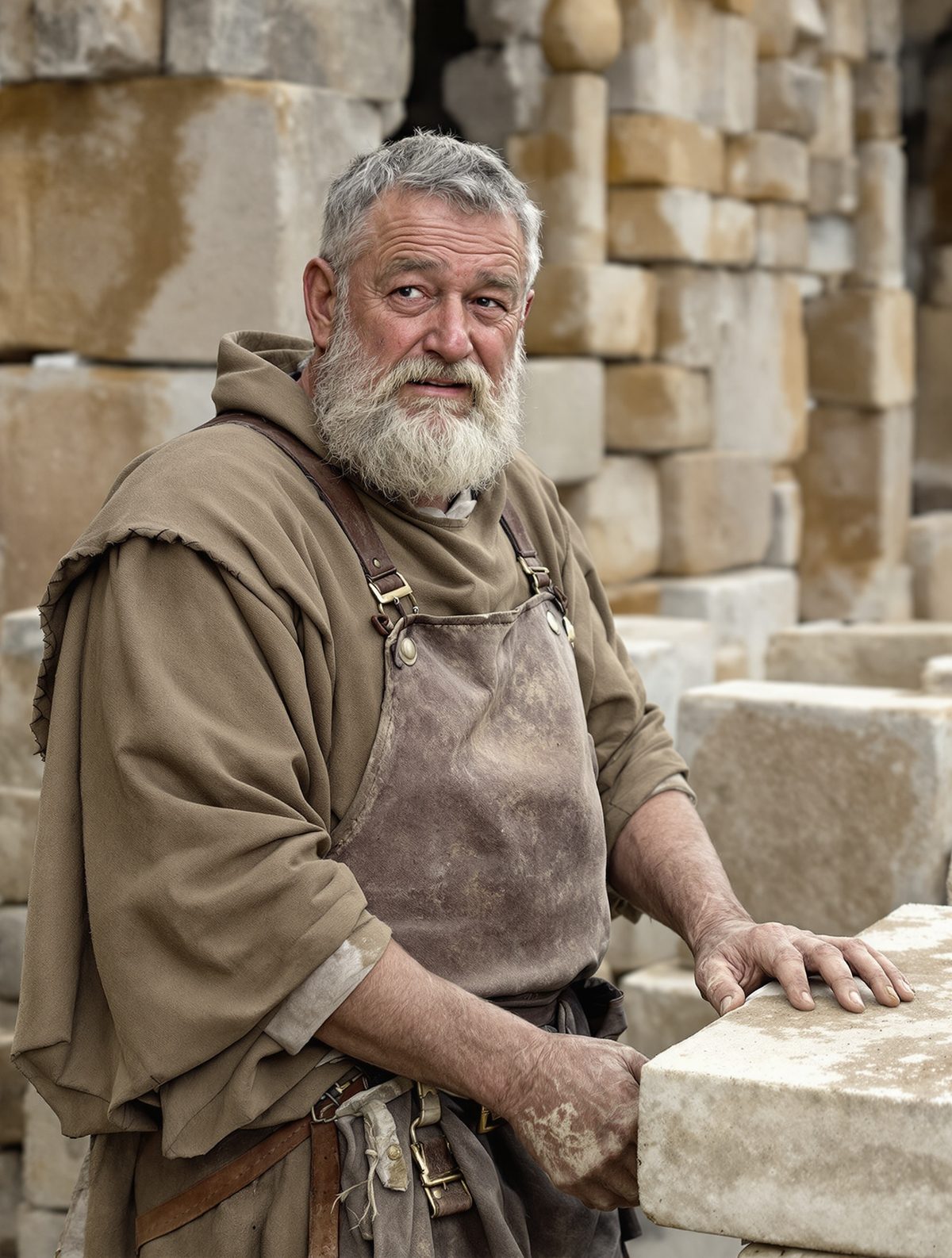
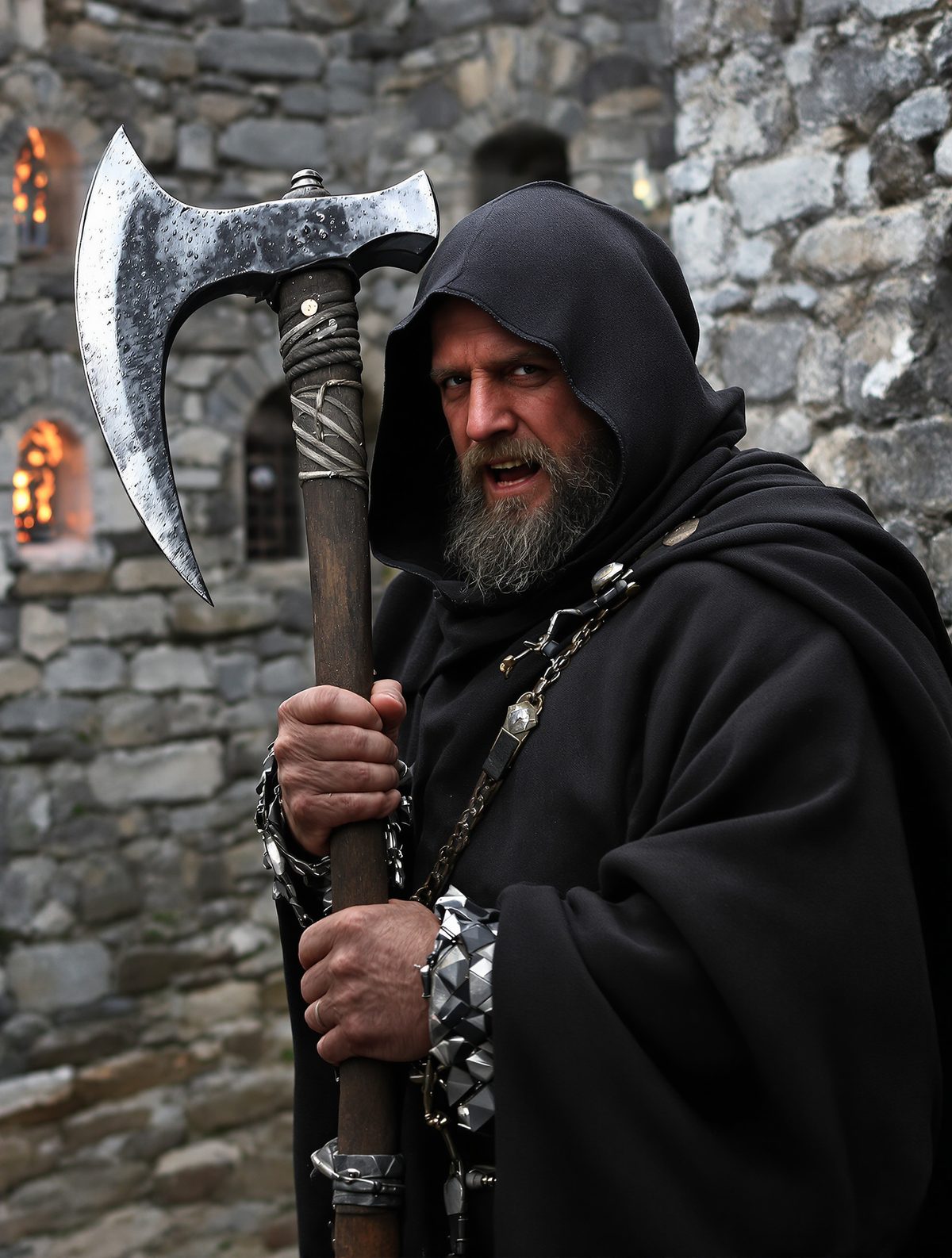
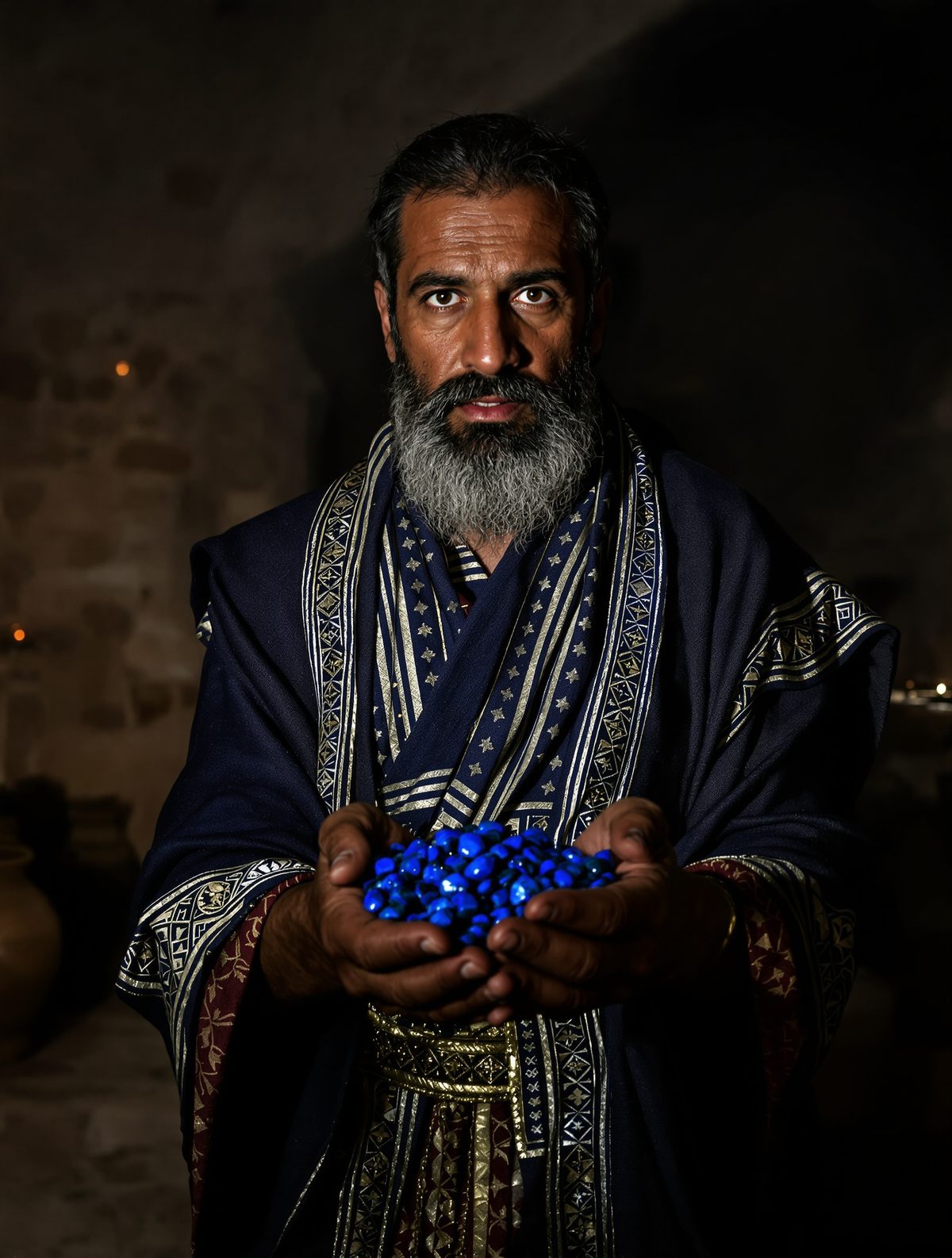
Bjorn Ironskull's eyes snapped open to the sound of laughter and the sweet scent of honey mead. But this wasn't the acrid smoke of burning thatch he expected, nor the metallic tang of blood that should have filled his nostrils after three days of berserker fury. Instead, he found himself lying on soft furs, wearing clean clothes that definitely weren't his, with a golden-haired woman beside him wearing a circlet of Celtic knots. The woman smiled and whispered something in Gaelic that sounded suspiciously like "husband."
Welcome to one of history's most bewildering morning-afters, where a Viking warrior's legendary battle trance led not to conquest and plunder, but to wedding bells and a very confused groom.
When Berserkers Ruled the Northern Seas
To understand Bjorn's predicament, we need to grasp what it meant to be a berserker in 982 AD. These weren't just fierce warriors—they were men believed to channel the spirit of bears and wolves, entering supernatural trances that made them seemingly invincible in battle. The Old Norse word "berserkr" literally means "bear-shirt," though some scholars argue it could mean "bare-shirt," referring to warriors who fought without armor in their frenzied state.
Bjorn Ironskull earned his nickname from his practice of headbutting enemies while wearing a reinforced iron helm, a technique that had served him well during raids from the Orkney Islands to the coast of Francia. Standing nearly seven feet tall with arms like tree trunks, he was exactly the kind of terrifying figure that made coastal villagers flee at the sight of dragon-prowed longships on the horizon.
But berserkers weren't mindless brutes. Archaeological evidence suggests they often came from wealthy families and held respected positions in Viking society. They served as elite shock troops for kings and jarls, and their battle-fury was considered a divine gift from Odin himself. What made Bjorn's case extraordinary wasn't just his fighting prowess—it was what happened when that divine gift took an unexpected turn.
The Raid That Started Everything
In the autumn of 982 AD, Bjorn's longship Wave-Rider approached the Irish coast near present-day Cork with a crew of thirty-two battle-hardened Norsemen. Their target was the settlement of Chieftain Cormac O'Sullivan, whose territory controlled lucrative cattle herds and, more importantly, a monastery rumored to house illuminated manuscripts bound in gold.
What the Vikings didn't expect was a trap. O'Sullivan had received word of their approach from coastal watchers and prepared an ambush that would have made Sun Tzu proud. As Bjorn's men charged up the beach, they found themselves surrounded by Irish warriors hidden in carefully constructed earthworks.
It was then that Bjorn felt the familiar heat rising in his chest—the beginning of his berserker trance. Witnesses later described how his eyes rolled back, foam flecked his beard, and he began the terrifying transformation that had made him legendary. But this time, something was different. Instead of the usual battle-fury that lasted mere hours, Bjorn entered what the sagas would later call "the deep rage"—a berserker state so profound it could last for days.
According to both Norse and Irish sources, what happened next defied belief. In his trance, Bjorn didn't just fight—he seemed to dance through combat, moving with an otherworldly grace that left enemies too stunned to raise their weapons. Irish chroniclers wrote that he appeared to be "speaking with invisible spirits" and "following commands from the air itself."
Three Days of Divine Madness
For three full days and nights, Bjorn remained in his supernatural state. But here's where the story takes a turn that Hollywood couldn't have scripted better: instead of mindless destruction, the berserker began exhibiting behaviors that seemed almost... diplomatic.
Irish sources describe how on the second day, Bjorn suddenly stopped mid-battle and began arranging stones in intricate patterns. When curious warriors approached, he would communicate through gestures that seemed to indicate complex negotiations. By the third day, he was participating in what appeared to be elaborate ceremonies, though no one could understand exactly what was happening.
The breakthrough came when Chieftain O'Sullivan's daughter, Brigid, approached the entranced Viking. A woman of considerable learning who spoke several languages including Old Norse, she seemed able to communicate with Bjorn in his altered state. What she discovered changed everything: in his berserker trance, Bjorn believed he was receiving direct instructions from the god Odin to forge a sacred alliance through marriage.
Here's the kicker that makes this story truly remarkable: Brigid didn't just go along with it—she embraced it. A shrewd political mind like her father, she recognized an opportunity to turn a devastating raid into a strategic alliance. Within hours, she had convinced both her father and the local Christian priests that this was divine intervention demanding a proper response.
The Wedding That Saved Two Peoples
What followed was perhaps history's most unusual diplomatic solution. While Bjorn remained in his trance, performing what observers described as "ritualistic preparations for sacred union," both sides organized a wedding feast that blended Norse and Celtic traditions in ways that had never been attempted before.
The ceremony itself was a masterpiece of cultural fusion. Irish monks blessed the union alongside a Norse gothi (priest) who had been traveling with Bjorn's crew. Traditional Celtic handfasting was combined with Norse sword-blessing rituals. The feast featured both Irish ale and Norse mead, with foods ranging from Celtic salmon to Viking-style roasted boar.
But perhaps most remarkably, the wedding contracts—written in both runic script and Latin—established terms that went far beyond personal union. They created a formal peace treaty between O'Sullivan's territory and Bjorn's clan, established trading rights that would benefit both peoples, and even included provisions for mutual defense against common enemies.
Archaeological evidence supports the extraordinary nature of this union. Excavations in the Cork area have uncovered what appears to be a mixed Norse-Irish settlement dating to the late 10th century, complete with hybrid architectural styles and artifacts that blend both cultures seamlessly.
The Morning After History Changed
When Bjorn finally emerged from his berserker trance on the fourth morning, he found himself not only married but legally bound to one of the most comprehensive peace treaties of the medieval period. His new wife, Brigid, patiently explained the situation in fluent Old Norse while servants brought him breakfast and his new father-in-law discussed their upcoming joint raid against a common enemy.
The union proved remarkably successful. Historical records suggest that Bjorn and Brigid remained married for over twenty years, producing five children and establishing one of the most prosperous Norse-Irish trading partnerships of the era. Their mixed settlement became a model for peaceful coexistence that influenced diplomatic relations throughout the Irish Sea region.
Bjorn's transformation from feared berserker to diplomatic bridge-builder didn't diminish his reputation as a warrior—if anything, it enhanced it. He became known as "Bjorn the Peace-Maker," though he retained his fearsome fighting skills and never again experienced such an extended berserker trance.
Lessons from the Deepest Trance
This bizarre episode reveals something profound about human nature and the unpredictable ways history unfolds. In an age when Viking raids terrorized coastal communities across Europe, one warrior's altered consciousness created an entirely different outcome—not through conquest, but through an inexplicable form of divine diplomacy.
Modern neuroscience offers fascinating insights into what might have happened to Bjorn. Some researchers suggest that prolonged berserker states could trigger what we now call "dissociative episodes" combined with heightened intuitive processing. In other words, Bjorn's trance-state mind might have recognized diplomatic solutions that his conscious warrior-self would never have considered.
Perhaps most remarkably, this story challenges our assumptions about medieval conflict resolution. At a time when might made right, two cultures found a way to transform violence into partnership through the most unlikely of circumstances. It's a reminder that even in humanity's most brutal periods, unexpected wisdom could emerge from the most chaotic situations—sometimes in the form of a berserker who woke up married to peace.