The acrid smell of burning flesh filled the royal tent as the young Roman patrician held his right hand steady in the blazing coals. His face, though contorted with unimaginable pain, remained defiant. King Lars Porsena of Clusium—one of the most powerful rulers in ancient Italy—watched in horrified fascination as this madman deliberately destroyed his own limb rather than reveal Roman military secrets. It was 508 BC, and what happened next in that tent would save the Roman Republic and create a legend that would inspire warriors for over two millennia.
But this wasn't supposed to happen. Twenty-year-old Gaius Mucius had infiltrated the Etruscan camp for one purpose: to assassinate the king who threatened to strangle the infant Roman Republic in its cradle. Instead, he had killed the wrong man, been captured, and now faced torture and death. His response? To show his captor exactly what kind of people the Etruscans were dealing with.
When Rome Stood on the Brink of Extinction
To understand the sheer audacity of Mucius's actions, we must first grasp just how desperate Rome's situation had become. The year 509 BC had marked the end of the Roman Kingdom and the birth of the Republic, but freedom came at a terrible price. The last Roman king, Tarquin the Proud, hadn't simply accepted his exile—he had sought powerful allies to help him reclaim his throne.
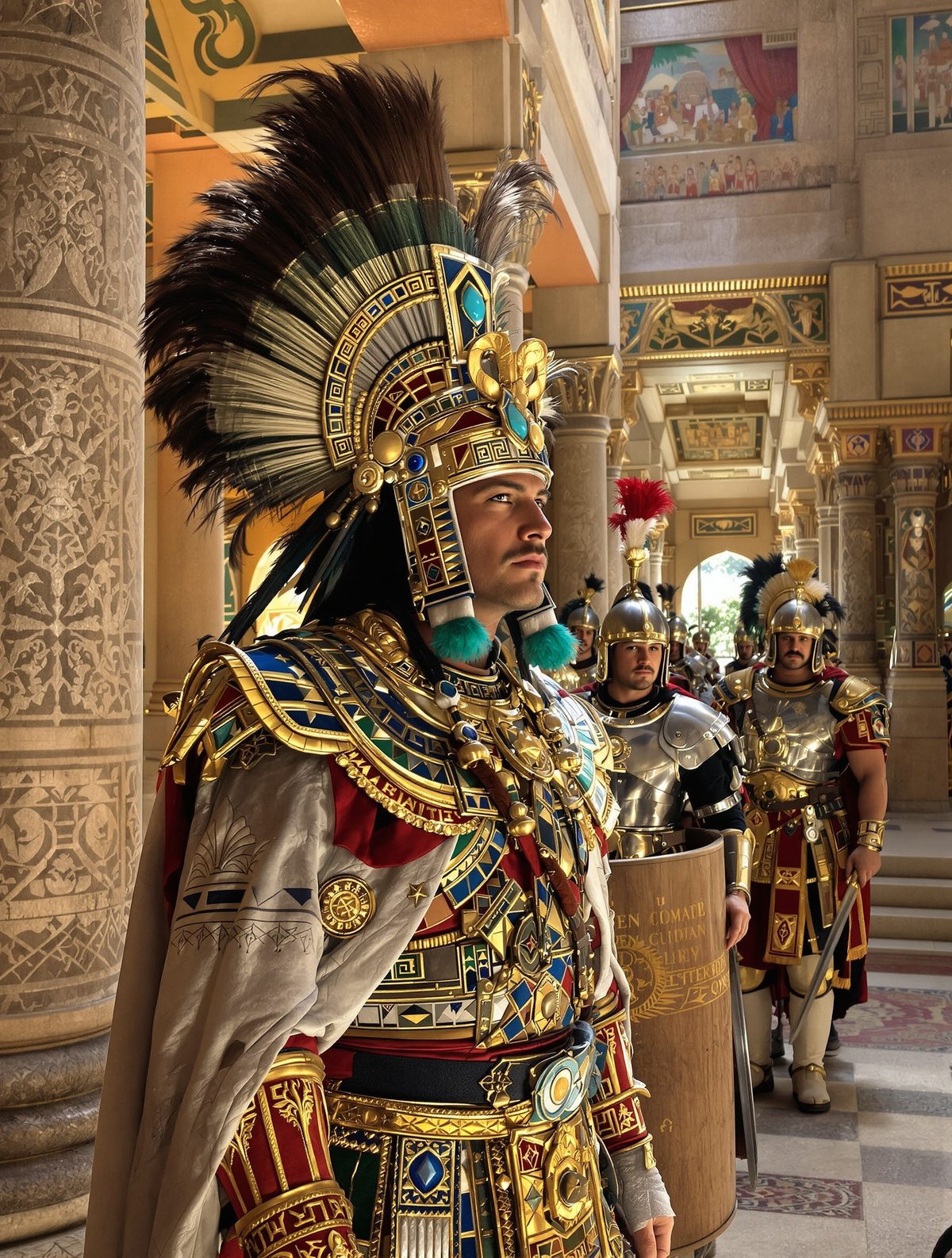
Enter Lars Porsena, the lucumo (king) of Clusium, one of the twelve great Etruscan city-states. The Etruscans were no barbarian tribe; they were a sophisticated civilization that had dominated central Italy for centuries, with advanced metallurgy, art, and military tactics that made them formidable opponents. Archaeological evidence from Clusium reveals a wealthy, complex society with impressive tombs and artifacts that rivaled anything in the Mediterranean world.
Porsena didn't march on Rome with a ragtag army. Historical accounts suggest he commanded a confederation of Etruscan forces numbering in the tens of thousands—a massive force by the standards of 6th-century BC Italy. When this army appeared on Rome's doorstep in 508 BC, the sight must have been terrifying. The Romans, with their newly-formed republican government still finding its footing, found themselves hopelessly outnumbered and outmatched.
The siege that followed was unlike anything Rome had experienced. Porsena's forces controlled the surrounding countryside, cutting off food supplies and trade routes. The wooden bridge across the Tiber—Rome's lifeline to the outside world—became a critical chokepoint. This was the siege that would later produce the legendary story of Horatius holding the bridge, but even such heroic actions couldn't change the fundamental reality: Rome was slowly starving.
A Desperate Gamble in the Senate House
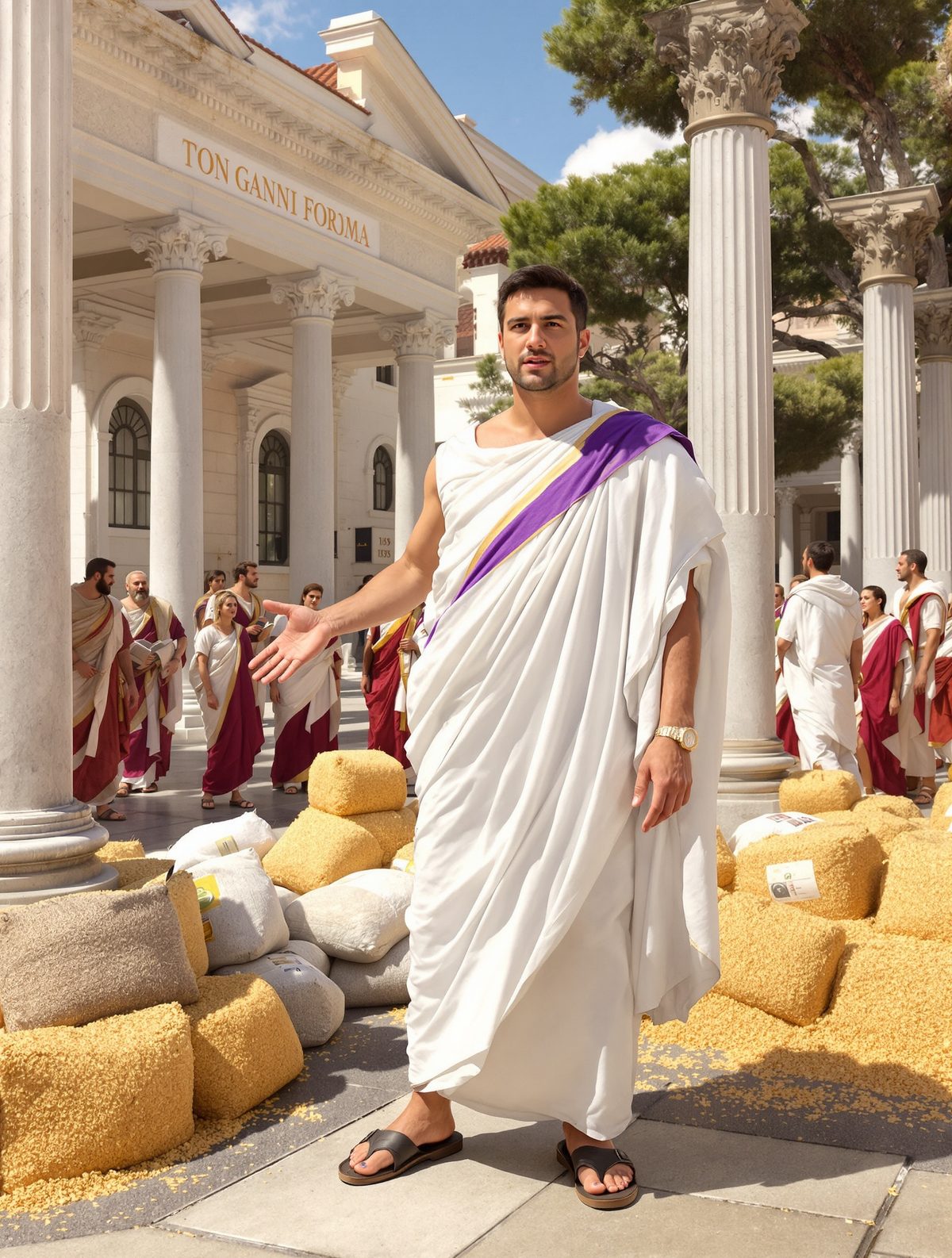
As weeks turned into months, the situation inside Rome became increasingly dire. The city's granaries were nearly empty, and reports filtered in of citizens collapsing from hunger in the streets. The Roman Senate, still learning how to govern without a king, faced an impossible choice: surrender to Porsena and likely see the Republic destroyed, or watch their people starve.
It was during one of these desperate Senate sessions that a young patrician named Gaius Mucius stood up with a proposal that must have stunned even the battle-hardened senators. The twenty-year-old, member of the prestigious gens Mucia, volunteered for what was essentially a suicide mission: he would infiltrate the Etruscan camp and assassinate Lars Porsena himself.
The audacity of the plan was breathtaking. Porsena would be heavily guarded, surrounded by thousands of loyal troops, in the heart of his own military camp. The chances of success were virtually zero, and the chances of survival even lower. But desperate times called for desperate measures, and sometimes the most impossible plans succeeded precisely because they were so unexpected.
What's particularly fascinating about this moment is what it reveals about early Roman culture. The fact that a young aristocrat would volunteer for certain death, and that the Senate would approve such a mission, speaks to a society already developing the martial values that would later conquer the Mediterranean. This wasn't just bravery—it was a calculated decision that Roman honor mattered more than Roman lives.
The Perfect Assassination Gone Wrong
Mucius spent days preparing for his mission, studying the layout of the Etruscan camp and planning his approach. Disguising himself as an Etruscan—likely adopting their distinctive dress and perhaps even their dialect—he managed to penetrate the outer defenses of Porsena's camp. This alone was a remarkable achievement, suggesting either exceptional skill on Mucius's part or divine favor, depending on one's perspective.
The plan was elegantly simple: wait for the right moment when the king was accessible, strike quickly with a concealed dagger, and hope to take down as many guards as possible before being killed. It was the kind of operation that required split-second timing and absolute certainty about the target's identity.
And that's exactly where everything went catastrophically wrong.
When Mucius finally spotted his opportunity, he saw a richly dressed man sitting in the royal tent, surrounded by the pomp and ceremony befitting a king. Without hesitation, the young Roman struck, driving his dagger deep into the man's chest. But as his victim collapsed and the guards rushed forward, a terrible realization dawned: he had just killed Porsena's secretary, not the king himself.
The secretary, responsible for distributing pay to the troops, had been dressed in royal finery and seated in a position of honor—an understandable mistake, but a fatal one. Within moments, Mucius found himself surrounded by Etruscan warriors, his mission failed and his life forfeit. The assassination attempt that was supposed to save Rome had instead provided Porsena with a valuable prisoner and propaganda victory.
The Hand That Shocked a King
What happened next in Porsena's tent has become one of the most famous scenes in ancient history, though few people today know the full context. Brought before the Etruscan king for interrogation, Mucius faced the standard treatment for captured assassins: torture until he revealed everything about Roman military plans, followed by public execution as a warning to other potential enemies.
Porsena likely expected the young Roman to break quickly. After all, torture was a time-tested method for extracting information, and most prisoners—no matter how brave—eventually succumbed to pain and revealed their secrets. The king may have been curious about Roman troop numbers, defensive positions, or planned counterattacks.
Instead, Mucius did something that no one in that tent could have anticipated. Near Porsena's chair stood a brazier filled with glowing coals—a common feature in military tents, used for warmth and light. Without warning, without even speaking, the young Roman thrust his right hand directly into the fire and held it there.
The scene that followed must have been surreal. Ancient sources describe the sickening sound of flesh burning and the smell of charred skin filling the tent, while Mucius stood motionless, his face showing determination rather than agony. He spoke calmly to the shocked king, explaining that Romans felt no fear of pain, and that if Porsena thought torture would break him, he was gravely mistaken.
But Mucius didn't stop there. In what may have been the most brilliant piece of psychological warfare in ancient history, he told Porsena a lie that would save Rome: there were 300 other young Romans, he claimed, who had all volunteered for similar assassination missions. Even if the Etruscans killed him, more would come, again and again, until someone succeeded.
The Lie That Saved an Empire
Porsena's reaction reveals just how profoundly Mucius's display had shaken him. Here was a king who commanded thousands of warriors, who had conquered cities and built an empire, suddenly faced with an enemy unlike any he had encountered. The deliberate self-mutilation wasn't just about showing courage—it was a calculated demonstration of Roman fanaticism that suggested an entire people willing to die rather than surrender.
The story of 300 volunteers was almost certainly fiction, but it was brilliant fiction. Porsena had no way to verify the claim, and after witnessing what one young Roman was willing to do to himself, the idea of 299 more like him must have been terrifying. Every shadow in his camp might hide another assassin. Every servant might be another Mucius.
Archaeological evidence from Etruscan sites suggests that their military culture, while sophisticated, placed great emphasis on ritual and ceremony. The idea of an enemy who would casually destroy his own body as a negotiating tactic may have been particularly disturbing to Etruscan sensibilities. This wasn't honorable combat—this was something else entirely.
Porsena's decision was swift and decisive. Rather than continue the siege and risk facing more Roman "volunteers," he chose to negotiate. Within days, he had not only lifted the siege but arranged for food supplies to be sent to the starving city. Rome was saved, and the Republic would survive to fight another day.
Mucius, meanwhile, earned a new name that would honor his sacrifice forever: Scaevola, meaning "left-handed," since his right hand was now permanently useless. The gens Mucia would carry this cognomen for generations, a permanent reminder of the day when one man's willingness to mutilate himself saved an empire.
The Making of Roman Legend
The story of Mucius Scaevola became one of the founding myths of Roman identity, taught to children for centuries as an example of proper Roman virtue. But like many ancient stories that seem too dramatic to be true, this one probably contains kernels of historical reality wrapped in layers of later embellishment.
What we can say with reasonable confidence is that something extraordinary happened during Porsena's siege that led to its sudden, unexpected end. The idea that a single dramatic gesture could change the course of history isn't as far-fetched as it might seem—ancient warfare often involved as much psychology as actual combat, and kings made decisions based on omens, dreams, and symbolic events.
The story also perfectly encapsulates the Roman ideal of virtus—not just courage in battle, but the willingness to sacrifice everything, including one's own body, for the greater good of Rome. This wasn't the gentle philosophical virtue of later eras, but something harder and more brutal: the idea that a true Roman should be willing to endure any suffering for the sake of Roman victory.
Today, when we debate the proper relationship between individual rights and collective security, when we ask how much sacrifice we should expect from citizens in times of crisis, the story of Mucius Scaevola remains surprisingly relevant. His willingness to destroy his own hand to protect his city raises uncomfortable questions about the price of freedom and the nature of patriotic duty that resonate across 2,500 years of human history.
The young patrician who walked into an enemy camp with a hidden dagger could never have imagined that his moment of desperate improvisation would be remembered long after the Etruscan empire had crumbled to dust. But perhaps that's the most Roman thing about his story: he wasn't thinking about immortal glory when he thrust his hand into those coals. He was thinking about Rome.