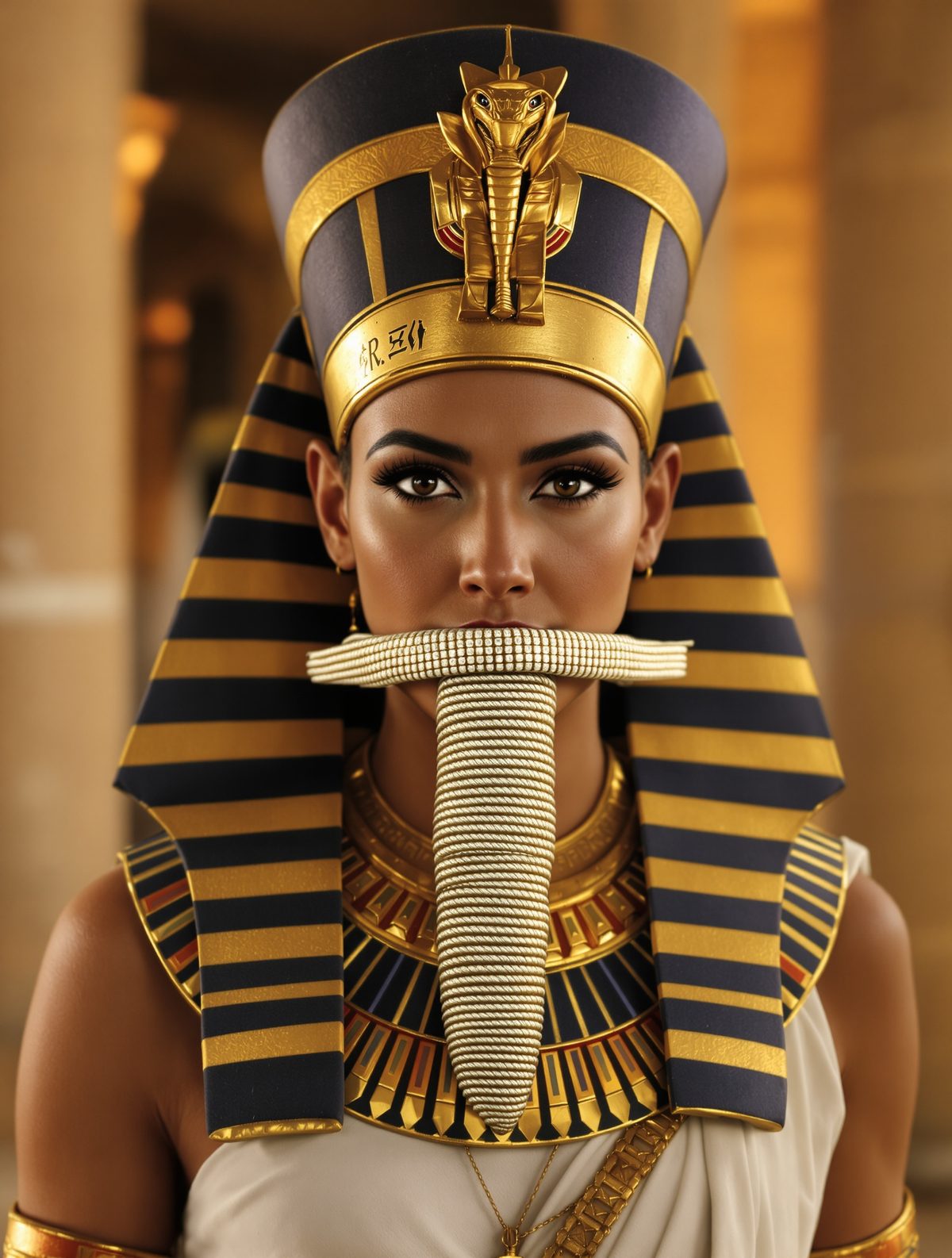
The bamboo tube crackled and hissed in Lady Li's trembling hands as shadows danced across the silk-draped walls of the Tang Dynasty palace. It was past midnight in 907 AD, and the concubine was convinced that malevolent spirits were stalking the corridors, their whispers echoing through the ornate chambers. What happened next would illuminate the night sky—and change human celebration forever.
As Lady Li held her breath and ignited the mysterious powder she'd been experimenting with for weeks, a brilliant flash erupted from the bamboo, followed by a thunderous crack that shook the very foundations of the imperial palace. Sparks cascaded like falling stars, painting the darkness in brilliant gold and crimson. The terrified concubine had just accidentally invented fireworks—one of humanity's most enduring and spectacular creations, born from pure fear of the supernatural.
A Palace Haunted by More Than Politics
The year 907 AD marked the twilight of the mighty Tang Dynasty, one of China's most glorious periods that had lasted nearly three centuries. But within the walls of the imperial palace in Chang'an (modern-day Xi'an), Lady Li—a mid-ranking concubine whose full name has been lost to history—was battling demons both real and imagined.
Palace life during the late Tang Dynasty was a precarious existence, especially for concubines. With over 3,000 women competing for the emperor's attention, the imperial harem was a hotbed of intrigue, poisoning, and mysterious deaths. Lady Li had witnessed several of her companions die under suspicious circumstances, their bodies found cold in their chambers with no apparent cause of death. Whether these deaths were the result of political machinations or supernatural forces, Lady Li was convinced that evil spirits had taken residence in the palace.
Chinese folklore of the era was rich with tales of gui (vengeful ghosts) and yao (demons) that could slip through the shadows and steal the life force from the living. Lady Li, like many of her contemporaries, believed these entities were particularly drawn to places of power—and what location held more concentrated power than the imperial palace itself?
The Alchemist's Desperate Gambit
Driven by terror and armed with access to the palace's extensive libraries, Lady Li began studying ancient Chinese texts on alchemy and demon-warding rituals. She discovered references to a mysterious black powder called huo yao—literally "fire medicine"—that Taoist alchemists had been experimenting with for over a century in their quest for immortality.
The formula was deceptively simple yet potentially deadly: saltpeter (potassium nitrate), charcoal, and sulfur mixed in precise proportions. Chinese alchemists had stumbled upon this combination around 850 AD while attempting to create an elixir of eternal life, but most viewed the violently explosive results as failures rather than breakthroughs.
Lady Li, however, saw opportunity in destruction. Ancient Chinese texts spoke of loud noises, bright lights, and strong odors as effective methods for driving away supernatural entities. If she could harness the power of huo yao, perhaps she could create the ultimate demon-repelling device.
Night after night, she worked in secret within her chambers, carefully measuring the ingredients by candlelight. She obtained saltpeter from the palace kitchens, where it was used for preserving meat. Charcoal came from the braziers that heated her rooms during the cool autumn evenings. The sulfur proved more challenging to acquire, but Lady Li managed to procure it from palace physicians who used it in various medicinal treatments.
The Night That Changed Everything
On what historical records suggest was October 13th, 907 AD, Lady Li's patience finally wore thin. Strange whispers had been echoing through her chambers for three consecutive nights, and she was convinced the spirits were growing bolder. Armed with her latest batch of the black powder packed tightly into a hollow bamboo tube—bamboo being considered spiritually pure in Chinese culture—she prepared for her supernatural showdown.
The bamboo itself was crucial to her innovation. Unlike the ceramic or metal containers that alchemists typically used, bamboo provided the perfect combination of containment and controlled failure. As the powder ignited, the bamboo would hold the explosive force just long enough to build pressure before rupturing in spectacular fashion, creating the brilliant display that would define fireworks for millennia to come.
When Lady Li lit the fuse—a strip of cloth soaked in saltpeter solution—the reaction exceeded her wildest expectations. The bamboo tube erupted in a shower of sparks that painted the night sky in brilliant colors, while the thunderous noise echoed across the palace complex like the roar of a celestial dragon. Palace guards came running from every direction, convinced they were under attack.
But Lady Li felt only triumph. The whispers had stopped. The shadows seemed less menacing. In her mind, she had successfully banished the demons that had terrorized her for months.
From Fear to Celebration
Word of Lady Li's spectacular light show spread quickly through the palace. Rather than punishing her for the disruption, Emperor Zhu Wen—the warlord who would soon found the Later Liang Dynasty and officially end the Tang era—was reportedly fascinated by the display. He commanded Lady Li to recreate her demon-banishing device for the upcoming Zhongqiu Jie (Mid-Autumn Festival).
What happened next reveals the pragmatic genius of Chinese culture. Within months, Lady Li's supernatural weapon had been transformed into an instrument of celebration. Palace artisans began experimenting with different bamboo sizes and powder mixtures, creating increasingly elaborate displays. They discovered that adding iron filings produced brilliant white sparks, while copper shavings created blue and green flames.
The Chinese character for fireworks, yan hua (煙花), literally means "smoke flowers"—a poetic description that captures both the visual beauty and ephemeral nature of Lady Li's accidental creation. By 950 AD, just four decades after that terrifying night in the palace, fireworks had become an integral part of Chinese New Year celebrations, their loud noises and bright lights serving the dual purpose of entertainment and spiritual protection.
The Science Behind the Supernatural
Modern analysis reveals that Lady Li's demon-repelling strategy was more scientifically sound than she could have imagined. The chemical reaction she unleashed—the rapid oxidation of charcoal and sulfur using saltpeter as an oxidizing agent—produces temperatures exceeding 3,000 degrees Celsius and generates shock waves that can be heard for miles.
The colorful sparks that so impressed the Tang court were caused by the combustion of trace minerals in the bamboo and impurities in her hand-mixed powder. Iron particles burn with a brilliant golden light, while naturally occurring copper compounds produce the green and blue hues that made her display seem truly magical to medieval observers.
Perhaps most remarkably, Lady Li had inadvertently created the world's first controlled explosive device. Her bamboo delivery system was a masterpiece of engineering—providing just enough containment to build explosive pressure while ensuring the device would rupture safely rather than becoming a deadly bomb.
A Legacy Written in Light
Today, as millions of people around the world watch fireworks displays during New Year's Eve, Fourth of July celebrations, and countless other festivities, few realize they're witnessing the direct descendants of a terrified concubine's desperate attempt to ward off supernatural forces. Lady Li's accidental invention has evolved into a multi-billion-dollar industry that lights up skies from Sydney Harbor to the National Mall in Washington, D.C.
But perhaps the most profound legacy of Lady Li's midnight experiment lies not in the spectacular displays that followed, but in what her story reveals about the nature of innovation itself. History's greatest breakthroughs often emerge not from calculated planning or systematic research, but from moments of desperation, fear, and pure human need.
In an age where we seek rational explanations for everything, Lady Li's story reminds us that progress sometimes comes from the most irrational places—from a frightened woman in a darkened palace, armed with nothing but bamboo, black powder, and an unshakeable belief that light and sound could drive away the darkness that haunted her world. In the end, she was absolutely right.