She had no military background and stood barely five feet tall. Yet, Gladys Vandenberg left an indelible mark on American military tradition. Her actions in 1948 challenged an unsettling norm and transformed a poignant moment of solitude into a shared embrace.
It was a sunny, crisp day in 1948 when General Hoyt Vandenberg and his wife Gladys visited Arlington National Cemetery. The immaculate rows of white tombstones stood like silent ranks against the backdrop of the bustling nation's capital. Yet, amid this expanse of solemn dignity, the couple noticed something deeply troubling: service members were being laid to rest without a single mourner in attendance. These individuals, who had dedicated their lives to serving the country, were facing their final farewell in stark solitude. Gladys couldn't shake the image from her mind. Her heart filled with a steadfast resolve — no soldier should ever be buried without someone to honor them.
What Gladys Vandenberg did next was not only innovative but also profoundly compassionate. She quietly gathered a small group of wives from the Air Force senior leadership and convinced them to join her mission. These women, later known as the Arlington Ladies, would ensure that no service member was ever buried alone at Arlington Cemetery. They volunteered to attend every single Air Force funeral, standing by the grave as a respectful figure of gratitude and solace.
At first, the idea was met with skepticism. Some questioned the necessity, while others were concerned about potential intrusions on family privacy. But as word spread, the inherent value of this simple yet profound act of presence became irrefutable. The Pentagon soon formalized this tradition, acknowledging its deep impact on both grieving families and the broader military community.
The demand grew as other military branches noticed the profound gesture carried out by the Arlington Ladies. The Army, Navy, and Coast Guard quickly followed suit, expanding the initiative to their own ceremonials. By the 1970s, the tradition was well-established, with each branch having its own dedicated group ensuring no service member would ever be alone again in their final moments.
Arlington Cemetery, with its rolling green lawns and orderly rows, became more than just a resting place; it was a testament to the profound respect and enduring commitment shared among the military family. Each gravesite became a stage where stories from distant lands and forgotten battles came to life once more, honored by the presence of someone who cared.
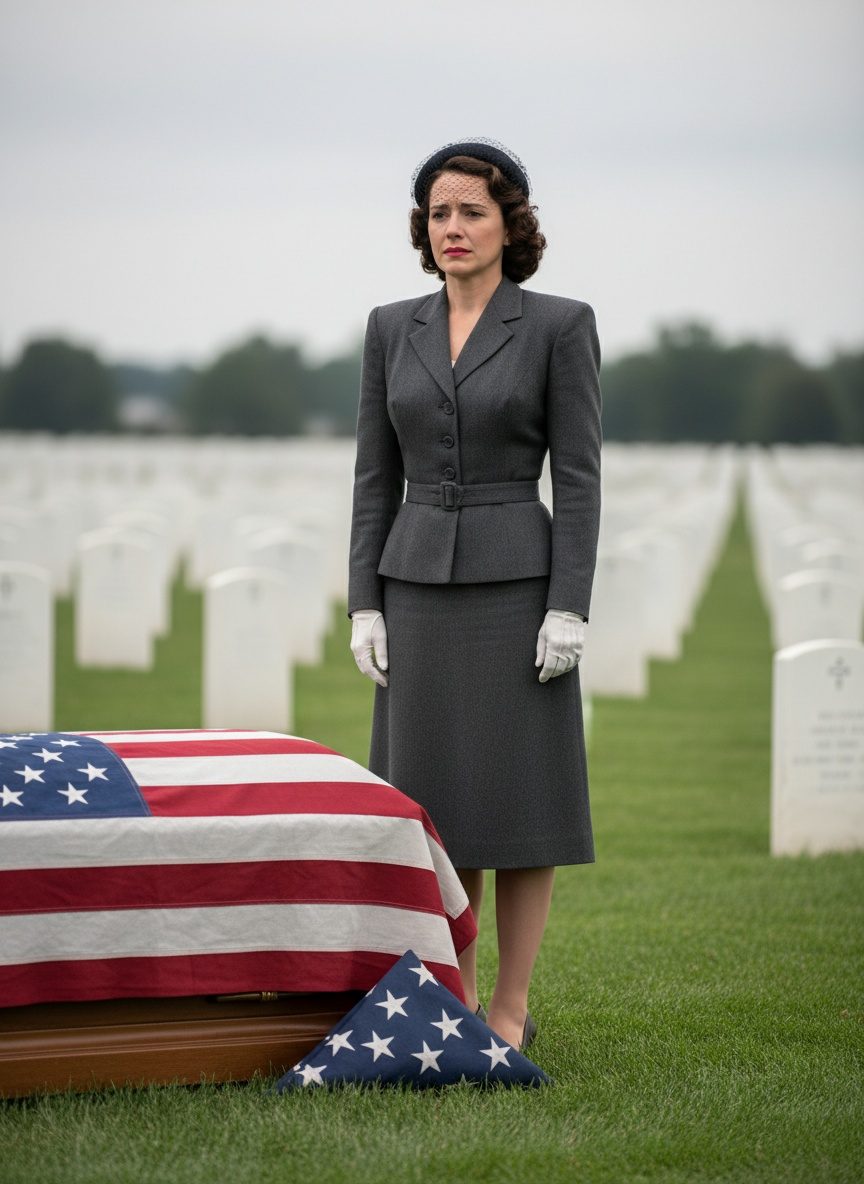
To be an Arlington Lady is to be part of something much larger than oneself. The role isn’t official, yet it carries a tremendous weight of responsibility. Each volunteer carefully learns the protocols and traditions of military funerals, ensuring every service member is honored appropriately. They stand placidly through the rifle salutes, the haunting notes of "Taps," and the solemn presentation of the folded flag. Their presence is not intrusive; rather, it provides a gentle assurance that sacrifices made were not in vain, and their stories, though ended, continued to be cherished.
Over the decades, the Arlington Ladies evolved into a respected institution. The volunteers hail from all walks of life — military spouses, retired service members, and patriotic civilians alike, united by a singular purpose. Their stories intertwine with those they honor, forming an intricate tapestry of vigilant companionship. There are tales of speaking with grieving families, hearing firsthand the extraordinary lives of the departed, transforming mere duty into a personal tribute.
This tradition is not without its solemn challenges. Inclement weather, an ever-expanding cemetery, and the inexorable passage of time ensure that there's always need for more volunteers. Yet the Arlington Ladies endure, their determination as unwavering as the granite tombstones they stand among.
Gladys Vandenberg’s quiet revolution accomplished more than she could have imagined. Her vision ensured that every service member buried at Arlington since 1948 did not leave this world unnoticed. Through the compassionate commitment she inspired, many who might have felt abandoned were granted a dignified farewell, accompanied by someone who bore witness to their bravery and service. This is why the tradition thrives to this day — because it speaks to the very core of what it means to honor those who have given their all.
Yet, the Arlington Ladies represent more than a tribute to the past; they embody a hopeful promise for the future. This enduring tradition underscores the notion that remembrance requires action, and honor necessitates presence. As each Arlington Lady stands tall in silent vigil, they bridge the gap between the stories we know and the stories yet untold. They remind us that history is not merely a record of events, but a tapestry woven from the countless threads of human experience, and it is our shared responsibility to ensure that no story is ever forgotten. In every gesture, they echo the sentiments of Gladys Vandenberg’s vision — one that quietly yet profoundly transformed a place and its people, ensuring that no one ever stands alone.