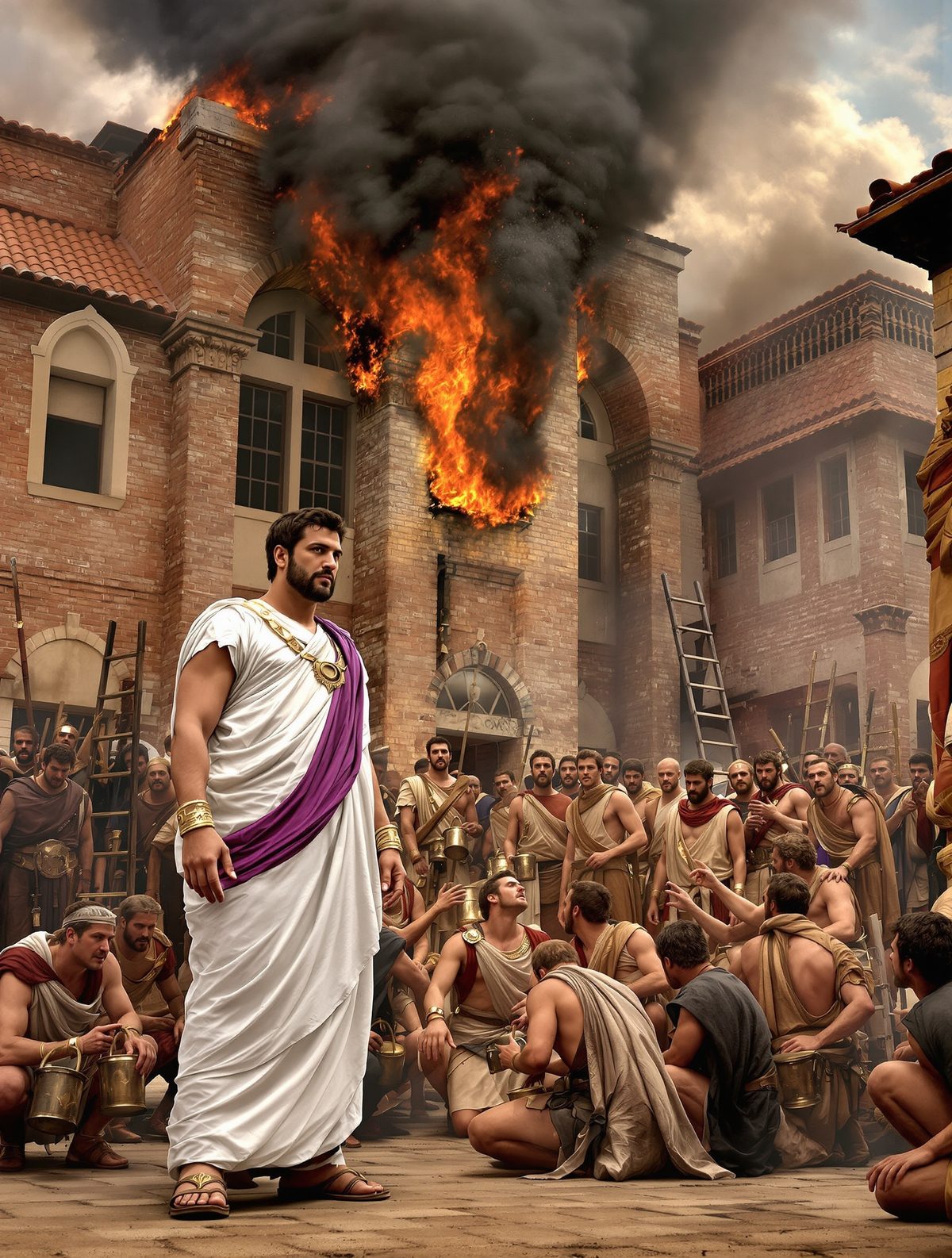
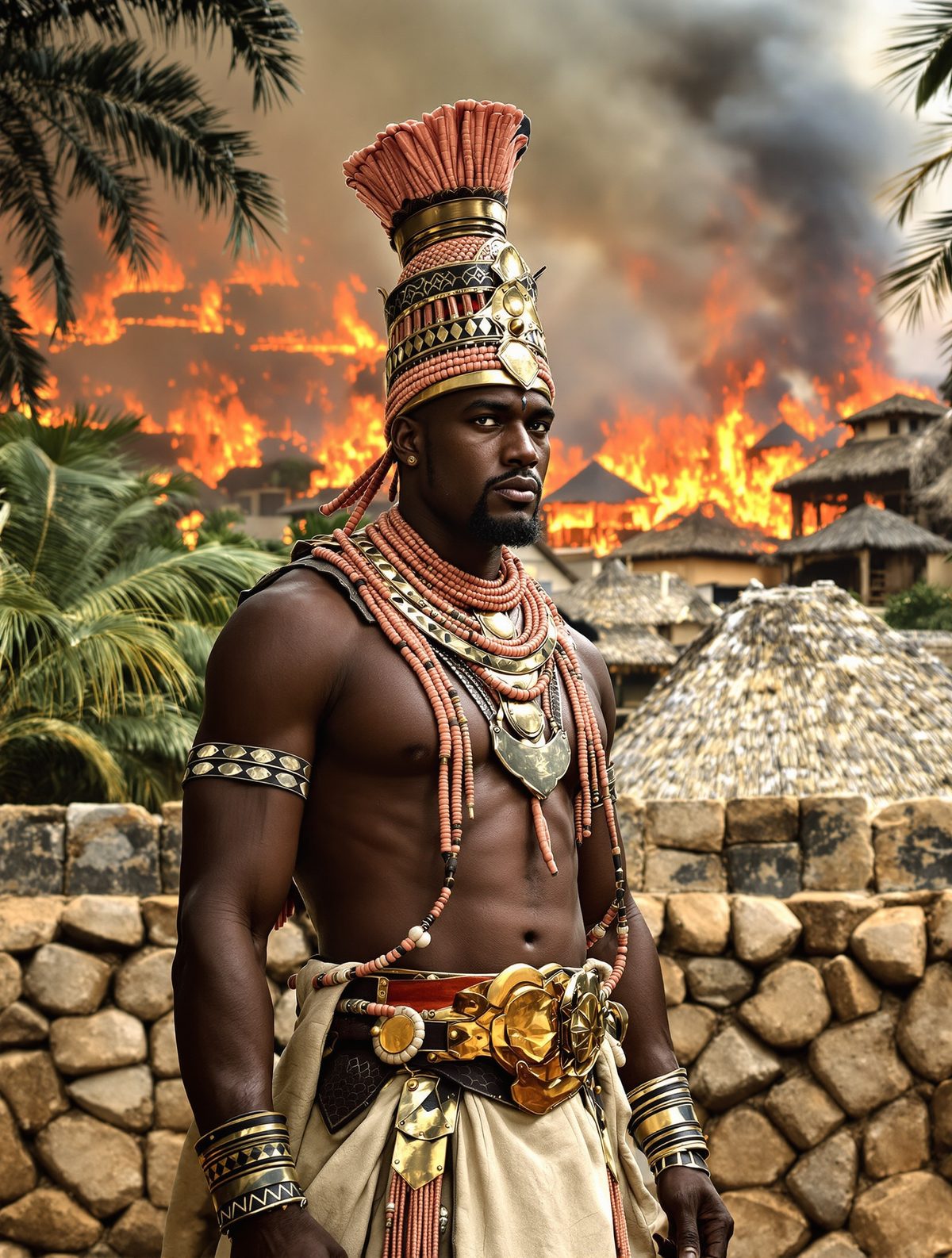
The morning sun cast long shadows across the dusty training ground in 1816 as young Zulu warriors gathered for combat practice. Suddenly, one of them—a tall, lean figure named Shaka—did something that made his comrades gasp in disbelief. He hurled his traditional long assegai spear to the ground and pulled out a short, broad-bladed weapon that looked more like an oversized dagger than a proper warrior's tool. The other fighters erupted in laughter. What kind of fool throws away a perfectly good spear for a glorified knife?
Within minutes, their laughter would turn to stunned silence as Shaka proceeded to demolish every opponent who dared face him. The short blade—which he called the ikwa after the sucking sound it made when pulled from flesh—would not only revolutionize African warfare but transform a small Zulu clan into the most feared military machine the continent had ever witnessed.
The Problem with Fighting at a Distance
To understand Shaka's revolutionary thinking, you have to picture how African warfare worked in the early 1800s. For generations, southern African tribes had fought using long throwing spears—elegant weapons that could sail through the air and strike enemies from a safe distance. Combat resembled a deadly dance, with warriors hurling spears at each other from opposite sides of the battlefield, then retreating to collect more ammunition.
This style of warfare had one major flaw: it rarely produced decisive victories. Battles could drag on for hours with relatively few casualties, as fighters ducked, weaved, and threw spears in an elaborate game of lethal keep-away. Most conflicts ended when one side simply got tired and went home. For ambitious leaders looking to expand their territory or truly crush their enemies, this gentlemanly approach to combat was maddeningly ineffective.
Shaka, born around 1787, had experienced this frustration firsthand during his early years as a warrior in the service of Chief Dingiswayo. Standing nearly six feet tall in an era when most men barely reached five-foot-six, Shaka possessed both the physical presence and tactical mind to see warfare's limitations. But recognizing a problem and solving it are two very different things.
The Birth of a Killing Machine
The weapon that would change everything measured just 18 inches long—shorter than a modern laptop. But what the ikwa lacked in length, it made up for in devastating efficiency. Shaka designed it with a leaf-shaped blade as broad as a man's palm, perfect for creating massive wounds that would drop an opponent instantly. The name itself came from the distinctive "ikwa!" sound the blade made when yanked free from a victim's body—a noise that would soon strike terror into the hearts of enemies across the region.
But the weapon was only half of Shaka's innovation. The real revolution lay in how he used it. Instead of standing back and throwing spears, Shaka developed a completely new combat philosophy: close with the enemy as quickly as possible and kill them with brutal efficiency. This required not just a new weapon, but an entirely new way of thinking about battle.
Shaka paired his stabbing spear with a massive cowhide shield—not the small bucklers most warriors carried, but a full-body shield tall enough to provide complete protection while advancing. The genius lay in the combination: use the shield to deflect incoming spears while charging forward, then hook the enemy's shield aside with your own and drive the ikwa home before they could react.
The first time Shaka demonstrated this technique in actual combat, witnesses later claimed it was like watching a lion tear through a flock of sheep. Warriors who had fought for decades found themselves helpless against an opponent who refused to play by the established rules of warfare.
From Warrior to Warlord
In 1816, when Chief Dingiswayo helped Shaka seize control of the small Zulu clan, the new leader inherited fewer than 1,500 people scattered across a modest patch of territory in what is now South Africa. Most neighboring chiefs barely considered the Zulus worth noticing. This anonymity was about to end dramatically.
Shaka immediately began transforming every aspect of his military. He threw out the age-old tradition of seasonal warfare—the polite custom where armies only fought during certain times of year, allowing everyone to go home and tend their crops in between battles. Instead, he created the first professional standing army in southern African history, with warriors who trained year-round and lived for combat.
Every man in Shaka's army had to master the ikwa and the new close-combat techniques. But this was just the beginning. Shaka revolutionized military organization by dividing his forces into four tactical groups: two "horns" that would encircle the enemy flanks, a "chest" that engaged the enemy head-on, and a "loins"—a reserve force that sat with their backs to the battle until needed. This "buffalo horn" formation became the Zulu trademark, allowing them to surround and annihilate enemies who still fought in traditional loose formations.
The results were immediate and terrifying. In 1818, Shaka's 4,000 warriors completely destroyed the powerful Ndwandwe army—a force nearly twice their size—in a battle so one-sided that survivors described it as a massacre rather than a proper fight. Word of the Zulus' new fighting methods spread like wildfire across southern Africa.
The Weapon That Carved an Empire
Within a decade of introducing the ikwa, Shaka had transformed his tiny clan into a military empire controlling over 11,500 square miles of territory. His army grew from 1,500 people to more than 40,000 disciplined warriors, each one trained to kill efficiently with the short stabbing spear. The psychological impact of the weapon became almost as important as its physical effectiveness—enemies often fled at the mere sight of advancing Zulu impi (regiments) rather than face those terrible short blades.
The ikwa wasn't just changing how the Zulus fought; it was reshaping the entire demographic map of southern Africa. The period from 1815 to 1840 became known as the Mfecane (the "crushing" or "scattering"), as tribes either submitted to Zulu dominance, fled to distant territories, or adopted Shaka's military innovations to survive. Entire peoples migrated hundreds of miles to escape the reach of those short, deadly spears.
European observers who witnessed Zulu warfare were stunned by its efficiency. One British officer wrote in 1824 that watching a Zulu charge was like seeing "a black tide of death" sweep across the battlefield, with the ikwa blades glinting like "a thousand deadly stars." The weapon had become so synonymous with Zulu identity that warriors who lost their spear in battle were expected to retrieve it or die trying—returning home without it meant permanent exile and disgrace.
The Double Edge of Innovation
Shaka's military revolution came with a terrible price. His relentless expansion and the brutal efficiency of the ikwa contributed to massive population displacement and death across southern Africa. Conservative estimates suggest that over one million people died during the Mfecane, whether from direct warfare, starvation during forced migrations, or conflicts between displaced groups competing for new territory.
The very success of Shaka's innovations ultimately contributed to his downfall. By 1828, even his own people had grown weary of constant warfare and the rigid military discipline he demanded. When Shaka was assassinated by his half-brothers in September of that year, he fell to traditional long spears—a bitter irony for the man who had revolutionized combat with a short blade.
Yet the ikwa survived its creator. Shaka's successors continued to wield it effectively against both African enemies and European colonizers. The weapon reached its ultimate test in 1879, when 20,000 Zulu warriors armed primarily with traditional weapons—including the ikwa—shocked the world by defeating a modern British army equipped with rifles and artillery at the Battle of Isandlwana. It was one of the most devastating defeats ever inflicted on a European colonial force by indigenous fighters.
Legacy of the Short Blade
Today, in our age of drone warfare and smart bombs, Shaka's 18-inch spear might seem like a quaint relic from a simpler time. But the principles behind his innovation remain startlingly relevant. The ikwa succeeded because Shaka understood something that modern military strategists still grapple with: sometimes the most sophisticated solution isn't the best solution. Sometimes revolutionary change comes from throwing out the conventional wisdom and asking fundamental questions about how things really work.
Shaka didn't just create a better weapon; he reimagined the entire concept of warfare from the ground up. His willingness to abandon traditional methods and embrace what seemed like a primitive tool—because it actually worked better—offers lessons that extend far beyond the battlefield. In a world where we often assume that bigger, more complex, and more expensive automatically means better, the story of the ikwa reminds us that true innovation sometimes means moving in the opposite direction.
The next time you hear someone dismiss a simple solution in favor of a complicated one, remember the young warrior who threw away his long spear and picked up a short blade. Sometimes the most powerful revolutions begin with the courage to make what looks like a step backward.