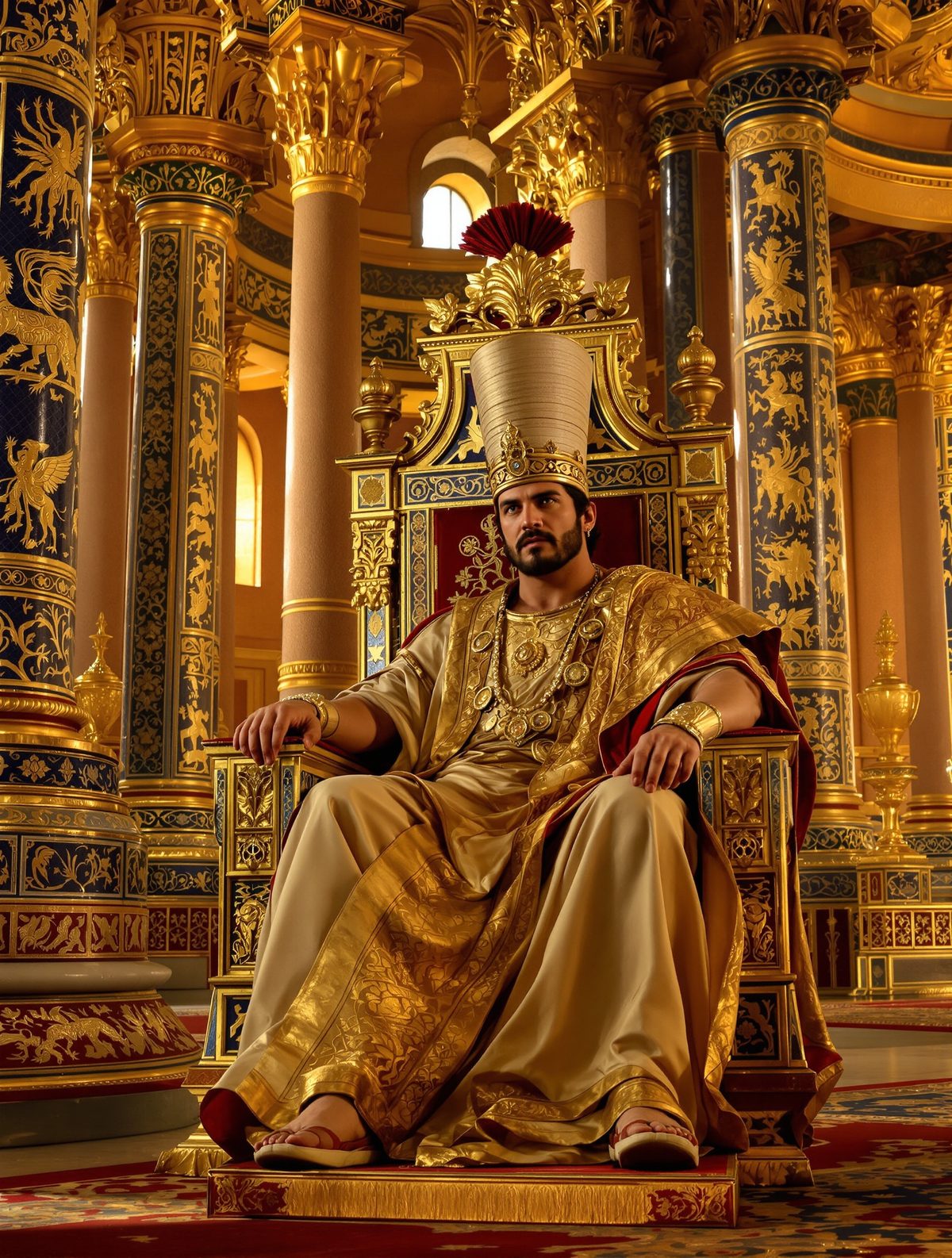
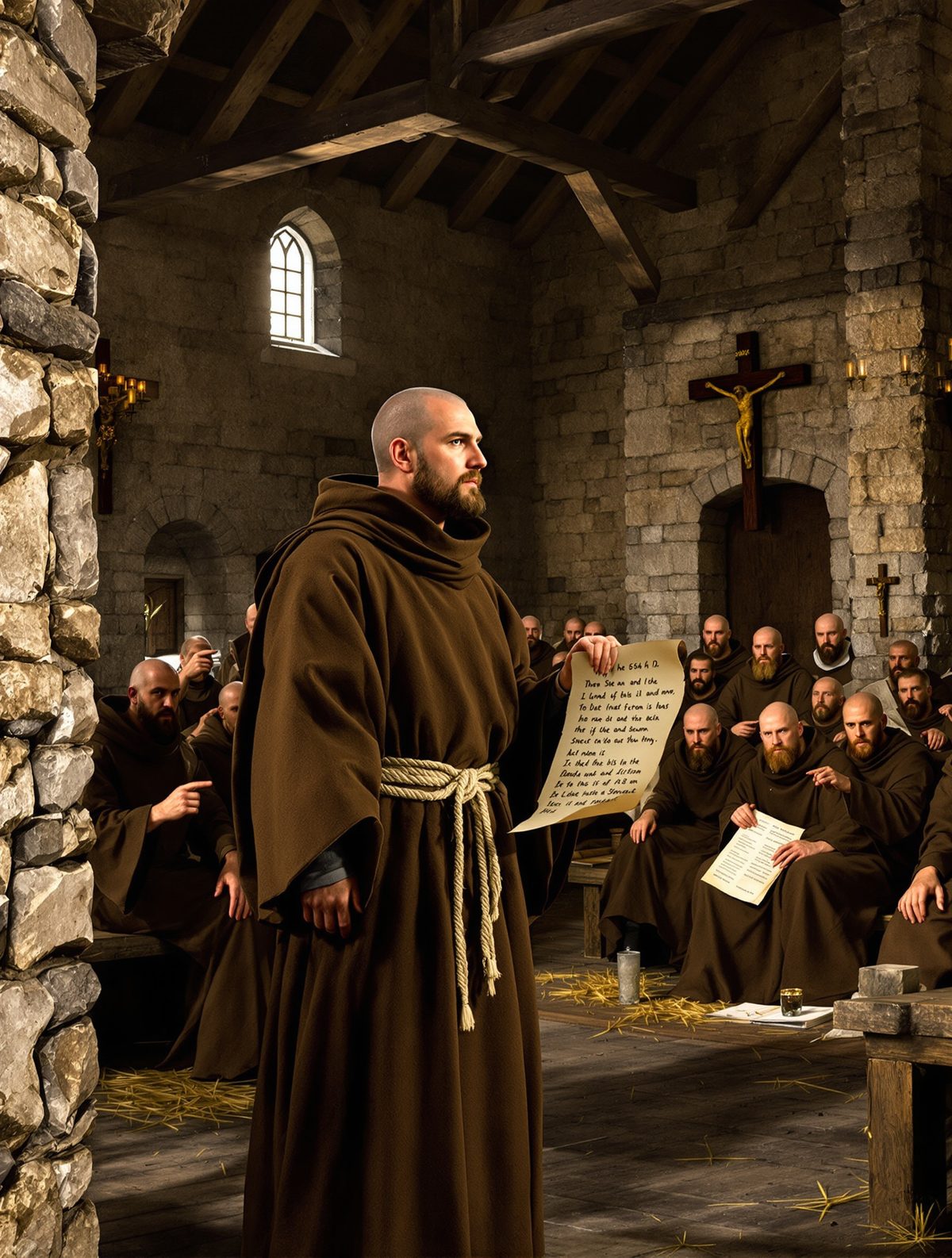
The scroll arrived at dawn on October 18, 31 AD, bearing the imperial seal of Emperor Tiberius. As the most powerful man in Rome read its contents in the Senate house, his face drained of color. The letter that was supposed to grant him ultimate power instead condemned him to death. Within hours, Lucius Aelius Sejanus—the man who had ruled an empire from the shadows—would be dragged through the streets like a common criminal, his five-year reign of terror finally at an end.
But how had a simple soldier risen to control the Roman Empire while its emperor lounged on a Mediterranean island? And why didn't anyone see the trap closing around Rome's throat until it was almost too late?
The Fox in the Henhouse
When Sejanus first caught Emperor Tiberius's attention around 14 AD, he seemed like the perfect soldier. Tall, charismatic, and brutally efficient, he had worked his way up through the ranks to become Prefect of the Praetorian Guard—Rome's elite imperial bodyguard. What Tiberius didn't realize was that he had just handed the keys to the empire to one of history's most cunning opportunists.
The Praetorian Guard had been created by Augustus as a 4,500-man force to protect the emperor, but they were scattered across Rome in small barracks. Sejanus convinced Tiberius that this arrangement was dangerous—what if enemies coordinated simultaneous attacks? He proposed concentrating all the Praetorians in a single, massive fortress called the Castra Praetoria just outside Rome's walls.
Tiberius agreed, unknowingly giving Sejanus control of what amounted to a private army camped at Rome's doorstep. No emperor had ever allowed such a concentration of military power so close to the capital. It was like hiring a bodyguard and then giving him the keys to the armory, the bank vault, and your house.
But Sejanus had bigger plans than simply commanding soldiers. He understood something that many ambitious Romans missed: real power in the empire didn't come from holding official titles—it came from controlling access to the emperor. And Tiberius, growing increasingly paranoid and reclusive, was the perfect target for manipulation.
The Emperor's Shadow
Sejanus's first master stroke came in 23 AD when Tiberius's son and heir, Drusus, died suddenly. Historical sources suggest Sejanus may have poisoned him, possibly with the help of Drusus's own wife, Livilla, who had become Sejanus's lover. With the direct heir eliminated, the succession became murky—exactly the kind of uncertainty that Sejanus could exploit.
But the Praetorian Prefect's most brilliant move was yet to come. In 26 AD, he convinced the aging Tiberius to leave Rome entirely and retreat to the island of Capri. Sejanus painted this as a well-deserved retirement for the 67-year-old emperor, a chance to escape the stress of governing and enjoy the island's natural beauty and privacy.
What Sejanus didn't mention was that Capri was 150 miles south of Rome—a journey of several days by ship. In an age before instant communication, this distance effectively made Sejanus the emperor's sole representative in the capital. Every petition to the emperor had to go through him. Every imperial decision required his input. Every senator who wanted access to Tiberius had to curry favor with the Praetorian Prefect first.
Tiberius, meanwhile, seemed content to rule the empire from his villa overlooking the Mediterranean, trusting his loyal Prefect to handle the day-to-day business of governing. Ancient historians like Suetonius whispered that the emperor spent his time on Capri indulging in increasingly debauched pleasures, but whether these stories were true or simply propaganda, they served Sejanus's purposes perfectly—they kept senators from wanting to visit the emperor personally.
Five Years of Terror
With Tiberius safely isolated on Capri, Sejanus began systematically eliminating anyone who might threaten his position. His weapon of choice was the lex maiestatis—Rome's treason law, which had originally been designed to protect the emperor from genuine threats but could be stretched to cover almost any criticism of the government.
Sejanus turned the Roman Senate into his personal tribunal. Senators competed to bring treason charges against their rivals, knowing that successful prosecutions would earn them rewards from the Praetorian Prefect. Between 26 and 31 AD, dozens of prominent Romans were executed, exiled, or forced to commit suicide on treason charges. The atmosphere became so poisonous that senators stopped speaking freely, and some refused to attend meetings entirely.
Among Sejanus's most shocking victims were members of the imperial family itself. Agrippina the Elder, widow of the popular general Germanicus and mother of potential heirs, was arrested and exiled to the island of Pandateria in 29 AD. Her eldest son, Nero Julius Caesar (not the later emperor), was imprisoned and forced to starve himself to death. Her second son, Drusus Caesar, was arrested in 30 AD and locked in the palace dungeons, where he would eventually die of starvation.
What made these purges particularly chilling was their methodical nature. Sejanus wasn't acting out of passion or paranoia—he was systematically clearing the path to the throne. Each execution or exile removed another obstacle to his ultimate goal of becoming emperor himself.
The Puppet Master's Overreach
By 30 AD, Sejanus controlled virtually every aspect of Roman government. He had been granted imperium—the legal authority to command armies and enforce laws—normally reserved for emperors and governors. Statues of Sejanus appeared throughout Rome, and public festivals celebrated his achievements. He had even been granted the unprecedented honor of sharing the consulship with Emperor Tiberius himself.
But Sejanus made a critical error: he became too visible. When he requested permission to marry Livilla (Drusus's widow and Tiberius's daughter-in-law), alarm bells apparently began ringing in the emperor's mind. Marriage to Livilla would make Sejanus a member of the imperial family and give him an even stronger claim to the throne.
More importantly, Sejanus had underestimated the intelligence network of Antonia Minor, Tiberius's sister-in-law and one of the most powerful women in Rome. Antonia had been quietly gathering evidence of Sejanus's crimes, including proof of his affair with Livilla and possibly evidence of Drusus's murder. In late 30 AD, she managed to send a secret letter to Tiberius on Capri, warning him of Sejanus's true ambitions.
The emperor's response was characteristically cunning. Rather than confronting Sejanus directly, Tiberius began a careful campaign to isolate his Praetorian Prefect. He started promoting Sejanus's rivals, particularly Macro, whom he secretly appointed as the new Praetorian Prefect. But Sejanus, drunk on his own power, failed to notice the warning signs.
The Letter That Toppled an Empire
On the morning of October 18, 31 AD, the Roman Senate gathered for what they expected to be a routine session. Sejanus took his place among the senators, confident and relaxed. A messenger arrived with a letter from Emperor Tiberius—not unusual, since the emperor regularly sent instructions from Capri.
But as the letter was read aloud, the mood in the chamber shifted dramatically. Tiberius began by praising Sejanus, leading many to expect some new honor or appointment. Then the tone changed. The emperor expressed concerns about certain individuals close to him. Then came the bombshell: Tiberius directly accused Sejanus of treason and ordered his immediate arrest.
The transformation was immediate and brutal. Senators who had spent years fawning over Sejanus suddenly couldn't distance themselves fast enough. The man who had controlled the empire for five years found himself completely abandoned in a matter of minutes. Macro's loyal Praetorians surrounded the stunned Sejanus and dragged him from the chamber.
The execution that followed was swift but not merciful. Sejanus was strangled in the Mamertine Prison that same day. But the bloodletting didn't stop there. In a frenzy of revenge and fear, Roman mobs turned on anyone associated with the fallen Prefect. Sejanus's children were murdered, including his young daughter, who had to be raped first because Roman law prohibited the execution of virgins. His supporters were hunted down and killed, and even his statues were torn down and destroyed.
The Shadow of Modern Power
The rise and fall of Sejanus reads like a blueprint for authoritarian takeover that feels unnervingly familiar today. He understood that in times of crisis or uncertainty, people often willingly trade freedom for security, allowing ambitious individuals to accumulate unprecedented power in the name of protection.
Sejanus's story reveals how quickly democratic institutions can be corrupted when oversight disappears and power becomes concentrated in the hands of a single individual. For five years, the Roman Empire—the most powerful civilization on Earth—was effectively ruled by a man who held no constitutional authority to do so. He achieved this not through military conquest or popular revolution, but through patient manipulation of existing systems and the calculated elimination of opposition.
Perhaps most chilling of all, Sejanus came within a whisper of making his coup permanent. Had Tiberius died just a few months later, or had Antonia's warning arrived too late, the Roman Empire might have had a very different emperor—one who seized power not through birthright or adoption, but through the methodical destruction of everyone who stood in his way. It's a reminder that in any system of government, vigilance isn't just important—it's the price of survival.