The ancient city of Carthago Nova fell to the might of Rome. Yet, flames and massacre did not follow its capture.
The Siege Unfolds
In the autumn of 209 BCE, the air around Carthago Nova was filled with tension. Roman General Scipio Africanus, young yet unseasoned by the brutality of war, led his legions towards this illustrious city. Known today as Cartagena, Carthago Nova was a jewel of the Carthaginian empire. Situated in Iberia (modern-day Spain), its strategic significance was unmatched—it was the lifeline that secured Carthage’s grip on the Mediterranean. Encircled by fortifications deemed impenetrable, the city had stood as a symbol of Carthaginian power.
Scipio’s troops, veterans of the Second Punic War's fierce battles, were battle-hardened and eager for bloodshed—one more conquest in the brutal expanse of Roman campaigns. Through a daring operation, Scipio capitalized on an unguarded harbor and launched his attack with the rising sun. It was a masterstroke that took the defenders by surprise, and soon the fate of Carthago Nova teetered on the edge of Scipio’s sword.
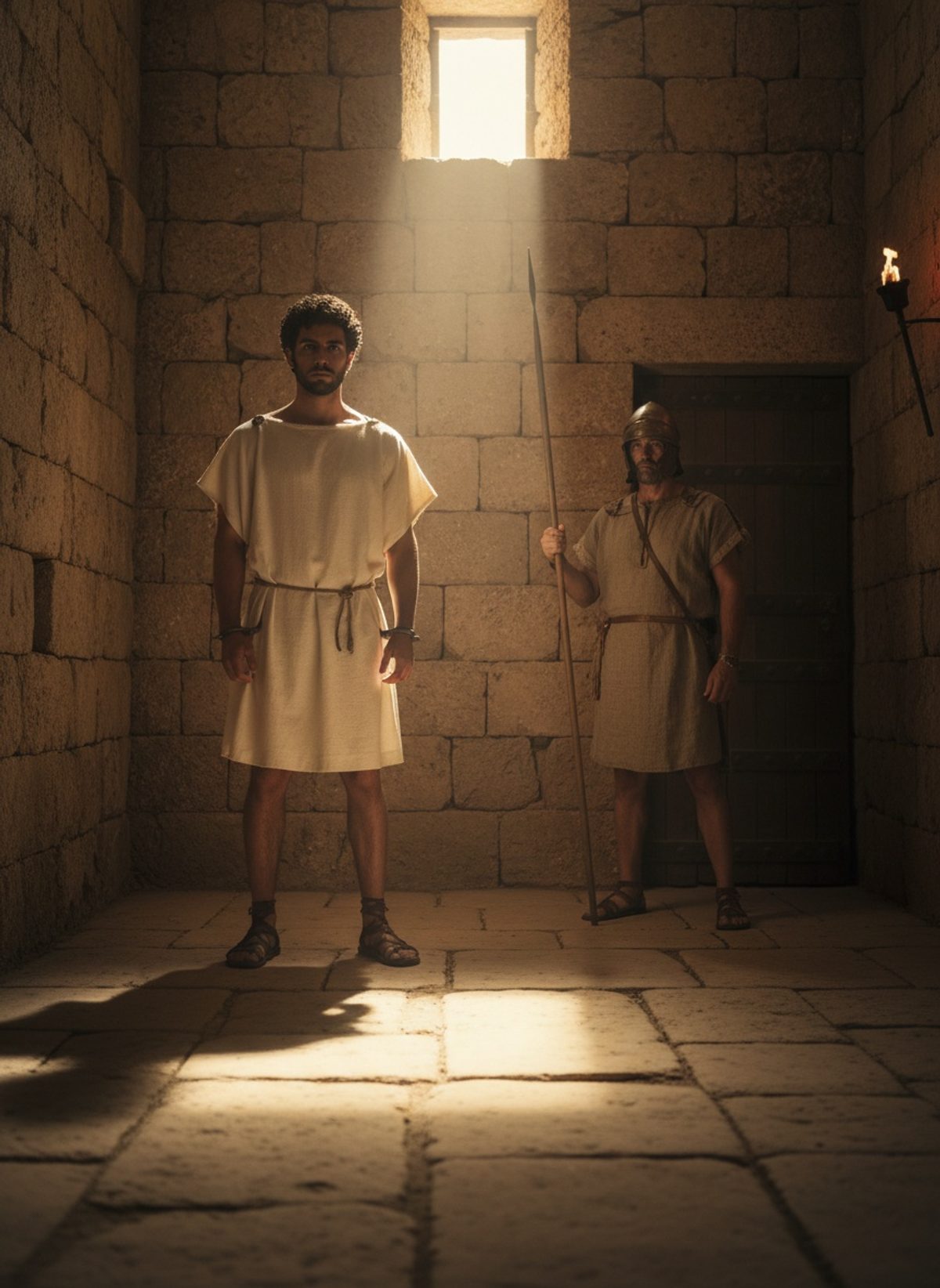
Inside the city, fear spread like wildfire among the citizens and the Carthaginian garrison. Hundreds of hostages, collateral damage caught in the web of Carthaginian politics, awaited their doom. Men, women, and children—they were the negotiating tools of Carthage, used to maintain control over the Iberian tribes. As Roman soldiers breached the defenses, the city’s inhabitants braced for the slaughter and pillage that undoubtedly accompanied Roman victories. Yet, the expected tide of violence never came.
An Unprecedented Decision
The fall of Carthago Nova could have been a massacre. Instead, Scipio Africanus made a decision that would ripple through the ages, altering the course of the war and hearts. As his triumph became apparent, Scipio stood among his victorious legions, listening to the clamor of his men begging for the spoils of war. The demand was loud and clear: loot, destroy, and reduce the city to ashes. But Scipio, with a temperament rare for his time, ordered a halt to the carnage.
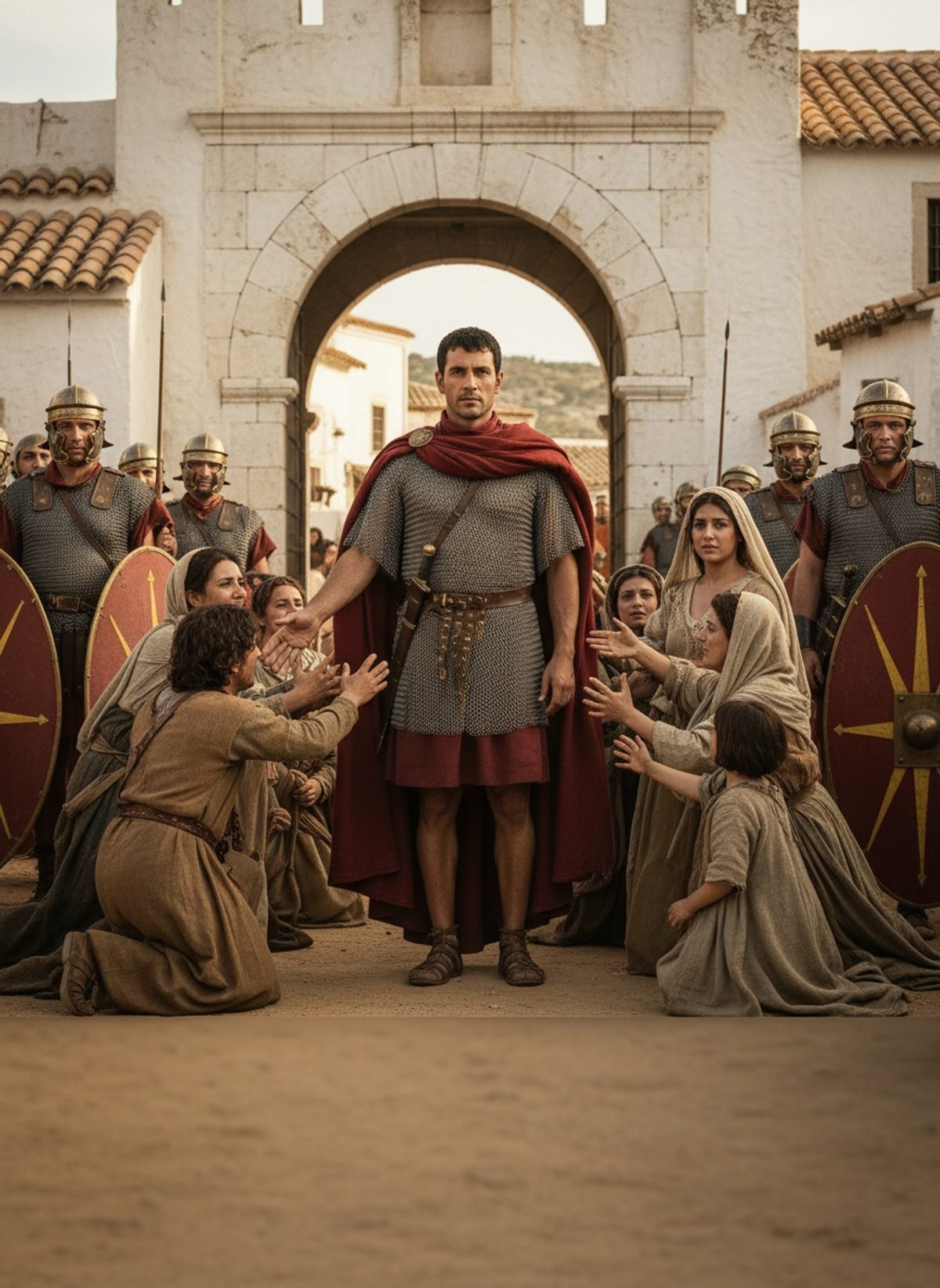
He entered the city not as a destroyer, but as a leader with a vision beyond immediate gain. In a staggering act of mercy, he commanded the release of the hostages—men, women, and children. This act of clemency reverberated with a power that echoed down the streets of Carthago Nova and across the hills of Iberia. For the hostages released, it was not only life regained but dignity restored. For Rome, a signal that Scipio was more than a mere conqueror; he was a tactician of a different kind, one who wielded both sword and statesmanship with grace.
Rome was astounded by the young general’s clemency, while Carthage was left speechless, scrambling to regain the foothold in Iberia that seemed immovable. Through this bold and unexpected stroke, Scipio seized not just a city but turned potential foes into allies. It was a remarkable demonstration of psychological warfare, capturing the hearts and minds of the local population. The tribes, once hesitant, found in Scipio a leader they could rally behind. This strategic kindness laid the foundation for Roman dominance in the region.
The Aftermath of Mercy
The consequences of that decision resonated far beyond the battlefield. Carthage, humiliated and weakened, struggled to come to terms with the loss of their prime city. A psychological blow was struck, shaking the previously unbeatable perception of Carthaginian invincibility. As news of Scipio’s leniency spread, it fostered goodwill and incited rebellion within Carthage’s ranks, sowing seeds of discord among their conquered territories.
For Scipio, the capture—and sparing—of Carthago Nova bolstered his reputation as a visionary leader. He had transformed a military triumph into a strategic masterpiece, etching a new path in the annals of Roman conquest. The move brought him allies not chained by fear but persuaded by respect. This decision signaled a shift in Roman military strategy, showing that mercy could yield greater returns than mere might.
In the grand narrative of the Second Punic War, Scipio Africanus exhibited a character that contrasted sharply with the brutal customs of warfare ancient Rome was renowned for. It was this mixture of steel and magnanimity that set Scipio apart from his contemporaries. He understood that the real battleground extended beyond the physical and into the realm of the psychological—the very hearts of the people.
It is easy to paint such historical figures with broad strokes of legend and myth, yet Scipio’s actions at Carthago Nova are a powerful reminder of the complexities of leadership. Here was a general who dared to envisage a peace without annihilation, a future grown from strategic mercy rather than scorched earth. This moment remains a pivotal lesson from an era where empires were forged by the weight of their swords. Today, it stands as a reflection on the lasting power of humane leadership, one that has the opportunity to reshape history itself.