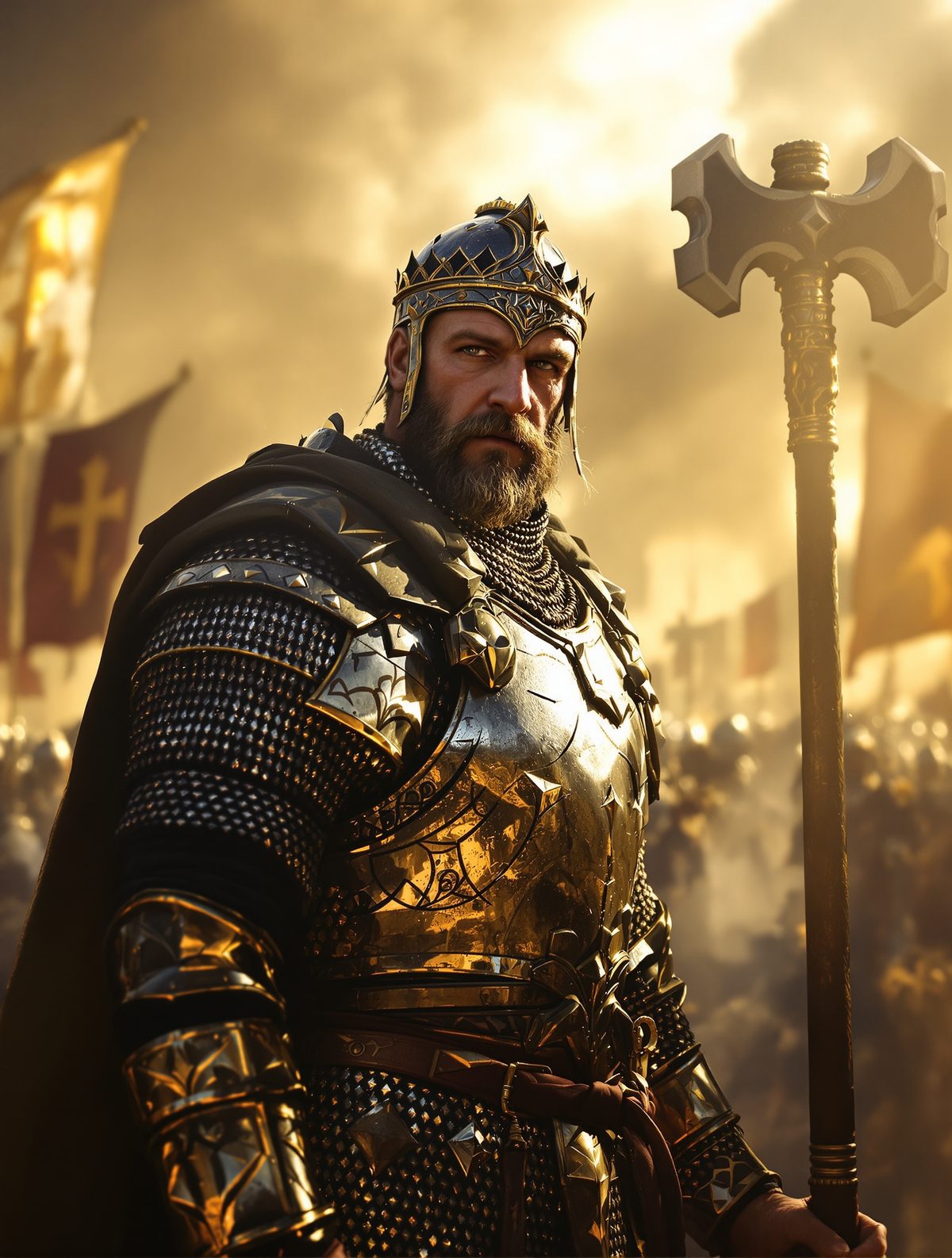
Picture this: It's 80 AD in Rome, and the crowd inside the newly-opened Colosseum erupts in deafening cheers. But they're not screaming for their emperor or their gods—they're losing their minds over a muscled fighter named Flamma, who's just delivered another spectacular victory. Women throw flowers and jewelry into the arena. Street vendors outside hawk clay figurines bearing his likeness. And in the wealthy districts of the city, dinner party conversations revolve around his latest fight techniques.
Sound familiar? It should. Because nearly two thousand years before LeBron James signed his first endorsement deal or Taylor Swift broke the internet, ancient Rome had already perfected the art of turning entertainers into mega-celebrities. The twist? These superstars made their fortunes by literally fighting for their lives.
While history classes taught us that gladiators were mere slaves thrown to the lions, the reality was far more complex—and far more lucrative. The greatest gladiators of the Roman Empire weren't just surviving the arena; they were conquering it, amassing fortunes that would make modern athletes jealous and building fan bases that spanned continents.
The Million-Sestertii Men: When Death Became a Payday
Let's talk money—serious money. A successful gladiator could earn between 1,000 to 15,000 sestertii per fight, and champions commanded even higher fees. To put this in perspective, a Roman legionnaire earned about 900 sestertii per year. A single victory could net a top gladiator more than a soldier made in over a decade of service.
Flamma, whose name literally meant "flame," was perhaps the ultimate gladiator success story. This Syrian-born fighter compiled a record that would make any modern athlete weep with envy: 34 fights, 21 victories, 9 draws, and only 4 defeats. But here's the kicker—he was offered his freedom four separate times and turned it down each time. Why would a slave refuse freedom? Simple: he was making too much money to quit.
The math was compelling. Free men could keep a larger portion of their winnings, and Flamma had calculated that his earning potential in the arena far exceeded anything he could make in civilian life. He died wealthy at age 30, having accumulated enough wealth to live like a Roman nobleman. His gravestone, discovered in Sicily, bears an inscription that reads more like a sports hall of fame plaque than a typical Roman burial marker.
But Flamma wasn't alone. Gladiators like Spiculus became so wealthy under Emperor Nero's reign that they owned properties, slaves of their own, and lived in luxurious villas between fights. When Nero fell from power in 68 AD, Spiculus had accumulated enough wealth that he simply vanished from history—likely retiring to a life of comfortable anonymity.
Ancient Endorsement Deals: When Warriors Became Brands
Walk through the excavated streets of Pompeii today, and you'll see something remarkable preserved in volcanic ash: the world's first sports marketing empire. Gladiator graffiti covers walls throughout the city, but these aren't random scribbles—they're sophisticated promotional campaigns.
"Celadus the Thracian is the heartthrob of all the girls," reads one piece of graffiti found on a Pompeii wall. Another proclaims, "Crescens, net-fighter, holds the hearts of all the girls." These weren't fan tributes—they were advertisements. Gladiator schools paid for this early form of street marketing, understanding that sex appeal sold tickets just as effectively as fighting prowess.
The merchandising machine was equally sophisticated. Archaeologists have unearthed gladiator-themed oil lamps, drinking cups, and even small bronze figurines—ancient Rome's answer to action figures. These items weren't cheap novelties; they were premium products that commanded high prices throughout the empire. A single gladiator lamp could cost 10-15 sestertii, representing several days' wages for an ordinary Roman worker.
Some gladiators even had their own signature products. Glass vessels bearing the names and images of famous fighters have been found as far away as Britain and Egypt, suggesting that gladiator merchandise was among Rome's first truly international luxury brands.
The Beast Master: Carpophorus and the Art of Spectacle
If Flamma was the gladiatorial world's greatest technical fighter, then Carpophorus was its ultimate showman. This bestiarius—a gladiator who specialized in fighting wild animals—transformed the brutal practice of animal combat into high art, and the Roman public couldn't get enough.
Carpophorus didn't just fight animals; he choreographed elaborate spectacles that told stories. In one famous performance, he single-handedly killed 20 wild beasts in a single afternoon, including lions, leopards, and bears. But his masterpiece was a recreation of the myth of Orpheus, where he appeared in the arena dressed as the legendary musician, surrounded by "tamed" animals that would seemingly respond to his lyre-playing. The twist ending? The animals would suddenly turn violent, and Carpophorus would dispatch them with theatrical flair.
These performances made him fantastically wealthy. Roman patricians paid enormous sums to have Carpophorus recreate famous mythological scenes at private parties. Emperor Domitian reportedly paid him 50,000 sestertii for a single private performance—enough money to buy a substantial estate outside Rome.
The influence extended far beyond the arena. Mosaics depicting Carpophorus's most famous fights have been found in Roman villas across North Africa, Gaul, and Britain. Wealthy Romans literally decorated their homes with scenes of his performances, turning him into a form of living artwork.
Gladiator Groupies: When Roman High Society Lost Its Mind
Roman historian Juvenal wrote scathingly about upper-class women who became obsessed with gladiators, but his horror only confirms how widespread the phenomenon had become. Archaeological evidence suggests that gladiator fandom among wealthy Roman women reached levels that would make modern celebrity stalkers seem restrained.
Wealthy women would pay staggering sums—sometimes 100,000 sestertii or more—for a single night with a famous gladiator. These weren't just sexual encounters; they were status symbols. Being seen with a champion gladiator at the theater or baths was the Roman equivalent of showing up to a movie premiere with a Hollywood A-lister.
Some relationships became legendary scandals. The empress Faustina, wife of Marcus Aurelius, was rumored to have had an affair with a gladiator—a rumor so persistent that it influenced succession politics when her son Commodus showed an obsession with gladiatorial combat.
The gladiator schools capitalized on this fascination by offering "meet and greet" experiences centuries before anyone had coined the term. Wealthy patrons could tour training facilities, watch private practice sessions, and dine with fighters. These experiences commanded premium prices and became a crucial revenue stream for the most successful gladiatorial enterprises.
The Business Empire: From Fighter to Franchise Owner
The smartest gladiators understood that fighting was just the beginning of their earning potential. Many successful fighters invested their winnings in gladiator schools, essentially becoming the franchise owners of ancient Rome's most popular entertainment industry.
A freedman gladiator named Marcus Aurelius Liber established one of Rome's most successful training schools around 140 AD. His school produced champions for over 50 years, and inscriptions suggest that he became wealthy enough to sponsor games in multiple cities. He had essentially created a vertically integrated entertainment business—training the talent, managing the performances, and taking a cut of all revenue streams.
These gladiator-entrepreneurs understood marketing in ways that seem thoroughly modern. They created "signature styles" for their fighters, developed distinctive armor designs that became instantly recognizable, and even established training techniques that were traded as closely guarded secrets.
The most successful schools operated more like modern sports franchises than simple training facilities. They had dedicated medical staff, nutritionists, equipment manufacturers, and even early forms of sports psychologists who helped fighters overcome the mental challenges of arena combat.
The Price of Fame: Living and Dying as Ancient Superstars
Between fights, champion gladiators lived like the superstars they were. They dined on carefully crafted high-protein diets designed by the era's best physicians. They received massages, hot baths, and medical treatments that were unavailable to ordinary Romans. Some even had personal trainers and style consultants who managed their public appearances.
But fame in ancient Rome came with a price that modern celebrities can barely imagine. Even the most successful gladiators faced a roughly 20% chance of death each time they entered the arena. The psychological pressure was immense—imagine if every football game carried genuine life-or-death stakes, and you'll begin to understand what these men endured for their fortunes.
Yet many seemed to thrive under the pressure. Gladiator graveyard inscriptions reveal men who lived fast, spent freely, and approached their dangerous careers with an almost modern celebrity hedonism. "I conquered, I celebrated, I died," reads one gladiator's epitaph. "The crowd loved me, the gods called me home."
The parallels to modern celebrity culture are impossible to ignore. These ancient entertainers dealt with obsessive fans, managed personal brands, navigated complex business relationships, and struggled with the psychological pressures of constant public scrutiny. They were the first humans in recorded history to experience fame at truly massive scale—and they figured out how to monetize it in ways that still influence entertainment industry practices today.
Perhaps most remarkably, they proved that even in humanity's most brutal entertainment contexts, talent, charisma, and business savvy could transform anyone—even slaves—into millionaire superstars. In a world where social mobility was virtually impossible for most people, the arena offered a path to wealth and fame that existed nowhere else in ancient society.
The next time you watch a modern athlete sign a hundred-million-dollar contract or see a celebrity's face plastered on merchandise in every store, remember: the Romans figured it out first, two thousand years ago, in an arena where the stakes were literally life and death.