The autumn mist clung to the rolling hills between Tours and Poitiers on October 10th, 732 AD, as two vastly different worlds prepared to collide in what would become one of history's most consequential battles. On one side stood the battle-hardened warriors of the Umayyad Caliphate—swift Arab cavalry and fierce Berber horsemen who had carved through Spain like a blade through silk, leaving Christian kingdoms shattered in their wake. On the other, a grizzled Frankish warlord named Charles waited with his motley collection of Germanic warriors, many of whom had never seen the Mediterranean sun or imagined that foreign armies could penetrate so deep into the heart of what we now call France.
What happened next would echo through the centuries, determining whether church bells or the call to prayer would ring across European cities for the next thousand years. Yet this pivotal moment in human history began not with grand strategy, but with something far more mundane: treasure.
The Golden Road North
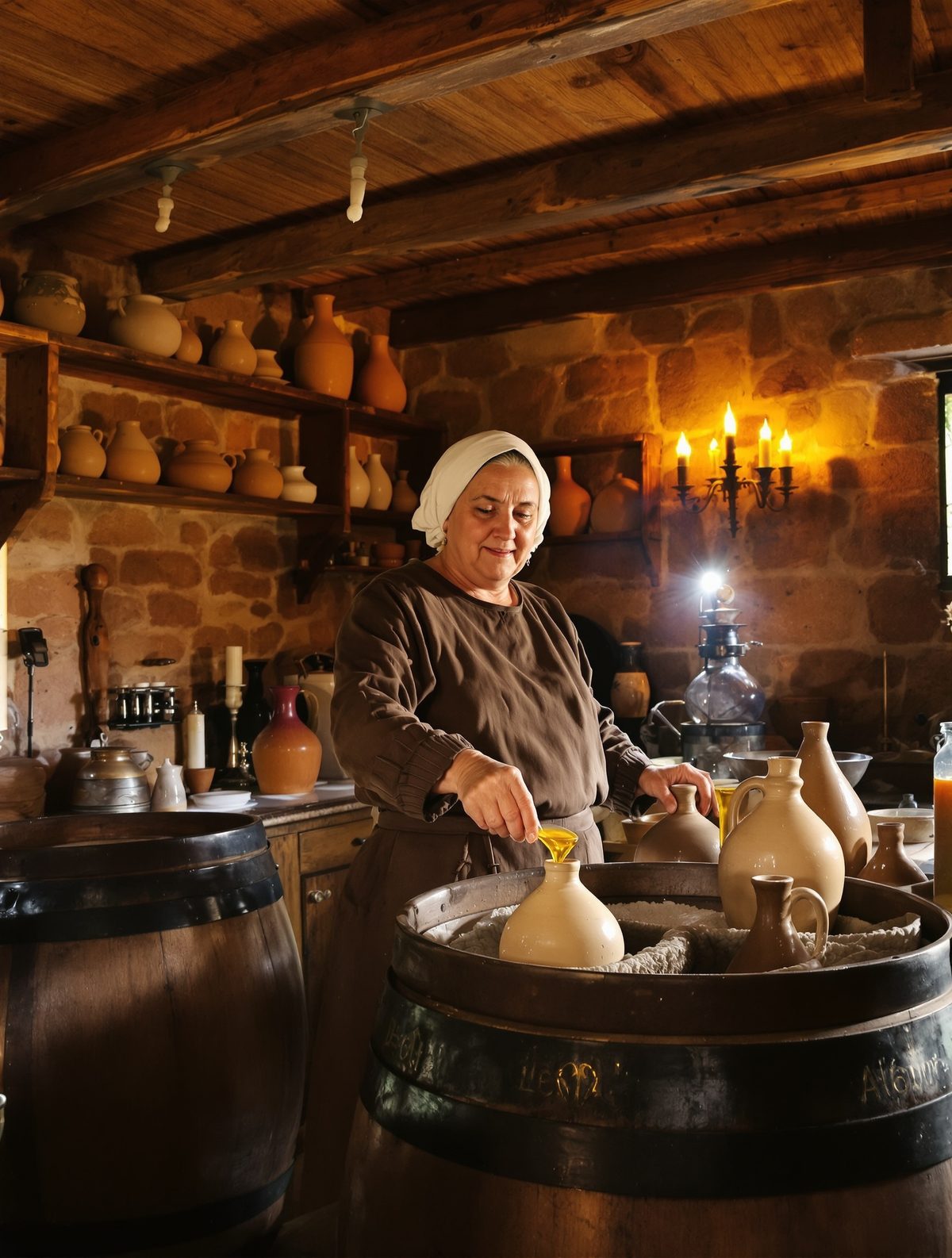
The Islamic expansion into Europe wasn't driven by religious zealotry alone—it was powered by economics. After conquering the Iberian Peninsula in 711 AD with stunning speed, the Umayyad forces under Governor Abdul Rahman Al Ghafiqi had their eyes on an even greater prize: the monastery of St. Martin of Tours. This wasn't just any religious site—it was essentially medieval Europe's Fort Knox, stuffed with centuries of accumulated wealth, golden reliquaries, and precious artifacts that made it one of the richest destinations north of the Pyrenees.
The Umayyad army that crossed into Francia in 732 was a cosmopolitan force unlike anything Europe had seen. Arab cavalry rode alongside Berber warriors from the Atlas Mountains, while Visigothic nobles who had converted to Islam led contingents of Hispanic Christians. This wasn't just an army—it was a mobile empire, complete with siege engines, supply trains, and administrative officials ready to establish permanent governance.
Contemporary sources suggest Abdul Rahman commanded somewhere between 60,000 to 80,000 men, though medieval numbers should always be taken with several grains of salt. What's undeniable is that this force had swept through Bordeaux, Agen, and Saintes with terrifying efficiency, leaving the Frankish territories in panic. Refugees streamed northward with tales of unstoppable horsemen and cities reduced to ash.
The Hammer Awakens
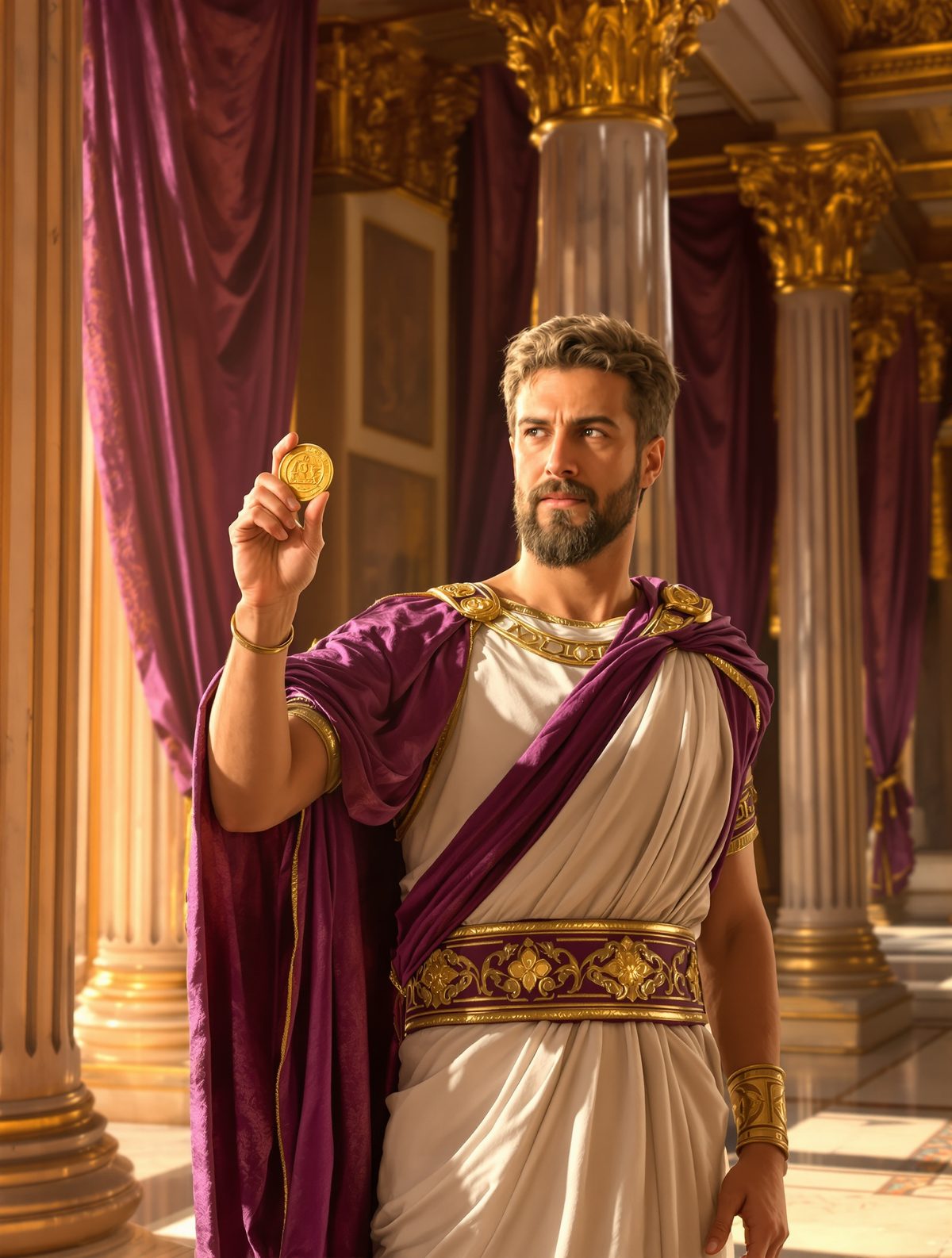
Charles Martel was no king—technically, he was merely the maior domus (mayor of the palace) serving under the powerless Merovingian monarchs. But in the fractured world of 8th century Francia, real power belonged to whoever could swing the biggest hammer, and Charles had been swinging his with remarkable success for over a decade.
Born sometime around 688 AD, Charles had earned his reputation in the brutal internecine warfare that plagued the Frankish kingdoms. His father, Pepin of Herstal, had died when Charles was young, leaving him to fight tooth and nail for his inheritance against rivals who saw an opportunity in his youth. By 732, Charles had already fought and won over twenty major battles, forging a military machine that combined Frankish ferocity with innovative tactics.
When word reached Charles of the Islamic invasion, he was campaigning against the Frisians in the north. The speed with which he pivoted south, gathered his forces, and marched to intercept Abdul Rahman's army demonstrates a level of military organization that historians often underestimate when discussing this "Dark Age" period. Charles managed to mobilize warriors from across Francia, Burgundy, and even convinced his old enemies among the Germanic tribes to join him against this foreign threat.
Seven Days of Stares
The two armies met somewhere between Tours and Poitiers in early October 732—the exact location remains debated by historians, though recent archaeological work suggests a site near modern-day Cenon-sur-Vienne. What followed was one of the most psychologically intense standoffs in military history.
For seven days, neither side attacked. This wasn't cowardice—it was calculation. Abdul Rahman's forces were primarily cavalry-based, relying on mobility and shock tactics that had proven devastatingly effective against other European armies. But Charles had positioned his men on elevated ground, formed into a dense infantry formation that bristled with spears, axes, and shields. The Franks, many of whom were career warriors who owned their own armor and weapons, presented a very different challenge than the hastily assembled levies the Muslims had previously encountered.
Arab chroniclers later described the Frankish battle line as "like a wall of ice in the depth of winter," suggesting that even veteran Islamic warriors found the sight intimidating. Meanwhile, Charles used this time to prepare his secret weapon—though "secret" might be too strong a word. What he had was discipline.
The Day the Music Died
When battle finally erupted on October 10th, it began as Abdul Rahman had planned. Wave after wave of Islamic cavalry thundered up the slope toward the Frankish line, their war cries mixing with the thunder of hooves and the clash of weapons against shields. These weren't wild charges—they were the calculated assaults of professional soldiers who had perfected these tactics across two continents.
But something unprecedented happened: the Frankish line held. For hours, Charles's warriors absorbed charge after charge without breaking. The heavily armored Franks, many fighting on foot by choice rather than necessity, created an immovable obstacle that frustrated every tactical approach the Islamic commanders attempted.
The turning point came when Abdul Rahman himself entered the fray. Islamic sources suggest he was attempting to break the deadlock through personal leadership—a common practice among Arab commanders of this era. But somewhere in the chaos of melee combat, the Umayyad leader fell, struck down either by a Frankish spear or trampled in the confusion. His death sent shockwaves through the Islamic ranks that no amount of tactical brilliance could overcome.
By evening, the Umayyad army was retreating. They withdrew so quietly under cover of darkness that Charles initially suspected a trap. Only when dawn revealed abandoned campsites filled with treasure and supplies did the Franks realize the magnitude of their victory.
The Hammer's Legacy
The Battle of Tours earned Charles his famous nickname "Martel" (The Hammer), but its immediate impact was more complex than later Christian chroniclers suggested. The Islamic retreat didn't end Muslim presence in Europe—Muslim forces continued to hold most of Spain for another 700 years and launched subsequent raids into Francia. However, Tours marked the end of large-scale Islamic expansion into Western Europe and established the Carolingian dynasty that would eventually produce Charlemagne.
What makes this battle truly fascinating isn't just its military outcome, but its technological implications. Charles's victory demonstrated that disciplined infantry could defeat cavalry-based armies—a lesson that would influence European military thinking for centuries. The Frankish success also accelerated the development of heavy cavalry in Western Europe, as Charles and his successors worked to match the mobility that had made Islamic armies so formidable.
The political ramifications were equally significant. Charles's victory established him as the undisputed strongman of Western Europe and set the stage for his son Pepin's eventual claim to the Frankish throne. When Pepin's son Charlemagne was crowned Holy Roman Emperor in 800 AD, that crown rested on foundations laid at Tours.
What If the Hammer Had Shattered?
Historians love to debate counterfactuals, and Tours provides one of history's most intriguing "what if" scenarios. Would Islamic conquest of Francia have meant the end of Christianity in Western Europe? Probably not—Islamic rulers generally allowed Christian communities to continue practicing their faith, albeit as second-class citizens paying additional taxes.
But the cultural implications would have been staggering. No Charlemagne means no Carolingian Renaissance, no Holy Roman Empire, and potentially no unified resistance to Viking expansion. The university system, Gothic architecture, scholastic philosophy—all the intellectual achievements we associate with medieval Europe might never have emerged, or emerged in radically different forms.
Perhaps most intriguingly, Islamic Europe might have meant a very different relationship between European civilization and classical Greek philosophy. While Christian Europe initially preserved only fragments of Aristotle and Plato, Islamic scholars had maintained complete libraries of ancient texts. A Europe integrated into the Islamic world might have experienced its "Renaissance" centuries earlier.
Today, as we grapple with questions about cultural identity, religious diversity, and the clash of civilizations, the Battle of Tours reminds us how single moments can reshape the trajectory of human development. Charles Martel's hammer didn't just stop an army—it forged the cultural DNA of Western civilization. Whether that was triumph or tragedy depends entirely on where you're standing when you look back across those thirteen centuries to that misty October morning when two worlds collided between Tours and Poitiers.