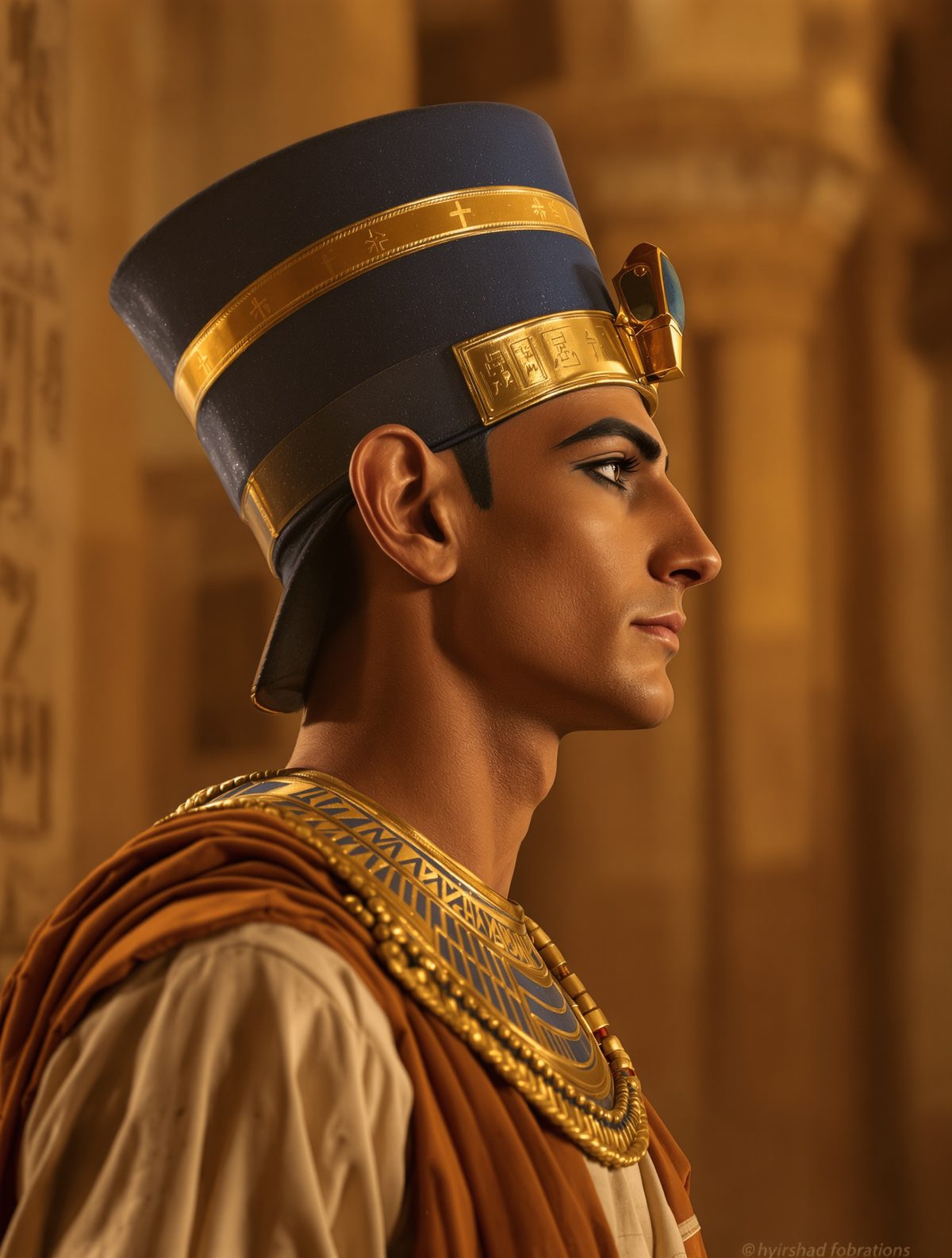
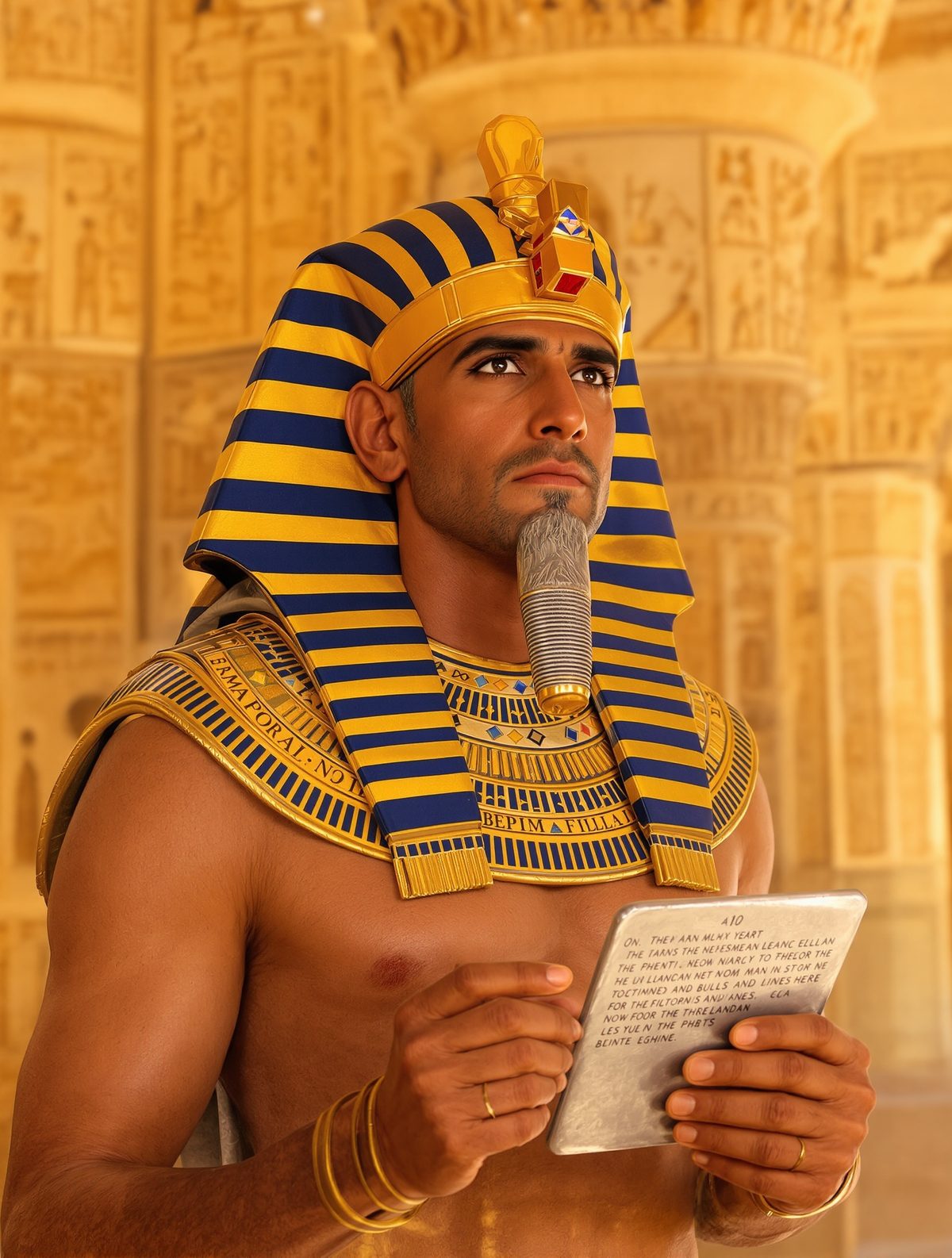
Picture this: In 25 BC, Roman legionaries—the most feared warriors in the ancient world—are fleeing southward through the blazing Nubian desert. Behind them thunders a cavalry charge led by a one-eyed African queen whose battle cry strikes terror into hearts that had conquered Gaul and Britain. This wasn't supposed to happen. Rome didn't retreat. Rome didn't negotiate with "barbarians." But Queen Amanirenas of Kush was about to rewrite the rules of ancient warfare.
For five brutal years, this warrior queen would humiliate the Roman Empire, forcing Augustus Caesar—the man who claimed to rule the world—to personally negotiate peace terms. Her story was deliberately erased from mainstream history books, but the archaeological evidence doesn't lie. In the royal city of Meroë, buried beneath Sudanese sand, lies proof of one of history's most unlikely military victories.
The Kingdom Rome Couldn't Conquer
The Kingdom of Kush stretched along the Nile River in what is now Sudan, a civilization that had already been thriving for over a thousand years when Rome was still a collection of mud huts. The Greeks called it Ethiopia, meaning "land of the burnt faces," but the Kushites called it home—and they weren't about to let some upstart Mediterranean empire take it from them.
By 30 BC, Augustus Caesar had just conquered Egypt, and Roman tax collectors were greedily eyeing the gold mines and ivory trade routes that made Kush wealthy. The Romans had a simple strategy that had worked across three continents: march in, demand tribute, install a puppet ruler, and call it civilization. They'd done it in Gaul, Spain, and Britain. How hard could one African kingdom be?
They were about to find out just how hard.
Queen Amanirenas ruled as Kandake—a title that meant "Queen Mother" and carried absolute authority. Unlike the ceremonial queens of other ancient civilizations, Kushite Kandakes were warrior-rulers who personally led their armies into battle. Archaeological evidence from Meroë shows these queens depicted in full military regalia, bow in hand, trampling enemies underfoot. This wasn't just artistic symbolism—it was a job description.
When Titans Collide
The spark that ignited five years of warfare came in 25 BC when Roman prefect Gaius Petronius decided to expand Egypt's southern border. His legions marched into Kushite territory and captured the fortress city of Syene (modern Aswan), enslaving its population and installing Roman tax collectors. It was standard imperial procedure—except nobody had told Queen Amanirenas that she was supposed to submit quietly.
Her response was swift and devastating. Ancient historians record that she assembled an army of 30,000 warriors and personally led them north into Roman Egypt. This wasn't a desperate last stand—it was a calculated invasion. The queen's forces swept through the First Cataract of the Nile, recaptured Syene, and continued north to besiege the major Roman garrison at Philae.
But Amanirenas wasn't content with just military victory. In a move that must have sent shockwaves through the Roman world, her forces captured several Roman forts and—in the ultimate act of defiance—tore down statues of Augustus Caesar. One bronze head of the emperor was carried back to Meroë, where archaeologists discovered it buried beneath the steps of a palace. Every day, Kushite nobles would literally walk over Caesar's face.
The Making of a One-Eyed Legend
The Romans struck back hard. Gaius Petronius assembled 10,000 legionaries and advanced south, determined to crush this African queen who dared defy Rome. The two armies met somewhere near the fortress city of Qasr Ibrim, and what followed was a battle that would echo through history.
Ancient sources describe a ferocious engagement where Queen Amanirenas fought in the front lines, leading cavalry charges against Roman formations. It was during this battle that she lost her eye—but rather than retreat, the wound seemed to only intensify her resolve. Roman historian Strabo, writing decades later, described her as "a masculine sort of woman, and blind in one eye."
That clinical description hardly captures the terror she must have inspired. Imagine being a Roman soldier, trained to believe in your empire's invincibility, and seeing a one-eyed African queen thundering toward you with a war cry in a language you couldn't understand, leading warriors who fought with the fury of people defending their homeland.
The battle was brutal, but it wasn't decisive. Both armies withdrew, bloodied and exhausted. What followed was something entirely unprecedented in Roman military history: a stalemate. For the first time since the rise of the empire, Roman legions couldn't decisively defeat their opponent.
The Five-Year War That Shook an Empire
What happened next reads like a masterclass in guerrilla warfare, conducted 2,000 years before the term was invented. Queen Amanirenas refused to fight Rome on Roman terms. Instead, she launched a five-year campaign of raids, ambushes, and strategic withdrawals that bled the empire dry.
Her forces would strike Roman outposts, capture supplies and weapons, then vanish into the Nubian desert before reinforcements could arrive. They used their superior knowledge of the terrain and climate to devastating effect. Roman soldiers, designed for the temperate battlefields of Europe, wilted in the African heat while Kushite warriors fought with the endurance of people born to the desert.
The economic impact on Rome was staggering. The empire was forced to maintain large standing armies in Egypt just to protect against Amanirenas' raids. Trade routes were constantly threatened. Tax collection became nearly impossible in border regions. The cost of defending against one African kingdom was draining the imperial treasury.
Perhaps most damaging of all was the psychological impact. News of Roman defeats spread throughout the empire's provinces. If a one-eyed queen in Africa could humble the legions, what message did that send to other subject peoples? Augustus Caesar faced a crisis that threatened the very foundation of Roman authority.
When Caesar Blinked
In 20 BC, something unprecedented happened: Augustus Caesar, ruler of the Mediterranean world, personally opened negotiations with Queen Amanirenas. Not conquest, not demands for surrender—negotiations. Between equals.
The meeting took place on the island of Samos, and the terms that emerged were nothing short of remarkable. Rome would withdraw from all captured Kushite territory. The queen's prisoners would be returned. Most importantly, Kush would pay no tribute to Rome—a condition virtually unheard of in Roman diplomacy.
Contemporary Roman historians tried to spin this as a magnanimous gesture by a merciful emperor, but the truth was simpler: Queen Amanirenas had fought the Roman Empire to a standstill and won a peace that preserved her kingdom's independence. Augustus, the man who boasted of bringing peace to the world through Roman conquest, had been forced to negotiate with an African queen he couldn't defeat.
The treaty held for nearly three centuries. While Rome conquered Britain, Germania, and Dacia, the Kingdom of Kush remained proudly independent, protected by the precedent one brave queen had established with her sword.
The Legacy They Tried to Erase
Why don't we learn about Queen Amanirenas in school? The answer reveals uncomfortable truths about how history gets written and rewritten. Roman historians downplayed her victories, describing her as a curiosity rather than a legitimate military threat. Medieval and colonial European scholars, when they mentioned African kingdoms at all, portrayed them as primitive societies incapable of sophisticated warfare.
But archaeology doesn't lie. The buried bronze head of Augustus under the palace steps. The fortified cities of Kush with their advanced metallurgy and engineering. The temples decorated with images of Kushite queens trampling Roman prisoners. The evidence of a sophisticated civilization that not only survived Roman expansion but actually pushed back against it.
Queen Amanirenas represents something that challenges comfortable narratives about ancient history: proof that the "barbarians" on Rome's frontiers were often the equals of their would-be conquerors, and sometimes their superiors. Her story reminds us that resistance to imperial power is as old as empire itself, and that some of history's greatest military minds belonged to people whose stories were deliberately forgotten.
In our modern world, where questions of power, resistance, and cultural representation dominate headlines, the one-eyed queen of Kush offers a different perspective on ancient history. She shows us that 2,000 years ago, an African woman could stand toe-to-toe with the Roman Empire and emerge victorious—not through luck or Roman mercy, but through superior strategy, unbreakable will, and the kind of courage that reshapes the world.
Perhaps that's the most important lesson Queen Amanirenas teaches us: that the stories they never taught you in school are often the ones you most need to hear.