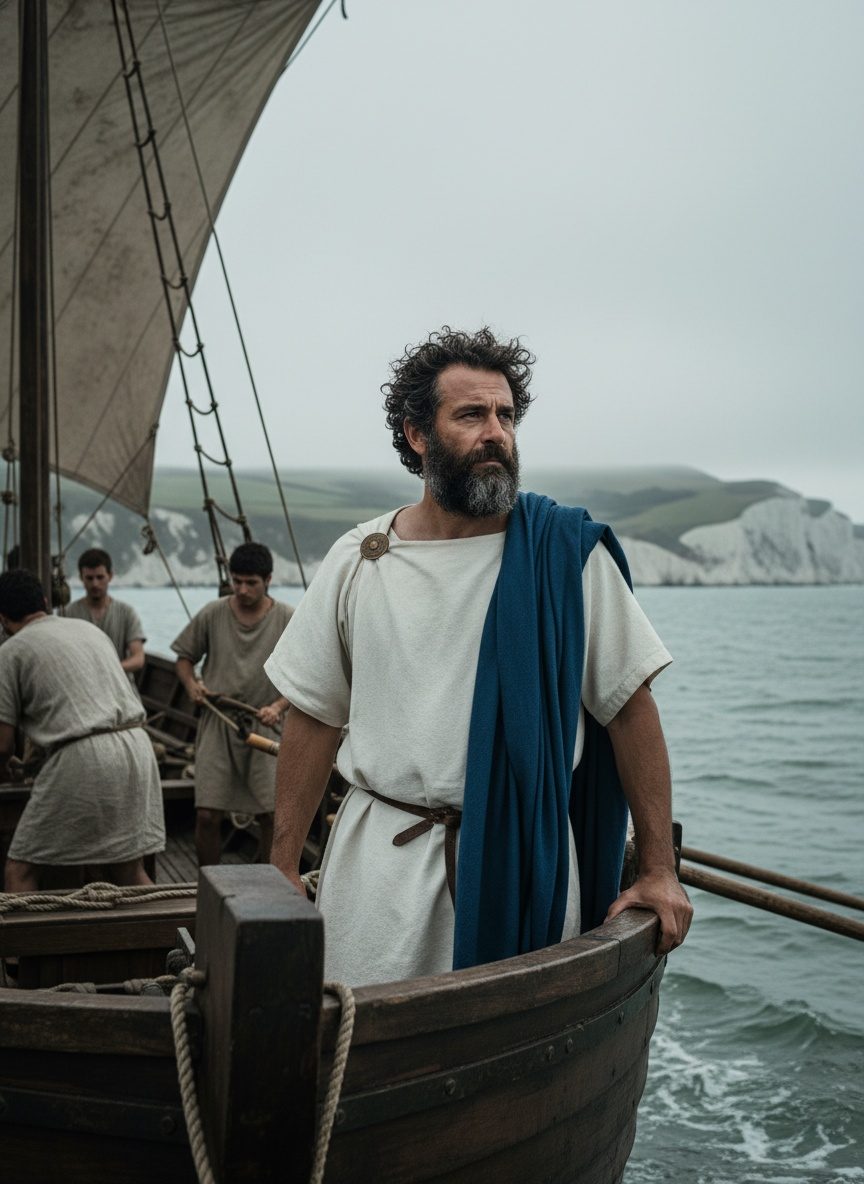
The sea foamed white against the hull of Pytheas' ship as he stood at the prow, eyes squinting into the misty haze. Suddenly, like something drawn from the tales of distant lands whispered in the agora, the silhouette of an unfamiliar coastline emerged—a tapestry of rolling green hills under a leaden sky. This was no ordinary expedition, no typical scene from his familiar Mediterranean world; it was the fringes of the Earth as the Greeks knew it. And Pytheas, a merchant-explorer hailing from the bustling port city of Massalia, was hurtling into the unknown.
Few of his contemporaries could boast such endeavors, venturing beyond the comfortable borders of the known world. Yet Pytheas, guided by curiosity and perhaps a hint of ambition, set his sights northward to regions uncharted by his fellow Greeks. His journey took him past the Pillars of Hercules, along the coast of Iberia, enduring tempests and unfamiliar waters before reaching the lands that the inhabitants called "Albion." Today, we know this place as Britain, but in 325 BC, it was as mystical as the stars he steered by.
Imagine the awe and confusion when Pytheas first set foot on this island. To his Greek sensibilities, shaped by sun-drenched landscapes and azure skies, Albion was a world apart. He observed its strange tides, unlike those of the tranquil Mediterranean. His meticulous records noted the peculiar ebb and flow of the sea, which seemed to breathe rhythmically, defying every mariner's expectation. These were the tides of the Atlantic, powerful enough to shape the island's very culture and economy—factors unseen by any Greek until that moment.
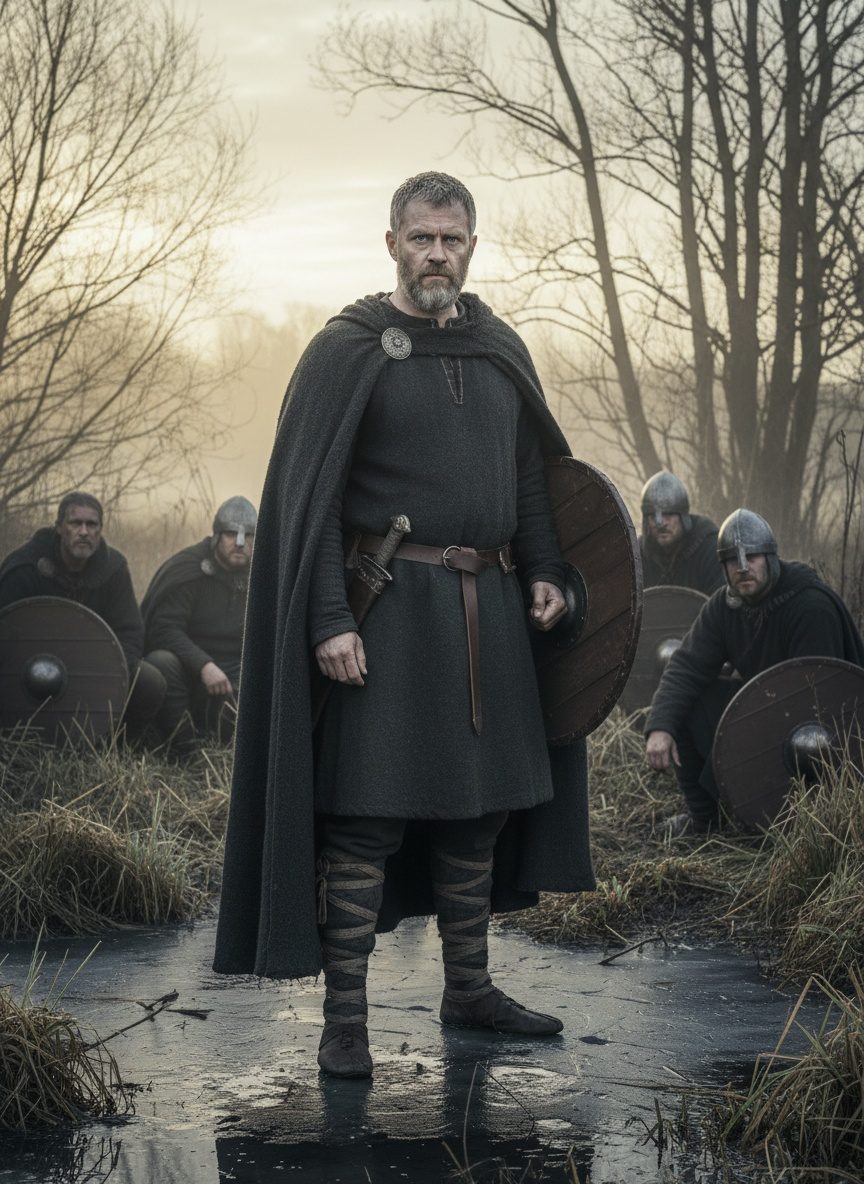
His inquisitive nature pushed him further inland, where he encountered the indigenous tribes. These people, untouched by Hellenic influence, lived in ways both alien and fascinating to Pytheas. They wore garments from animal pelts, their bodies painted with blue woad, appearing like spirits of the earth. Despite the strangeness, Pytheas recognized the shared human condition—their laughter, hospitality, and the simple beauty of survival on a windswept isle.
Pytheas' records of Albion were not just about geography but also about the crucial resources this distant land possessed. Chief among them was tin, an essential material for crafting bronze. The mines of Albion provided a crucial link in the trade networks that spanned the ancient world, and the prosperity of places like Massalia depended partly on this metal. Pytheas' documentation of these mines—rich seams carved into the landscape—underscored the strategic importance of this isolated territory, nestled at the world's fringes.
Without a doubt, Pytheas' voyage was daring, but his careful observations left an imprint perhaps deeper than the furrows of his ship's keel upon the sea. His accounts, though lost directly to the ravages of time, echo through the works of later historians. They drew from his pioneering descriptions, painting a picture of the northern reaches that fascinated and inspired Greek and Roman scholars alike.
As he traced his journey back toward familiar waters, laden with the stories and rich experience of his travels, Pytheas knew that he had encountered a realm that challenged the Greek imagination. The image of Albion became woven into the broader tapestry of Greek wisdom, a testament to human curiosity and the relentless pursuit to know what lies beyond the horizon—a trait as ancient as mankind itself.
In today's world, a world divided by vast oceans yet connected instantaneously by technology, Pytheas' journey reminds us of a time when the world held more shadows than light. His adventure urges us to consider not only the lands he uncovered but also the enduring human spirit that drives exploration. We navigate our modern seas differently, yet the compulsion to push boundaries and seek new frontiers remains constant, a flame that Pytheas helped kindle over two millennia ago. This ancient tale is less about geographical discovery and more about uncovering the profound depths of human potential.