The country was besieged by laughter. By the time the Norwegian government realised its mistake, it was already too late. The Monty Python film banned for blasphemy had become a symbol of rebellion.
A Comedy That's No Joke in 1979
It's 1979, a year marked by new beginnings and cultural clashes. In the midst of it all, an unparalleled controversy unfolds in Norway as it banned the film that British comedy troupe Monty Python had crafted with irreverent wit. Monty Python's Life of Brian, a satirical take on biblical epics, was immediately thrust into the international spotlight.
The Norwegian Film Censorship Board found the film's portrayal of its bumbling protagonist, born on the same day as Jesus and mistaken for the Messiah, grossly offensive and emblematic of blasphemous irreverence. Declaring it illegal, they attempted to shield the Norwegian public from what they perceived as an existential affront to Christian values.
Notably, the declaration did not silence the conversation or stifle curiosity. In fact, it had quite the opposite effect. A whisper of "banned in Norway" spread internationally and rapidly, marking the beginning of a cinematic pilgrimage like no other.
The Swedish Solution
Across the border, Sweden was quick to catch the opportunity delivered to them on a silver platter. Taking a decidedly different stance on freedom of expression, Swedish censors allowed the film to roll unimpeded onto theater screens. Swedish distributors, with a dash of clever marketing, adopted the slogan: "The film so funny it was banned in Norway."
For the Swedes, Norway’s ban became the linchpin of their promotional strategy, playing on age-old regional rivalries with a dose of biting humor. The campaign didn't just intrigue but ignited a wave of inquisitive excitement as Swedes embraced the movie—and so did their Norwegian neighbors, albeit from afar.
From Oslo to Göteborg: The Movie Exodus
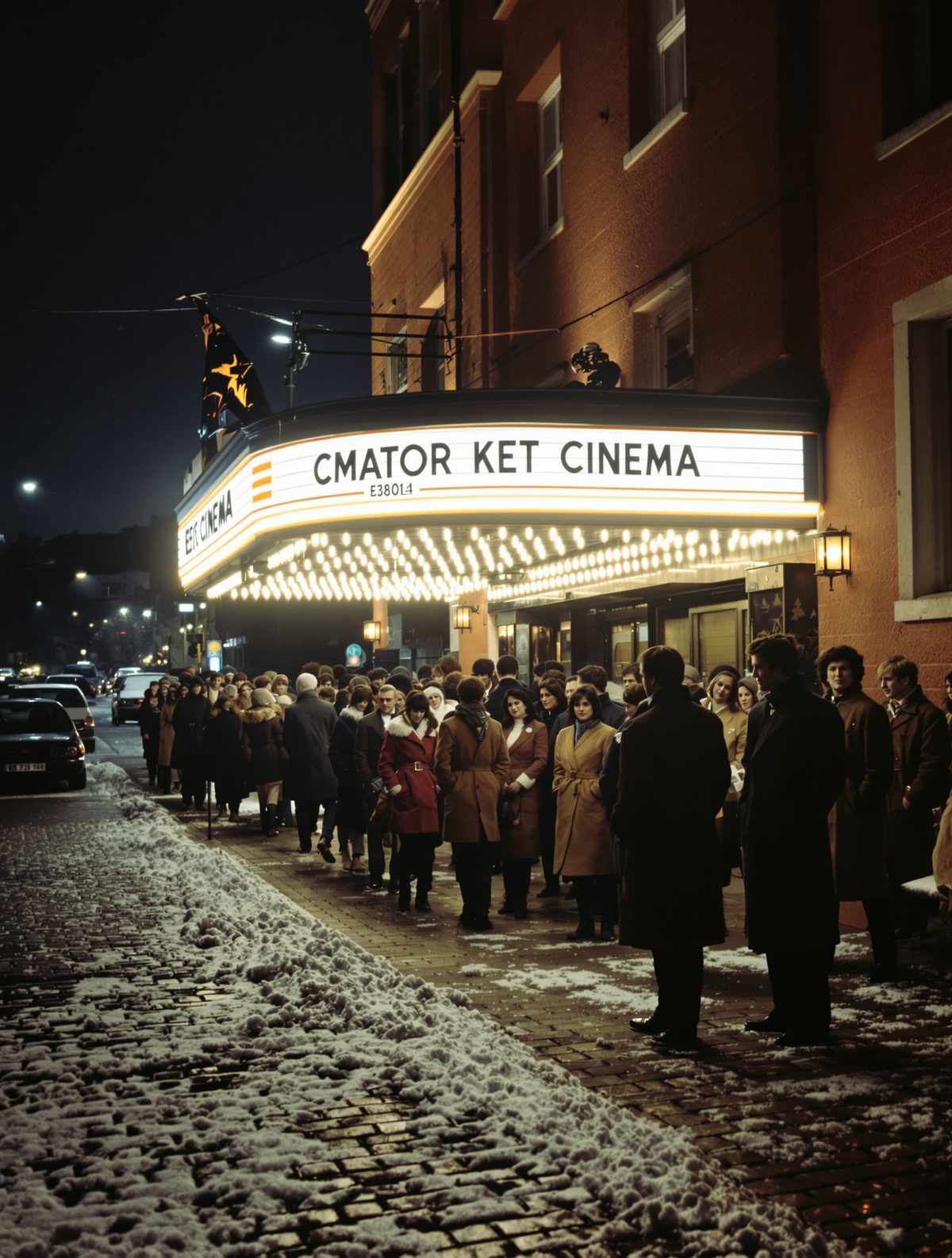
Stories soon emerged of Norwegian citizens employing both determination and ingenuity to bypass their country's prohibition. In small clusters and vast convoys, Norwegians began the trek across the border into Sweden. The major cities closest to the border, such as Göteborg, saw an influx where moviegoers mingled in lines composed largely of Norwegian license plates.
Some estimates suggest that thousands made this trip within weeks of the film’s release in Sweden. Norway’s unintended gift to Monty Python had transformed an ordinary satire into an irresistible cultural touchstone.
Whereas Norwegian cinema seats gathered dust, their Swedish counterparts brimmed with laughter and life as Scandinavians participated in this unprecedented cinematic defiance, an event that Nordic newspapers delightedly chronicled in colorful detail.
The Subversive Power of Comedy
Not only did the Norwegian authorities' attempt to suppress the film backfire spectacularly by driving attendance numbers in Sweden, but it also granted Life of Brian a legacy of rebelliousness. Audiences relished the irreverence of Monty Python—a comedy troupe not simply satisfied with laughs, but adept at peeling away societal taboos.
Ironically, the Norwegian Censorship Board's decision served to underscore the subversive power of comedy. It inadvertently highlighted how humor, even when controversial, could be a catalyst for dialogue and change, reaching across borders and cultural perspectives.
Banned Spots and Free Expression
The aftermath of Norway’s ban saw a ripple across Europe, where discussions on censorship, religious sensitivity, and freedom of expression flared. Decades later, one might reflect on this moment as an early discourse in the tug-of-war between tradition and modernity, belief and freedom, comedy and control.
Eventually, Norway lifted the ban in 1980, reducing the age limit for viewership to meet its European counterparts. Still, the enduring narrative left an impression—an example at the crossroads of governance, belief, and the inherent human desire to challenge boundaries.
Lessons for Today
Reflecting on this peculiar chapter of cinema history invites wider contemplation on the dynamics of cultural exchange and the impact of censorship. How far should a society or its governing bodies go to shelter or expose its populace to potentially offensive ideas? What unintended consequences arise when curtailing such expressions?
Today, questions of censorship remain vital amid modern debates over freedom of speech, satire, and political correctness. The saga of Life of Brian—a journey through a film that defied borders, provoked thought, and transcended the simple act of viewing—serves as a timeless reminder of comedy's ability to ask serious, illuminating questions while providing a shared laugh.