He was buried for over three millennia, yet Kha's personal effects were found in pristine condition. Expecting to find disorder, archaeologists opened his tomb to perfectly arranged possessions.
The Master Architect of Deir el-Medina
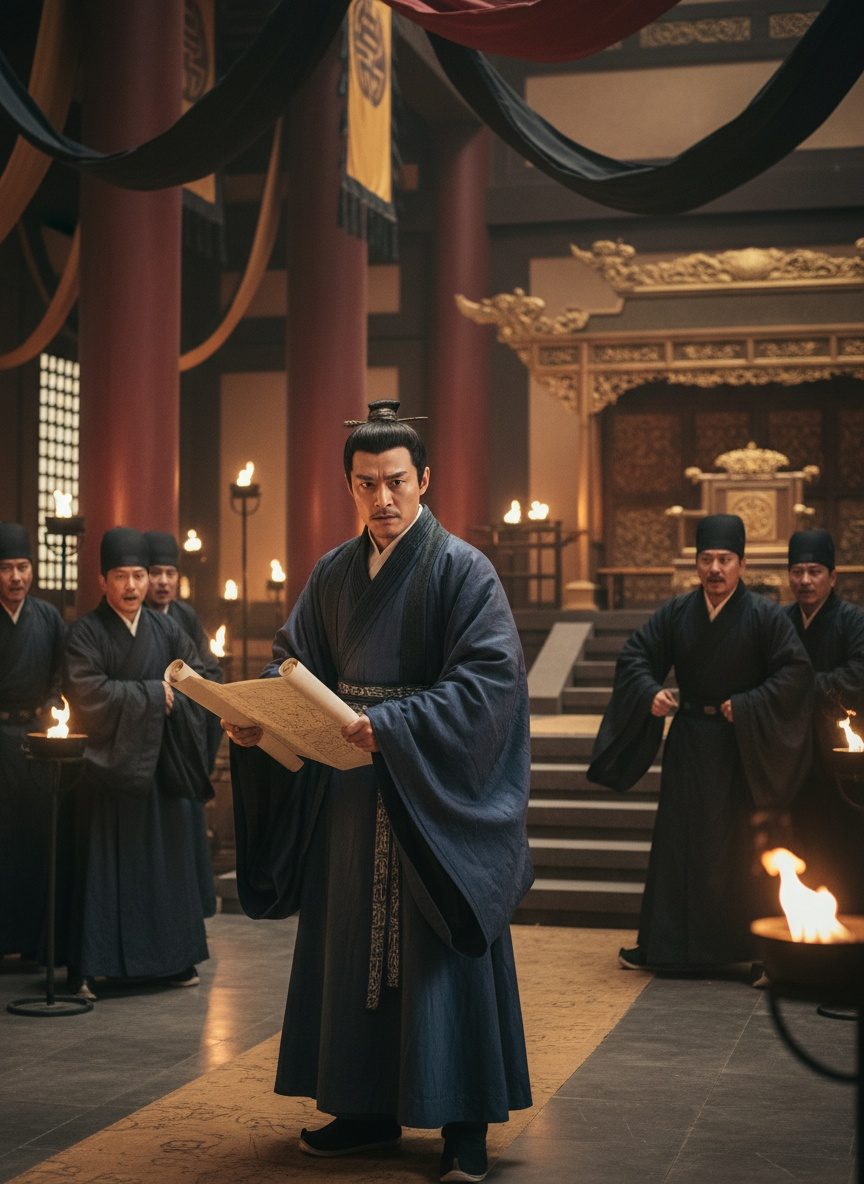
Nestled in the western deserts of Luxor lies the ancient village of Deir el-Medina, home to one of Egypt's most fascinating communities: the artisans who constructed the tombs of pharaohs in the Valley of the Kings. Amongst this skilled group was Kha, the master architect accountable not just for supervising some of the most significant projects of his time but also for leaving behind a story that transcended the centuries. Kha didn't just oversee monumental constructions; he helped blueprint the final earthly abodes of Egypt's divine rulers.
Throughout his career, Kha's eye for detail and commitment to perfection must have been unparalleled, shaping the sacred landscapes that are marvelled at even today. But his legacy isn't limited to stone and plaster; it was unexpectedly preserved in the intimate confines of his personal tomb, discovered in 1906, which went untouched for over 3,300 years.
A Domestic World Preserved in Time
While Kha's professional life involved designing elaborate resting places for others, his own 10-meter deep tomb was nothing short of a time capsule. When archaeologists cracked open the sealed entrance, they found not only the world of an esteemed builder but the private universe he shared with his wife, Merit. The most astonishing discovery was how their life had been frozen, like an ancient tableau of daily elegance that had abruptly halted and simply waited to be rediscovered.
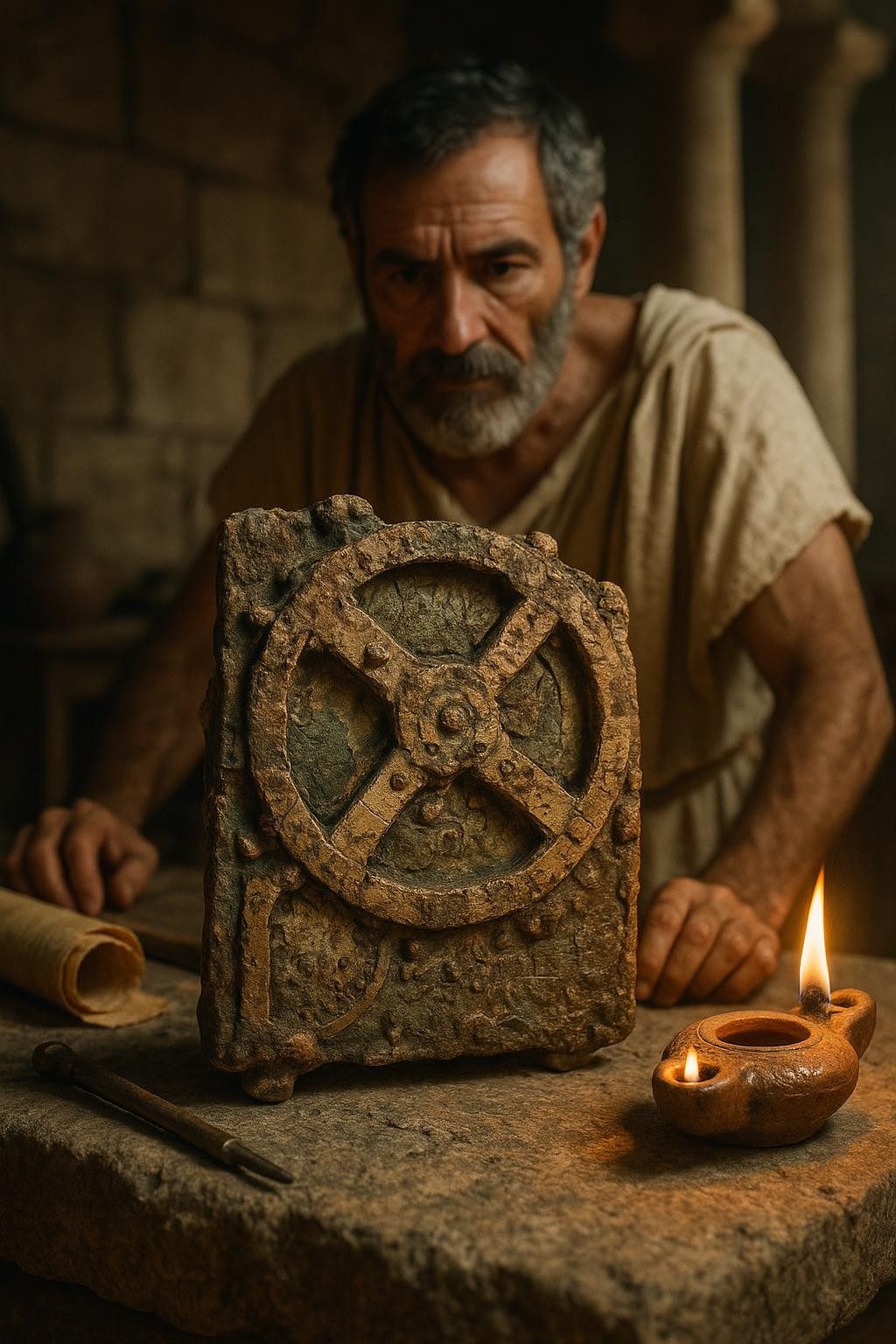
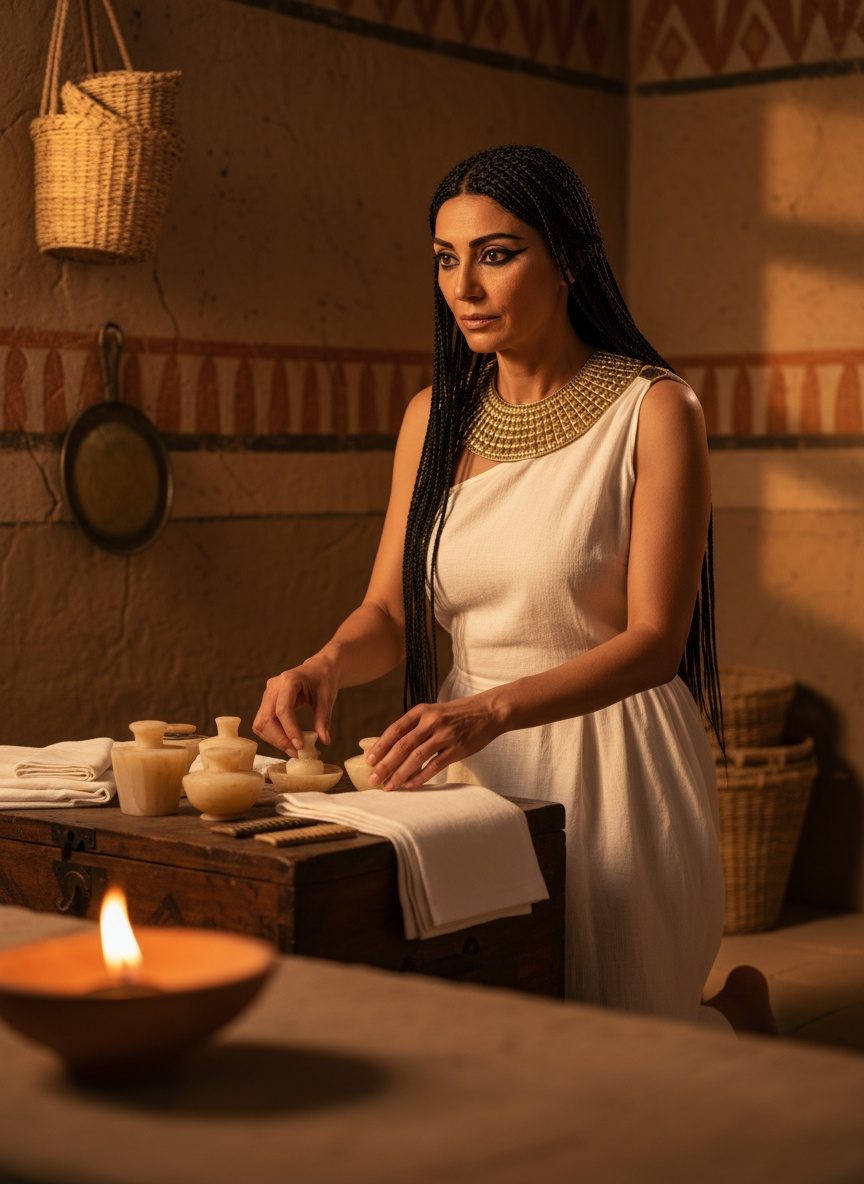
Inside, the treasures of everyday life lay untouched. The articles included Kha's craftsmanship tools neatly assembled as if prepared for use the next day, and Merit’s personal trivials, such as her wooden combs, wigs, and unmistakably, her cosmetics. This trove of everyday luxuries paints more than a picture of domestic life; it breathes life back into a couple whose presence in the historical narrative speaks volumes about gender roles and domestic partnerships in an age long past.
Merit and Her Home
While historical accounts often focus solely on the achievements of men, Merit stands beside Kha, not just in their final resting place but in the shared essence of their life's journey. She managed their home while Kha ventured out to sculpt eternity on behalf of kings. Her commitment was etched into the objects she left behind, signalling the unheralded role she played in maintaining the domestic sanctuary that may have propelled Kha’s successes.
Remarkably, Merit's belongings reveal a sophisticated, self-assured woman who enjoyed fineries that spoke of status and identity. Her collection of perfumes, jewelry, and even the remnants of kohl that once lined her eyes waited there as if she meant to return to them. Each of these artifacts tells a story about her influence and presence, beyond the ordinary trappings of wealth, leaning towards personal pride and the tangible tokens of affection shared with Kha.
Why It Still Matters
The hidden chronicles of Kha and Merit offer more than the allure of ancient Egypt's bygone grandeur. They illuminate the nuanced lives of its people, the conjugal partnerships that quietly propelled history’s larger arcs. The untouched tombscape serves as a vivid, telling reminder of human experiences, forever intricately bound across time. By examining this household of antiquity, we appreciate a narrative that has seldom been told in classrooms — one that champions the subtleties of relationships and the cultural milieu of an era often overshadowed by its monumental achievements.
Their story challenges our perceptions of ancient life. It's a humbling testament to resilience, love, and the universality of human connections, transcending millennia. As history uncovers these silent witnesses, it reminds us that beneath the layers of archaeology lies the pulse of everyday lives speaking to our shared human fragility and ambition.