Hypatia of Alexandria was the most brilliant scholar in the city. Many don't realize she faced a mob with courage and calm.
Alexandria in 415 AD was a city suspended between worlds. By the fourth century, it had long been the beacon of knowledge inherited from its Hellenistic founders. Its famed Library, once the epicenter of ancient scholarship, had instilled the city with an enduring reputation as a center of intellectual brilliance, drawing seekers of knowledge from every corner of the known world. Yet, within the same marble-plated streets and sunlit forums, a transformation was stirring. The rise of Christian influence in the Roman Empire marked the dissolution of older beliefs, creating rifts that would soon echo into dramatic confrontations.
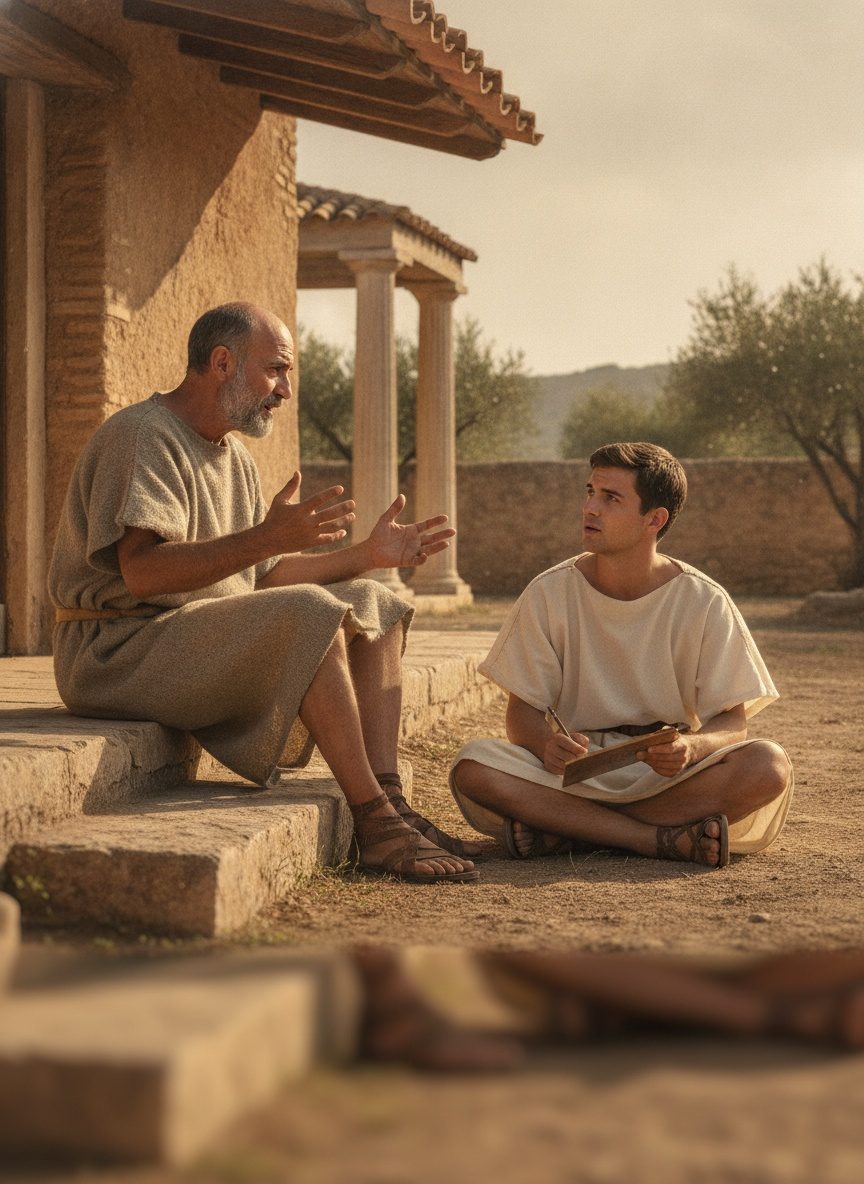
At the heart of this vibrant, volatile city stood Hypatia, a woman whose luminous intellect rivaled any of her peers. She was not simply a teacher of mathematics, astronomy, and philosophy; she personified the ideals of inquiry and reasoned thought. In an age when women rarely penetrated the public sphere of scholarship, Hypatia not only participated but excelled. Her lectures, held in the open air, reflected an ever-curious mind dedicated to unraveling the mysteries of celestial mechanics, the abstractions of numbers, and the philosophies of Plato and Aristotle. Students, drawn by her clarity, gathered eagerly for her insights.
But this period was marked by more than scholarly pursuit. It was a time when lines between faith and philosophy blurred into contention. The same streets that thronged with students and philosophers also played host to teeming crowds beset by ideological winds. In 415 AD, these winds converged into a storm aimed squarely at Hypatia. She had become unwittingly embroiled in the political tensions of her time. Alexandria’s prefect, Orestes, a staunch supporter of maintaining pagan traditions, found himself in conflict with Cyril, the Bishop of Alexandria, who sought to concentrate Christian power over the city. Hypatia, through friendship with Orestes and her commitment to reason, was cast into the narrative as a symbol of the old world confronting the new.
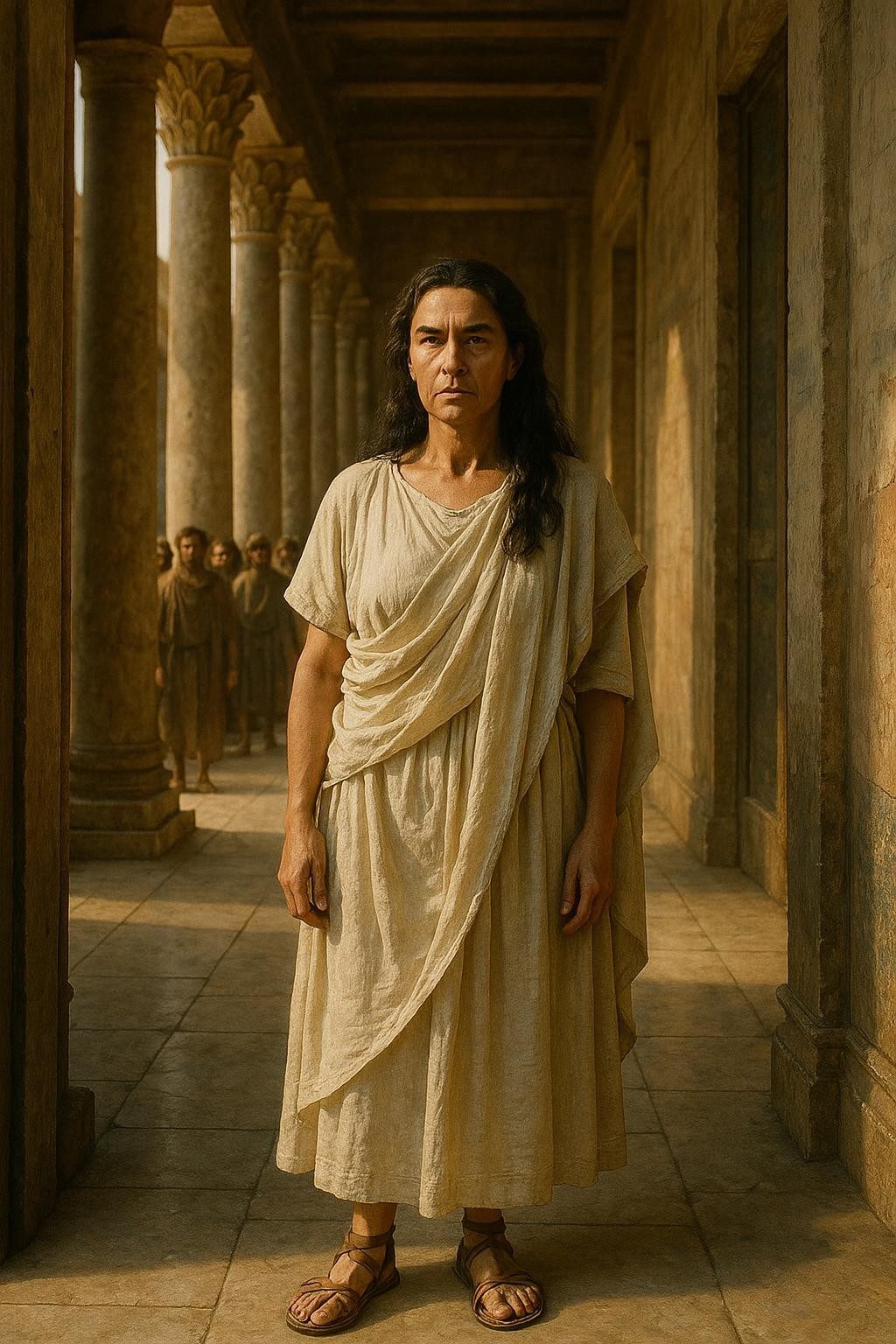
The mob that ultimately descended upon her came cloaked not only in religious fervor but also in political vendetta. They blamed Hypatia for souring relations between Orestes and Cyril, though her true role was one not of political maneuvering but of standing firm as a proponent of intellectual freedom. As they approached, reports suggest she did not flee in terror but met them with an air that could be likened to philosophical resolve. She walked to them, embodying the principles she lived—courageous inquiry, unyielding in the pursuit of truth, even in the face of mortal danger.
The accounts of her death are a brutal counterpoint to the life she espoused—dragged from her chariot and brought into a church, which under different circumstances might have been a place of sanctuary. There, she was stripped of her clothing and her skin scraped with ostraka—sharp fragments of pottery, more suited for inscriptions and records than for an appalling purpose against flesh. The stark violence of her end sharply juxtaposed against the serenity of her scholarship. It became, in the cold calculus of history, symbolic of a greater intellectual eclipse.
Yet, the actions of the mob and the machinations behind them ultimately failed to silence the legacy of Hypatia. In seeking to erase her, they immortalized her. Hypatia became a martyr to reason, her life and untimely death inscribing her name indelibly on the annals of history. She was the final accolade to the storied era of ancient Greek philosophy in Alexandria; the final scholar of a kind that would not re-emerge for centuries. As the city darkened into the broader Middle Ages, the bright intellect she epitomized flickered out—a mournful loss to the world.
Hypatia’s story matters because it reminds us of the perennial conflict between ignorance and enlightenment, fear and understanding. In a city at the threshold of change, she remained unflinchingly committed to the pursuit of knowledge, teaching, and truth. Her demise prompts enduring reflection on the nature of progress and the fragility of human achievements. Even today, in our own era marked by divisiveness and the clash between knowledge and belief, Hypatia’s courage before the mob serves as a call to defend the light of reason. She stood, she did not run, and in that resoluteness, she continues to teach. While Alexandria has crumbled into layers of time's sediment, her story teaches empathy for the past and vigilance for the future.